
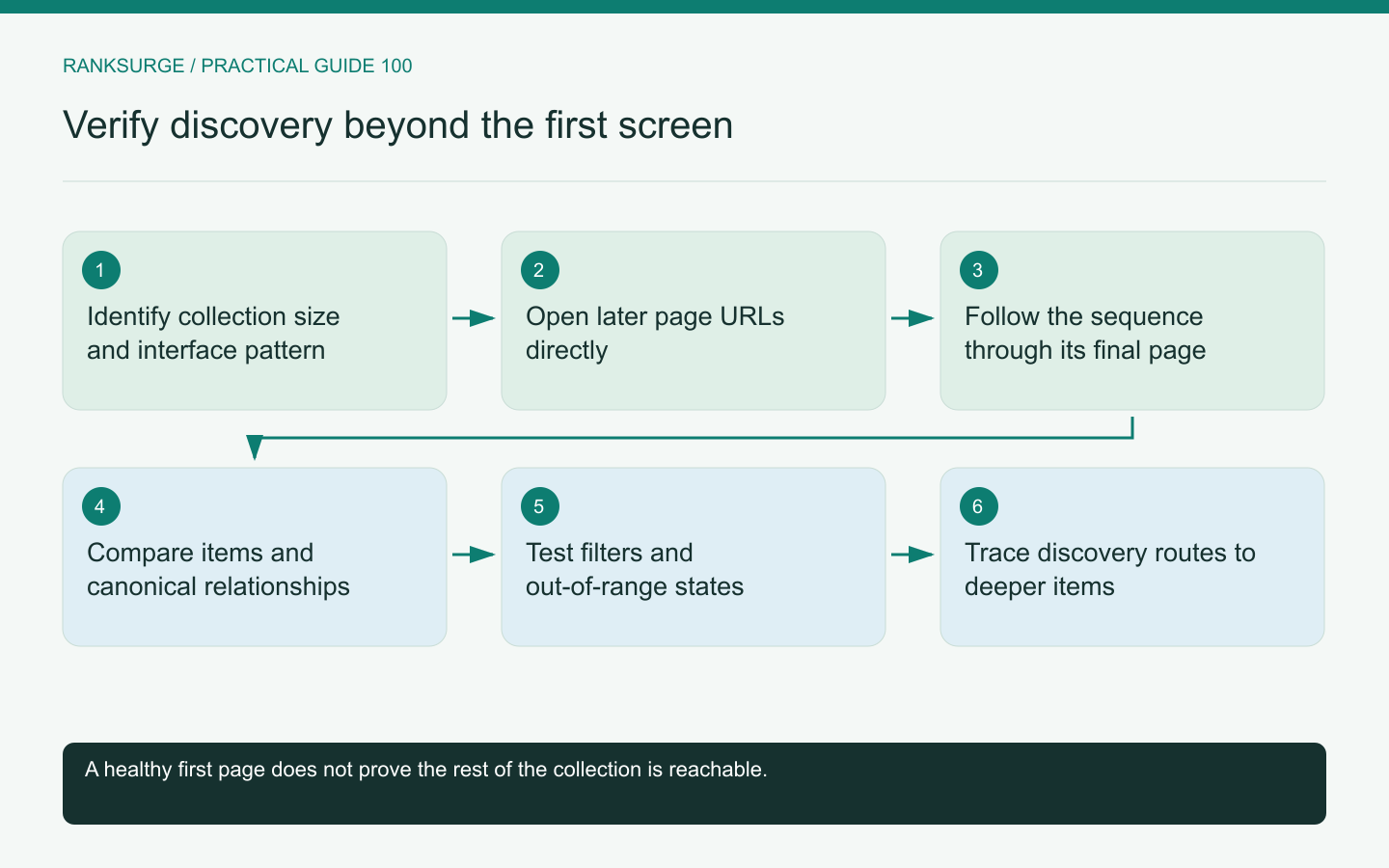
Pagination SEO Audits: Verify Discovery Across the Whole Collection
Audit pagination by checking whether later collection items remain discoverable, deep links work and each page’s URL and canonical behavior match its content.
Read post
Resources
Audit pagination by checking whether later collection items remain discoverable, deep links work and each page’s URL and canonical behavior match its content.
Read post
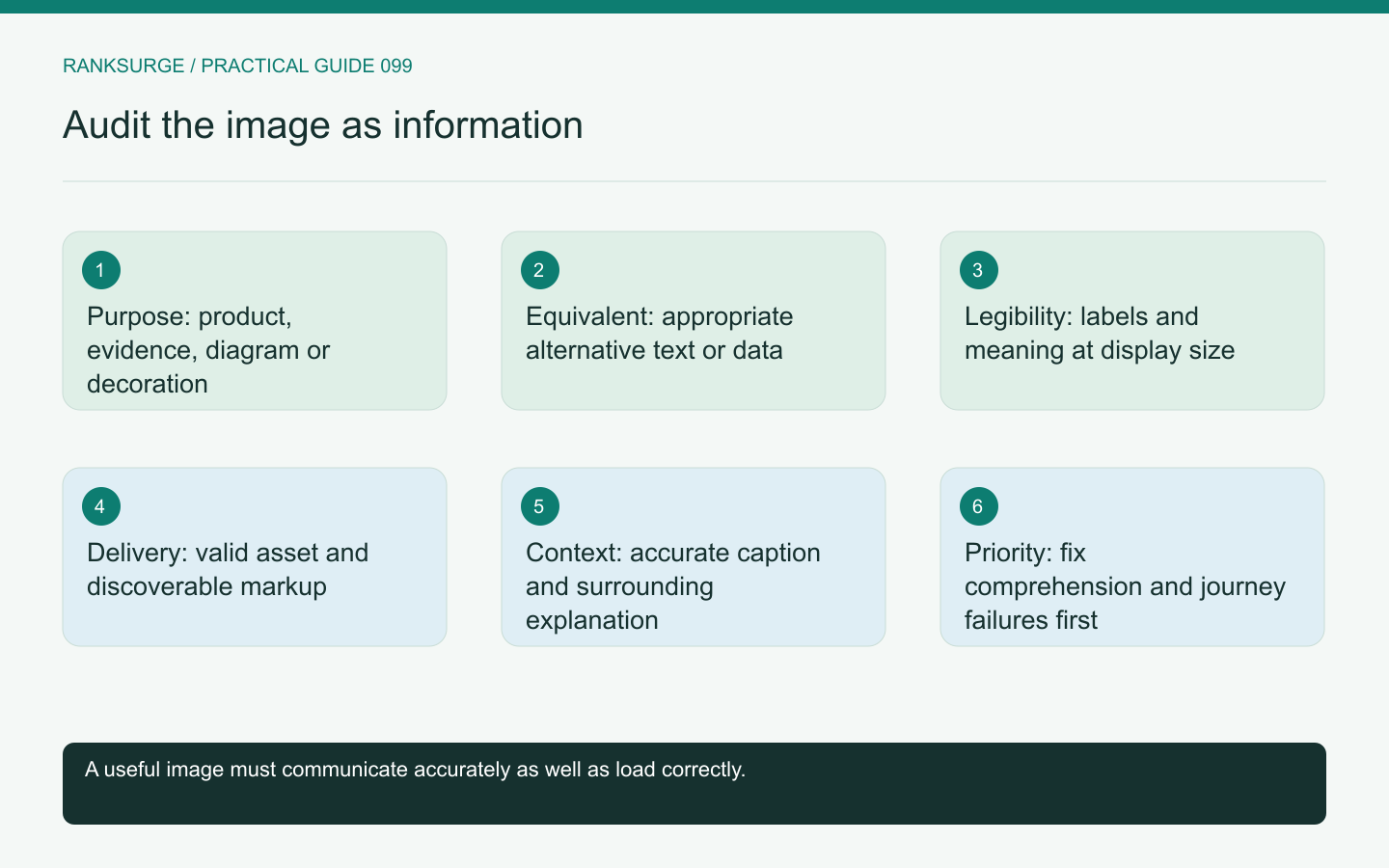
Audit images by their purpose, alternative text, discoverability and actual rendered quality, rather than treating filename changes as the main SEO improvement.
Read post
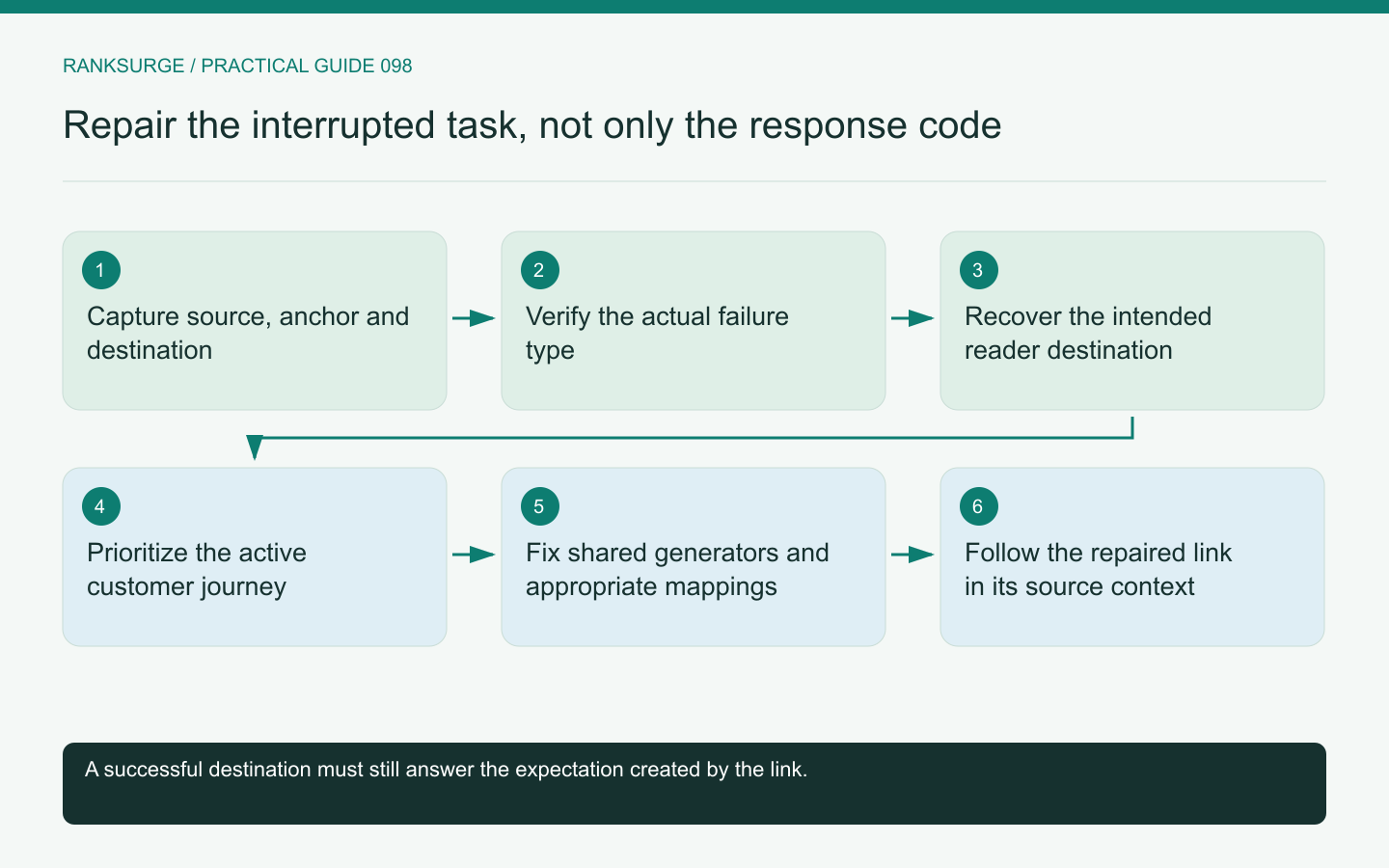
Prioritize broken internal links by the journeys they interrupt, verify the intended destination and correct the source that keeps generating the broken address.
Read post
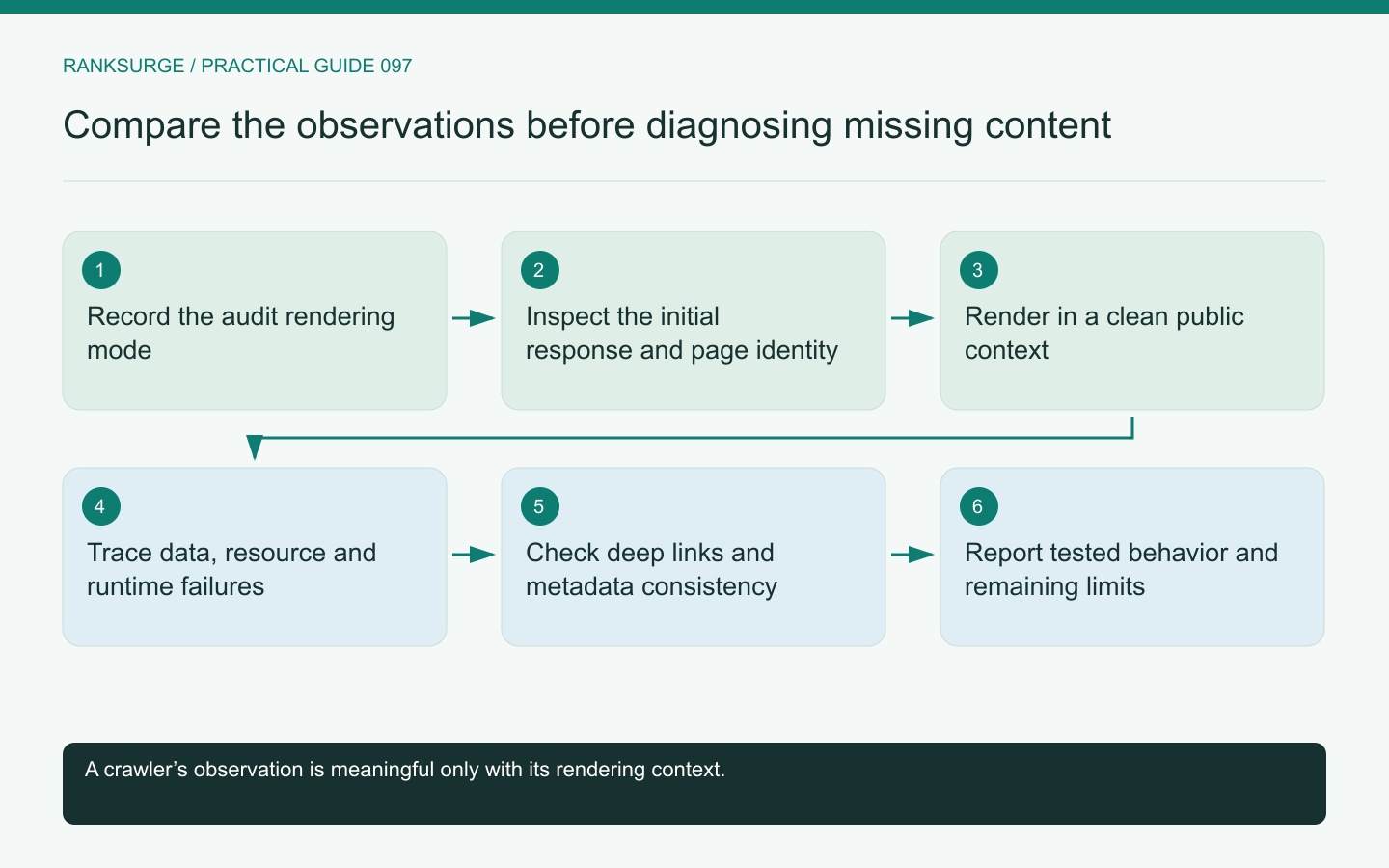
Interpret JavaScript audit results by comparing initial HTML, rendered output and crawler configuration before declaring content or links missing from the website.
Read post
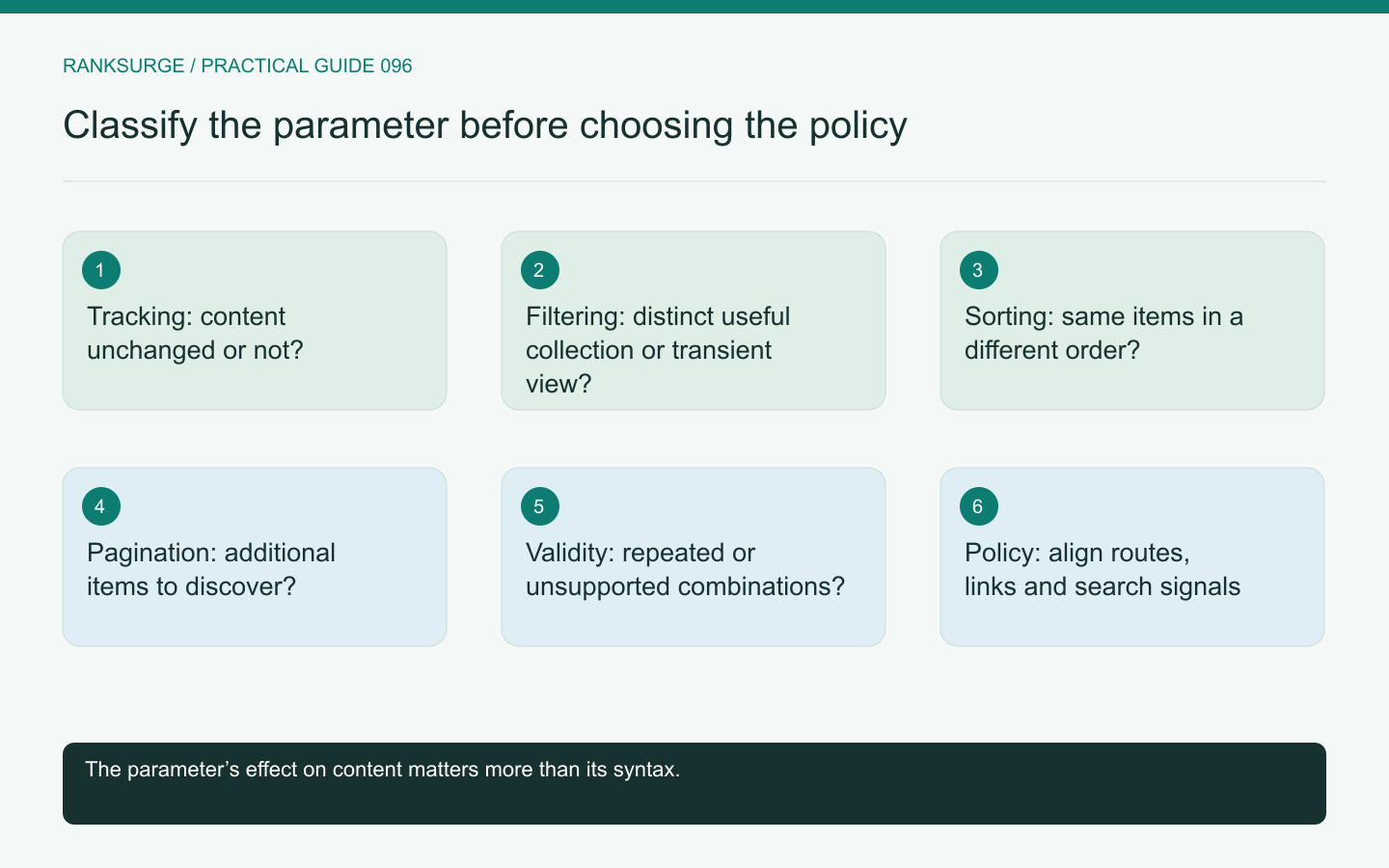
Classify parameter URLs by their effect on content and customer tasks before choosing canonical, crawl or navigation policies for each variant family.
Read post
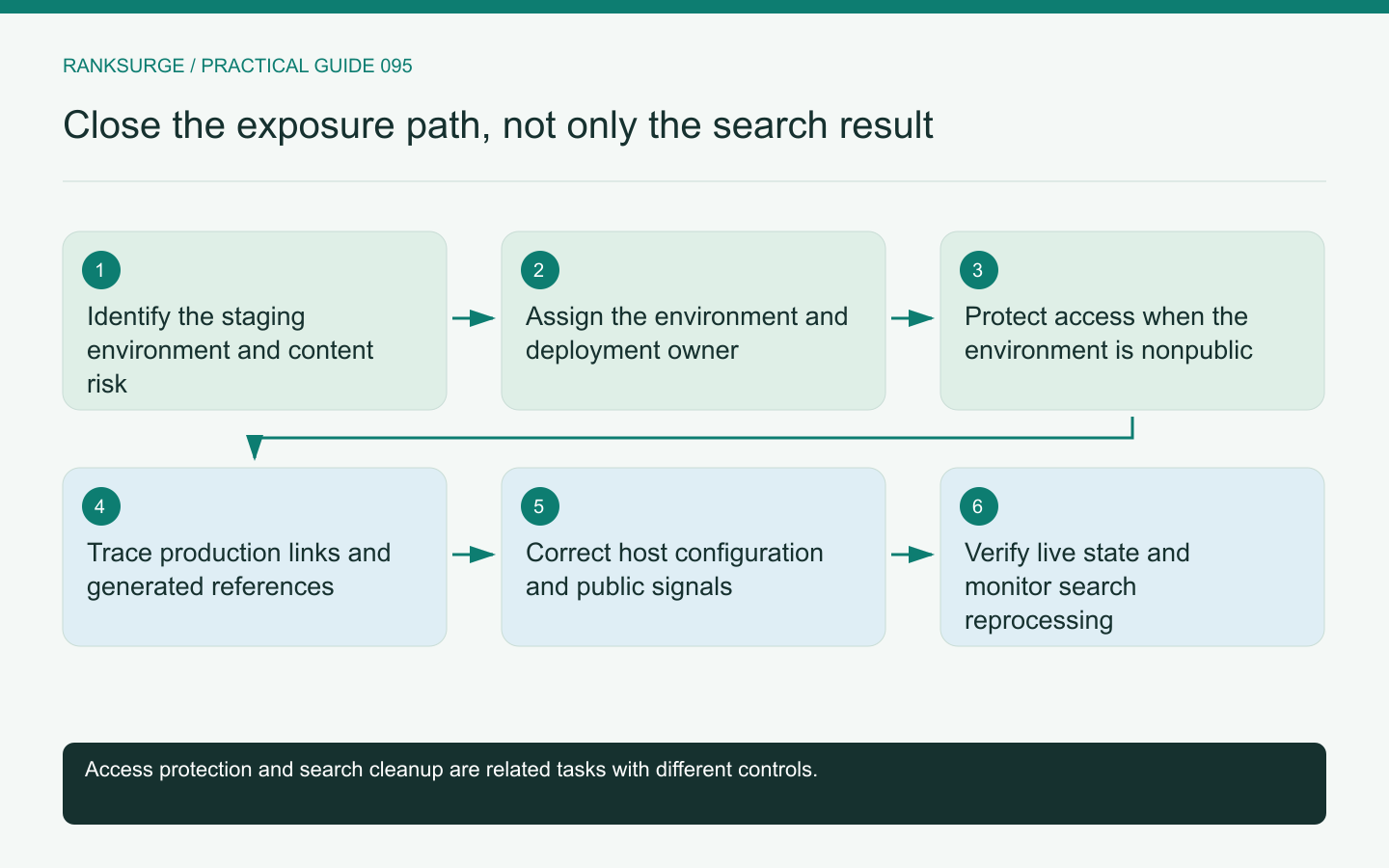
Investigate staging URLs appearing in search by tracing how they became public, protecting nonpublic environments and removing the production references that exposed them.
Read post
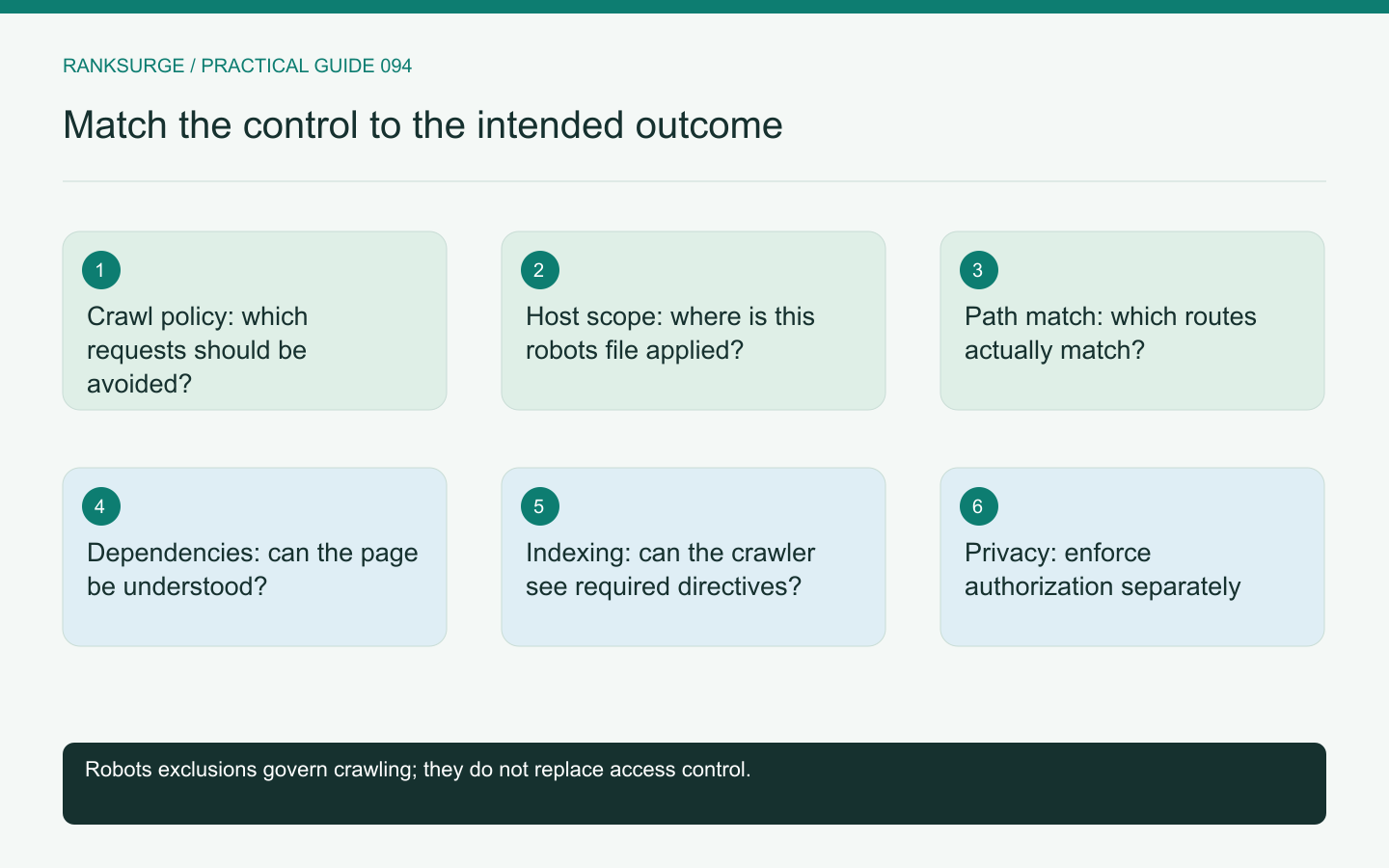
Audit robots exclusions by identifying the blocked resources and intended crawl policy, while keeping access control and search-index removal as separate concerns.
Read post
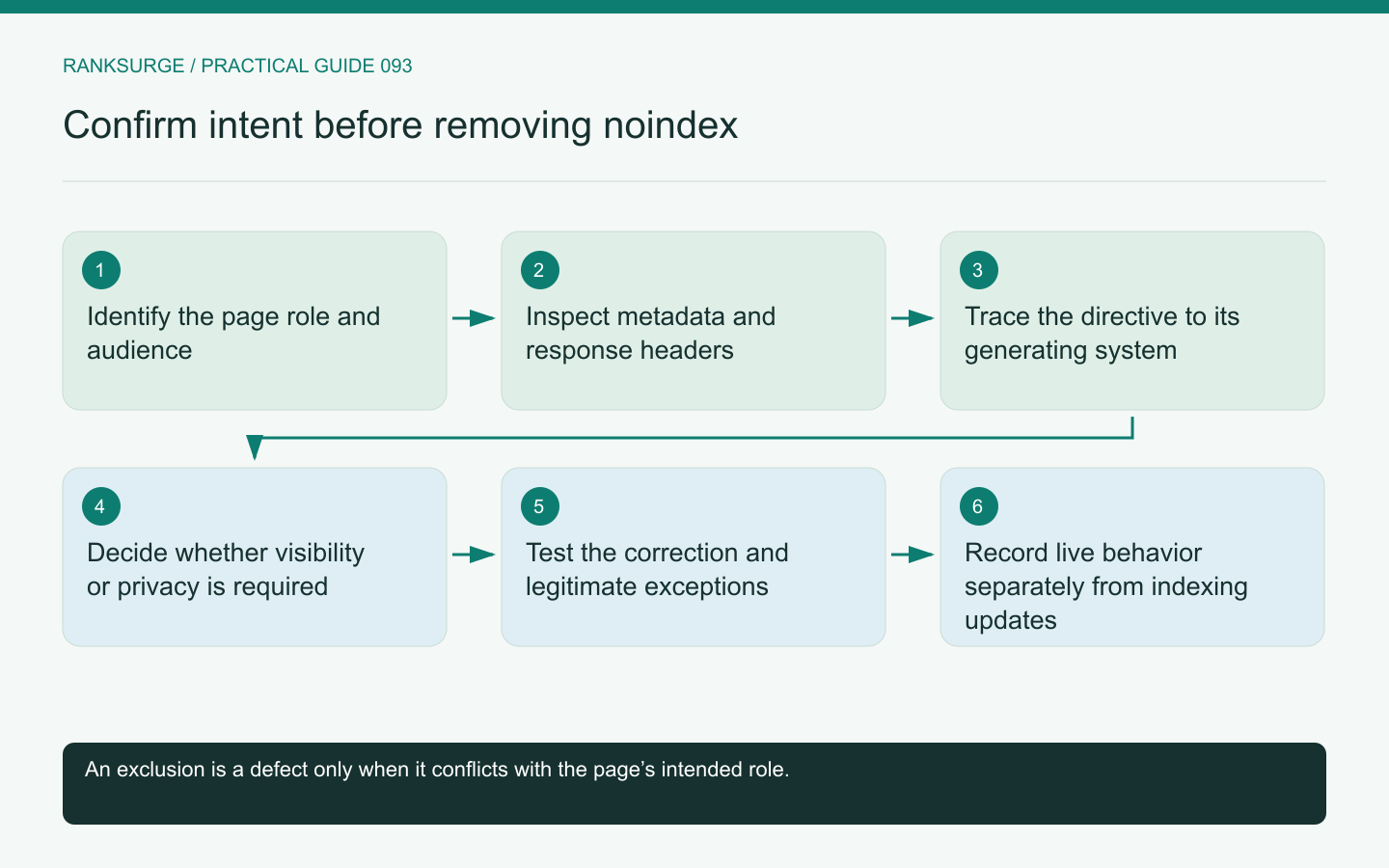
Investigate noindex findings by confirming the page’s intended audience and the source of the directive before removing a deliberate exclusion or fixing an accidental one.
Read post
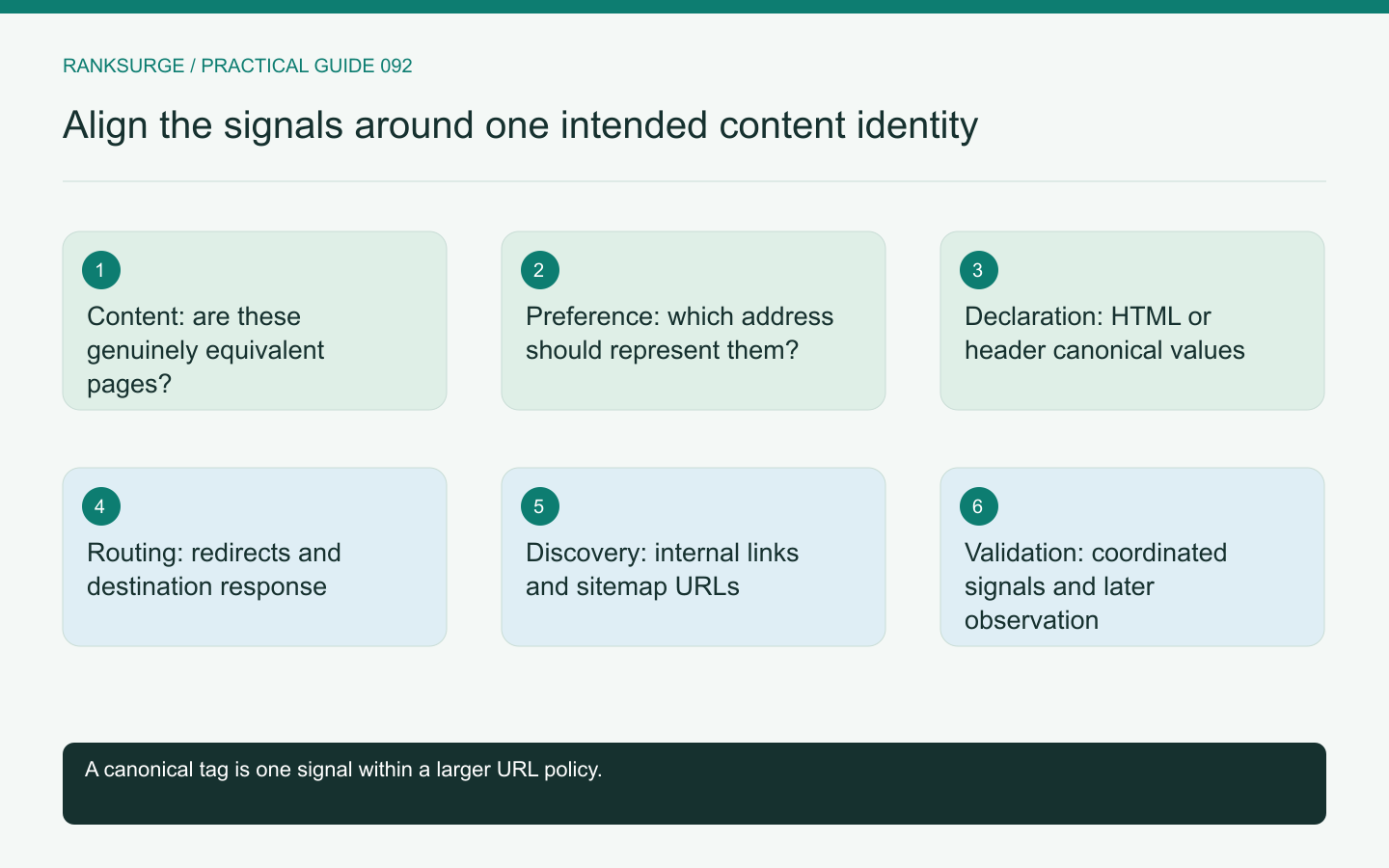
Investigate canonical conflicts by comparing page content, declared canonicals, redirects, internal links and sitemap references before changing one signal in isolation.
Read post
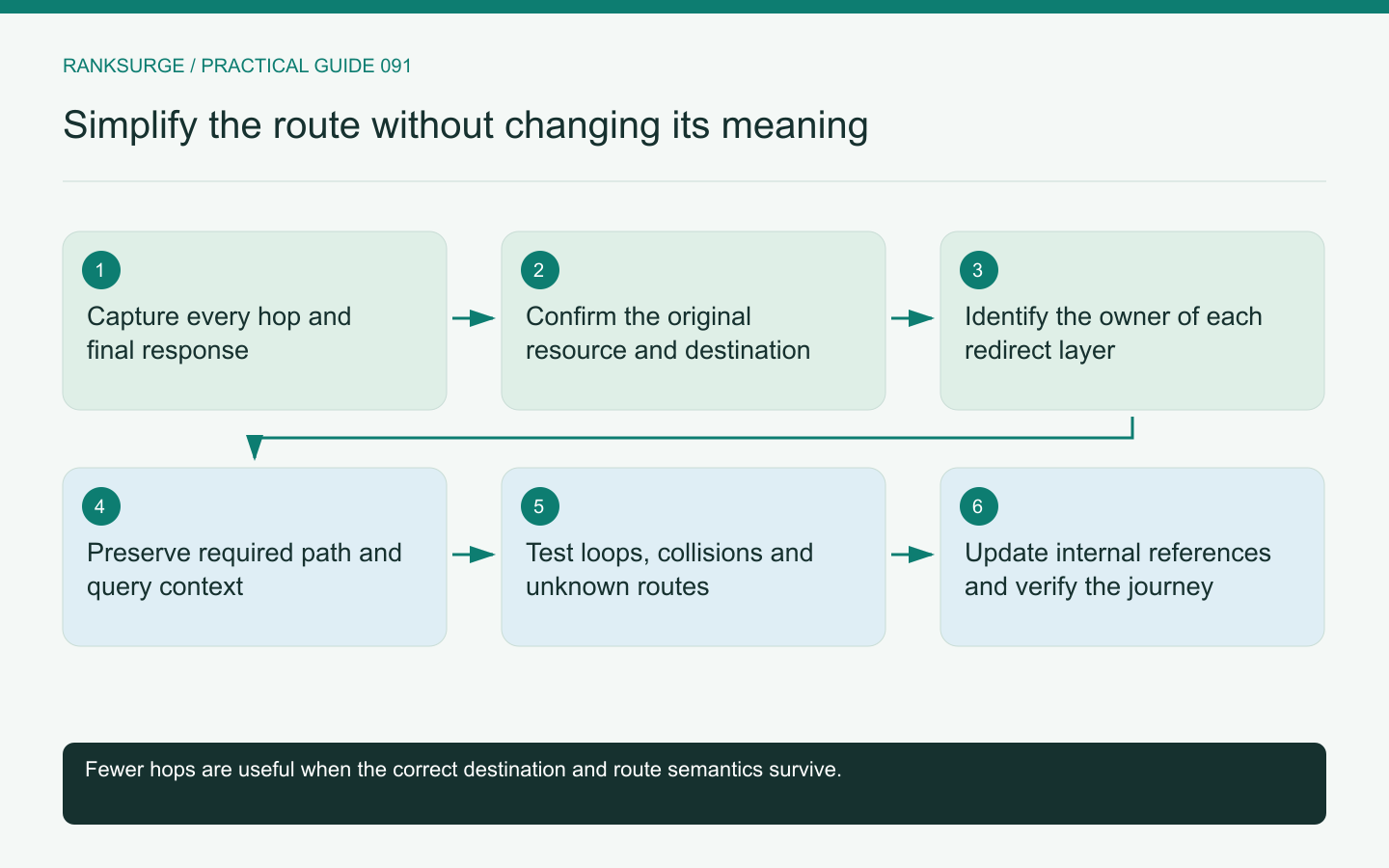
Audit redirect chains by preserving the intended page destination, tracing rule ownership and testing representative routes before simplifying intermediate hops.
Read post
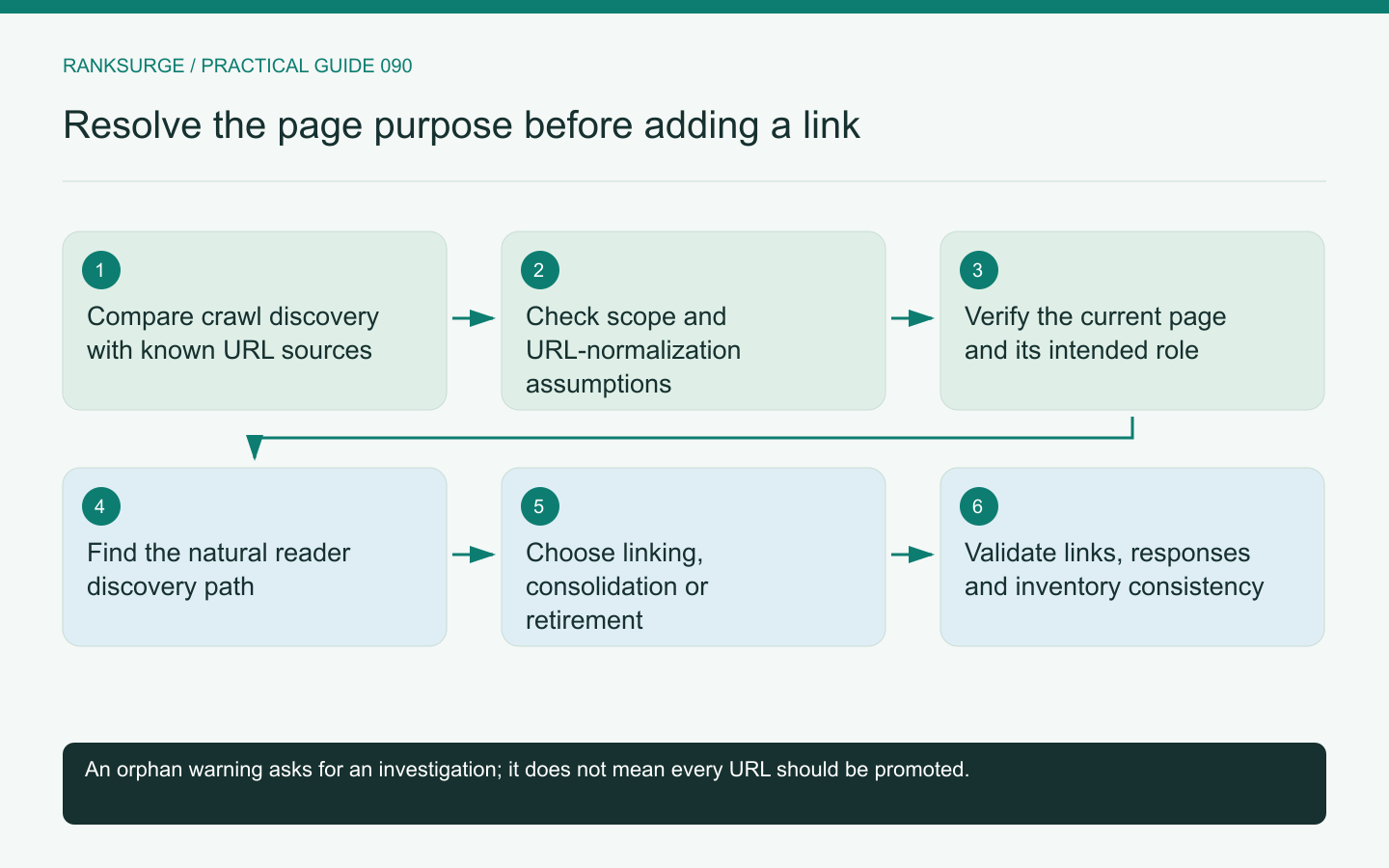
Investigate orphan pages by comparing discovered links with sitemaps and other known URL sources, then decide whether each page should be linked, consolidated or retired.
Read post
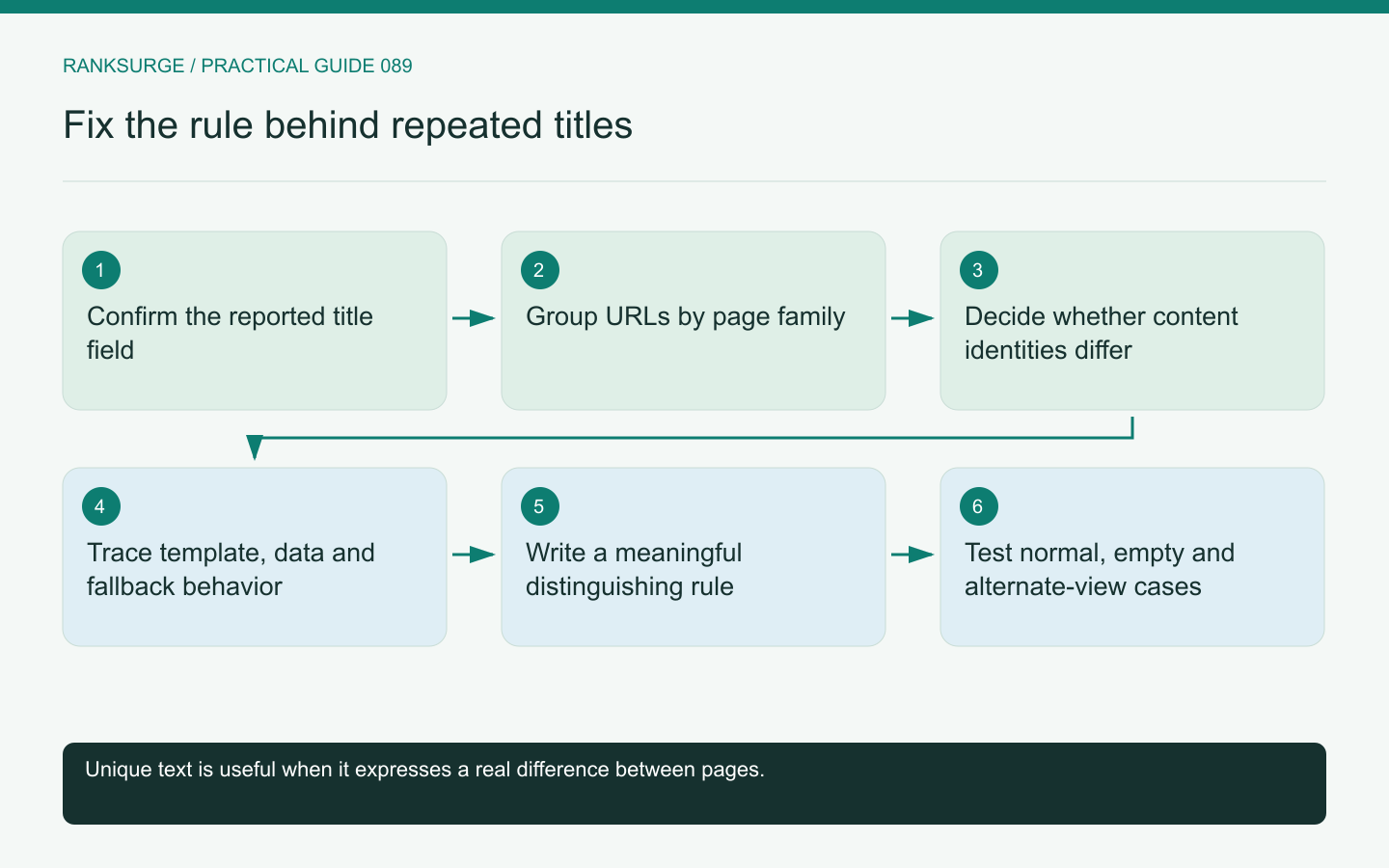
Investigate duplicate page titles by template and content identity, then fix the underlying title rule instead of manually editing every audit row.
Read post
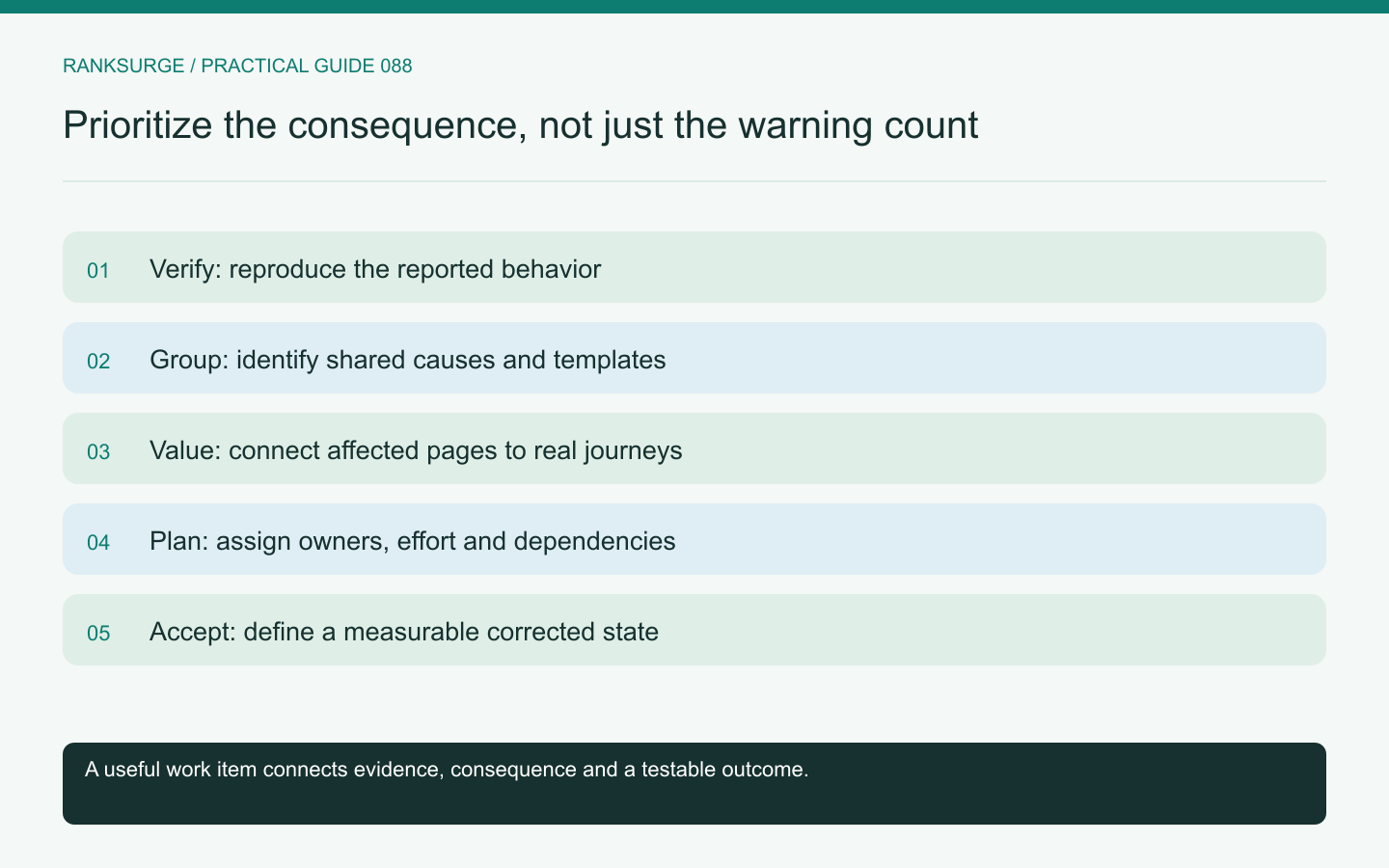
Prioritize site-audit findings by affected journeys, page importance, confirmed evidence and implementation scope rather than sorting only by tool severity.
Read post
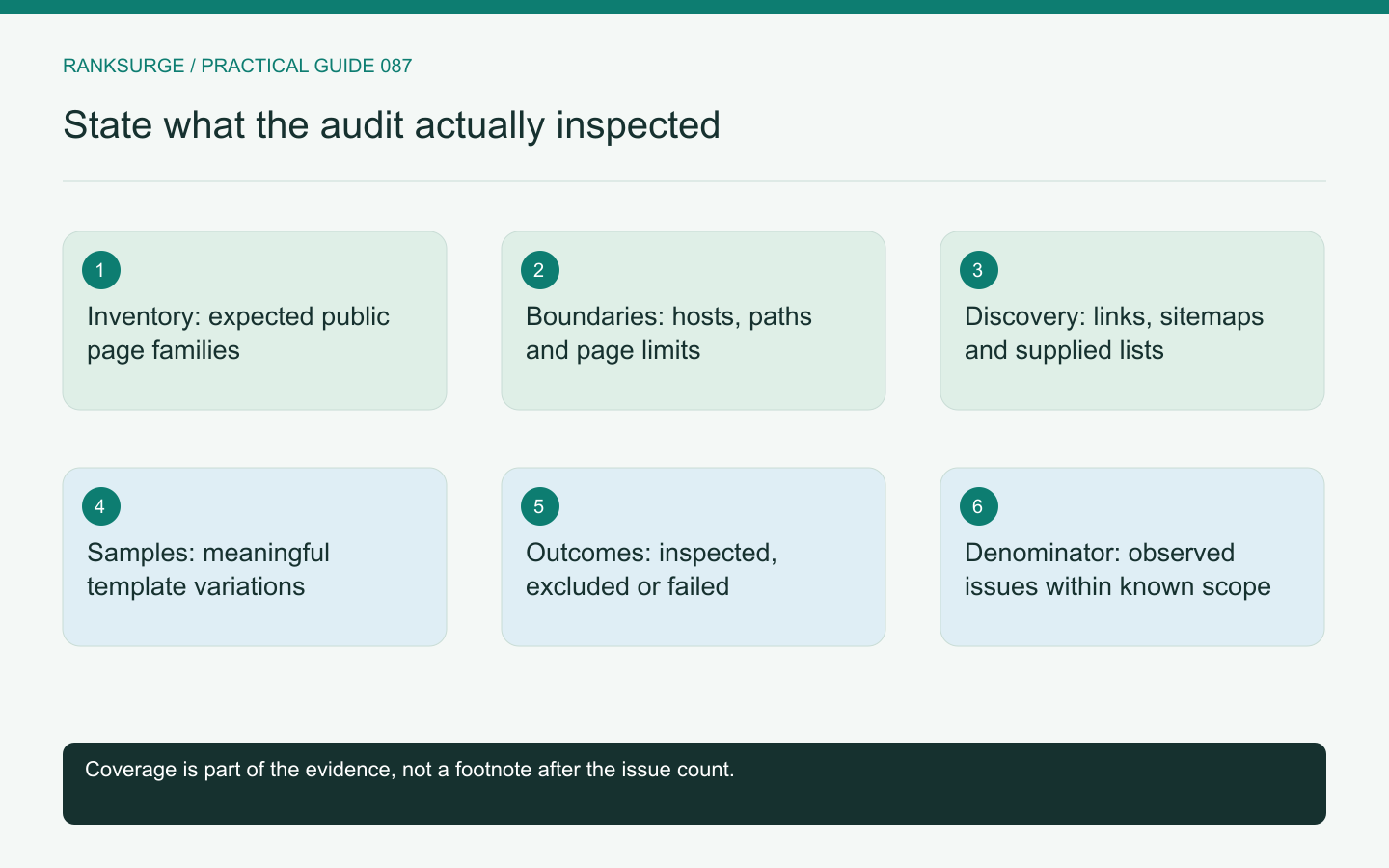
Explain site-audit coverage by page family, discovery route and crawl configuration so an issue count does not imply that the whole website was inspected.
Read post
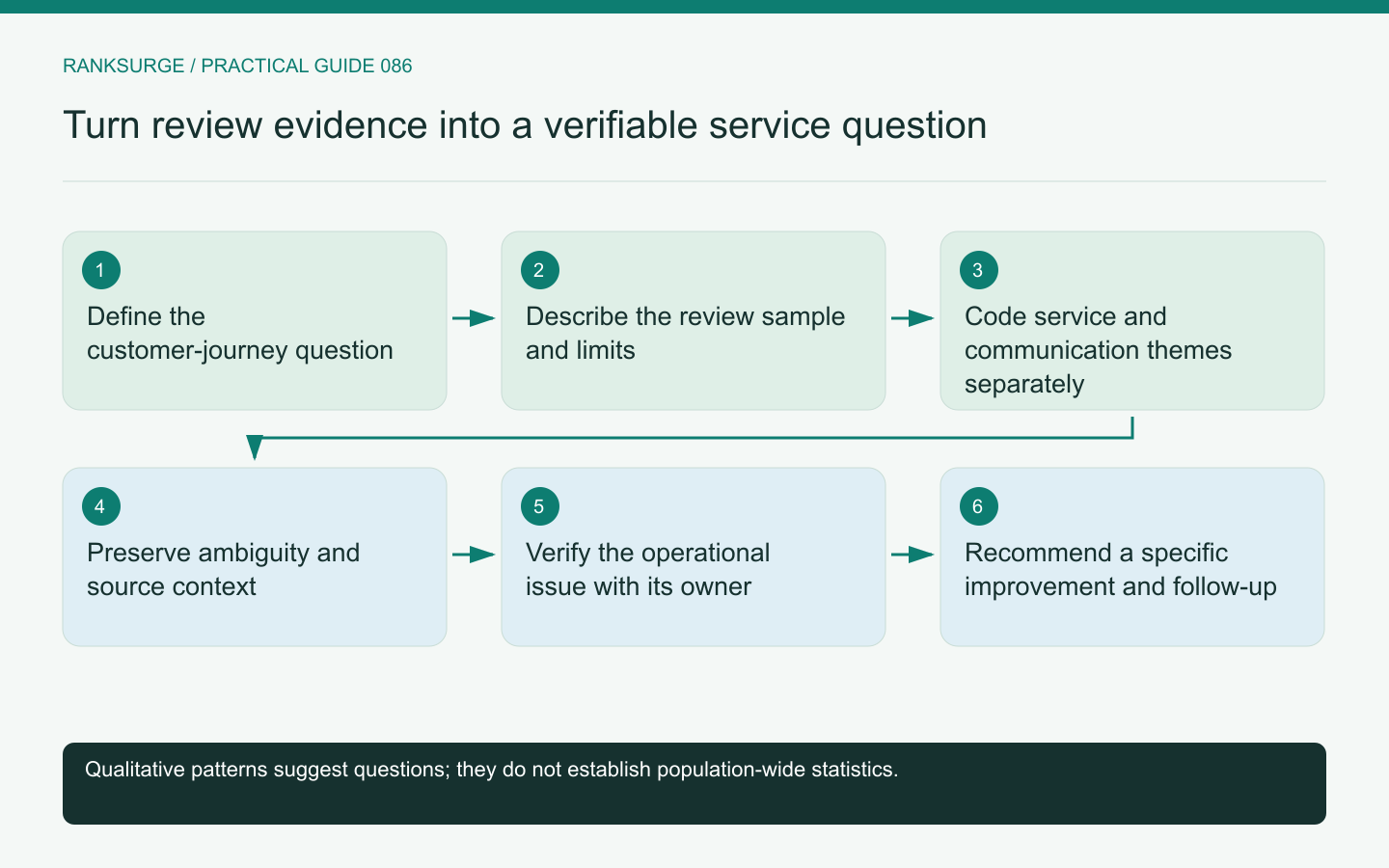
Use local reviews as bounded qualitative research: preserve context, distinguish recurring service themes and turn findings into verifiable improvements.
Read post
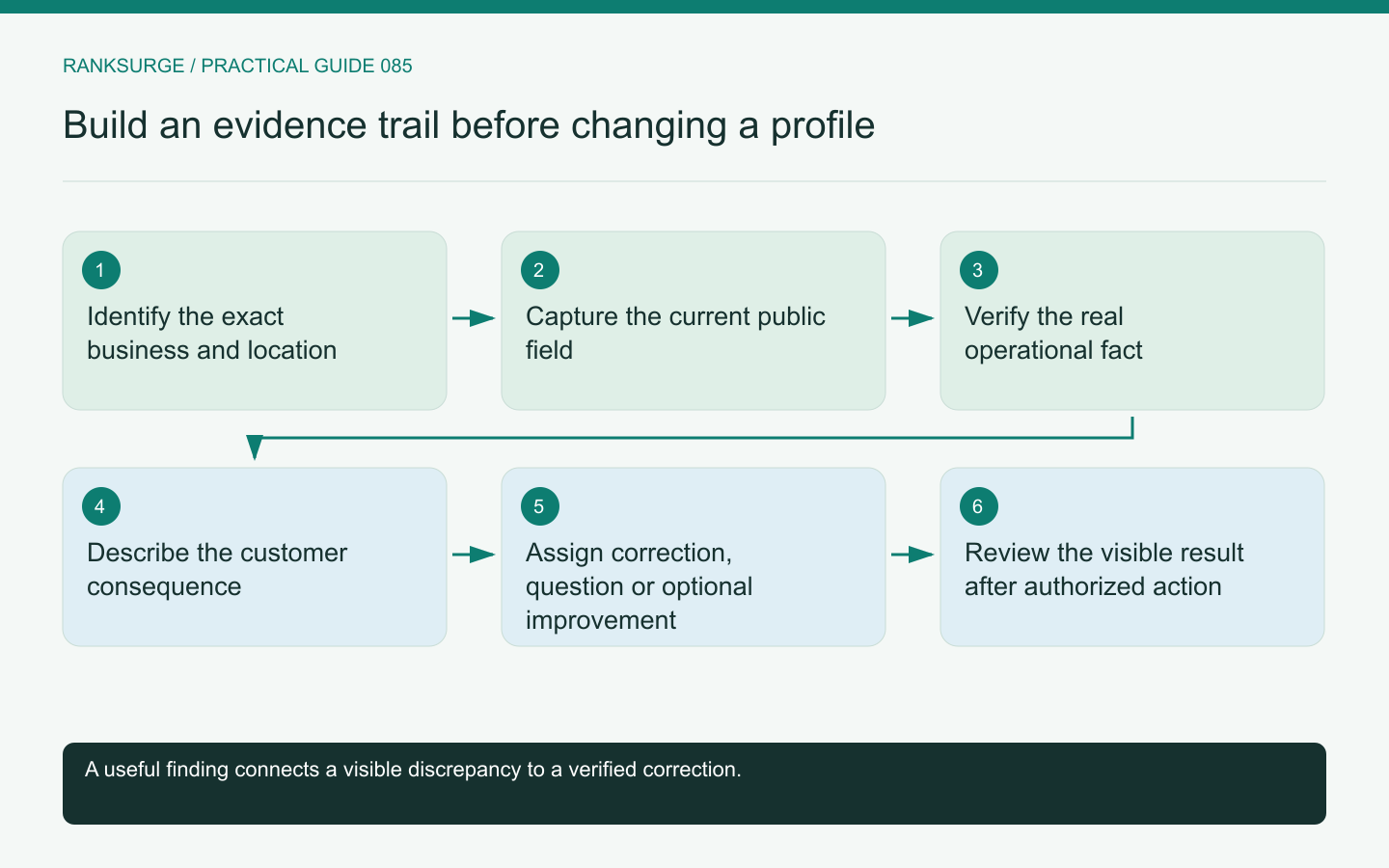
Create a Google Business Profile audit record that separates verified inaccuracies, owner questions and optional improvements before any profile changes are made.
Read post
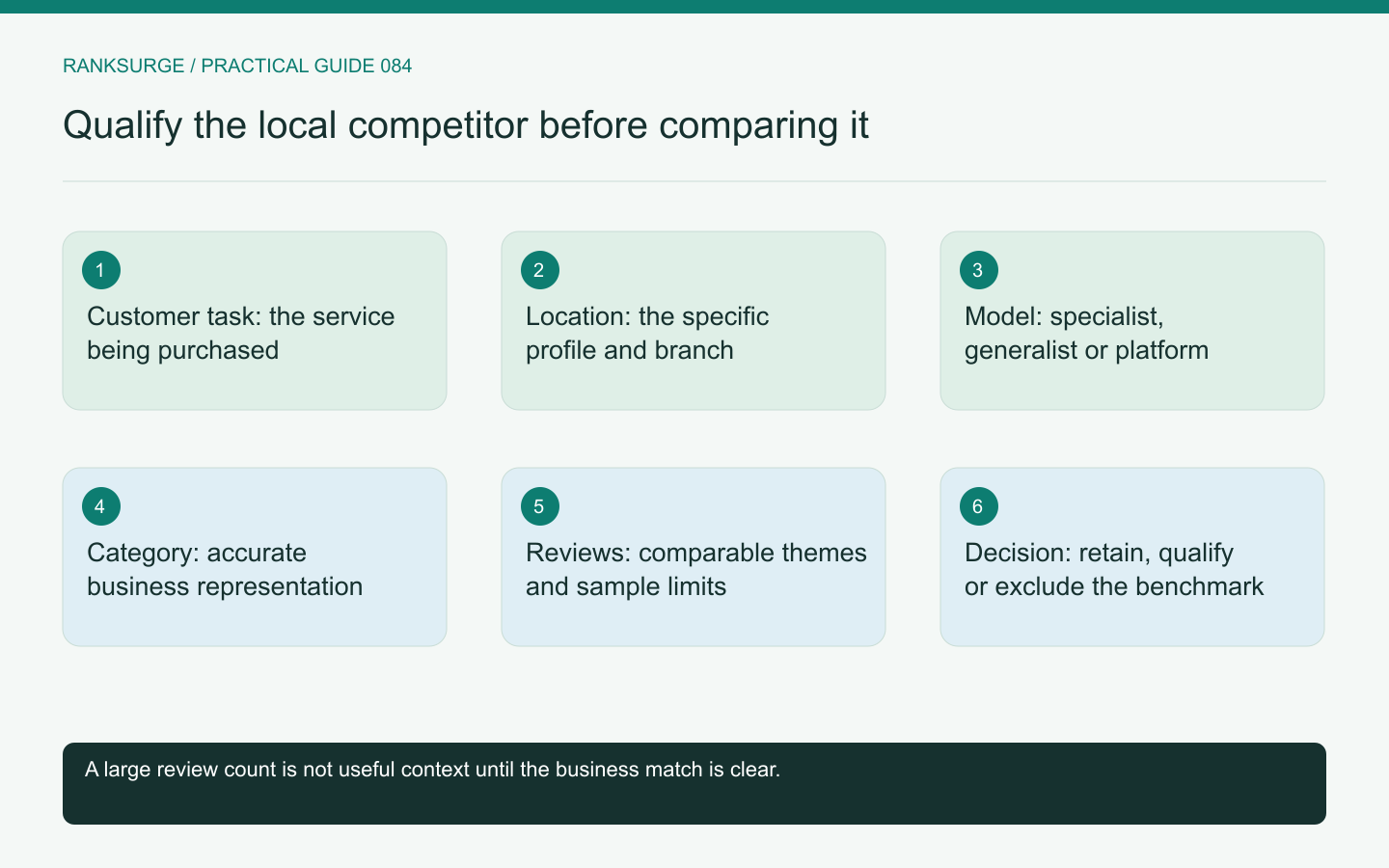
Choose meaningful local competitors by checking category, customer task and service model before comparing profile reviews or making category changes.
Read post
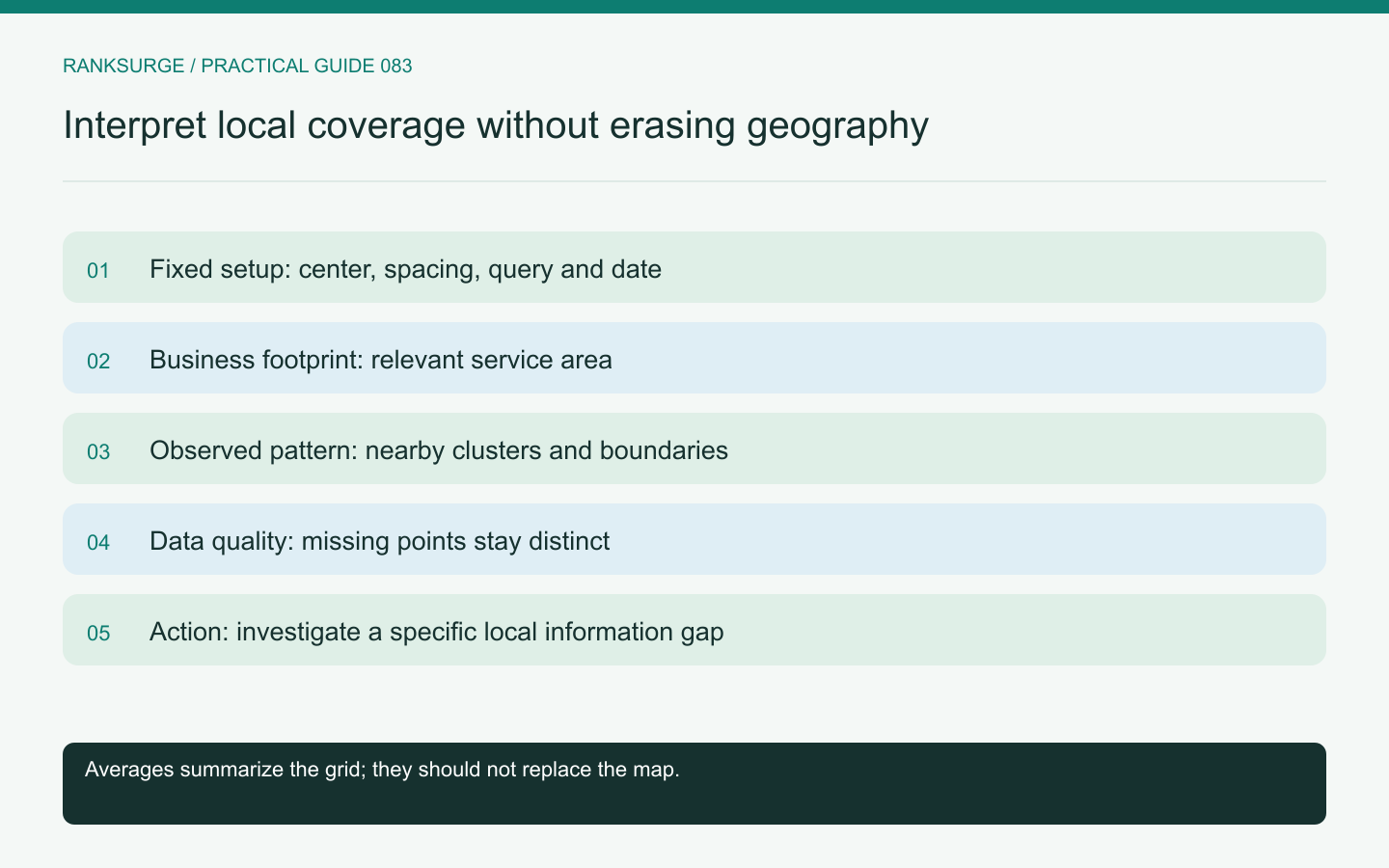
Interpret local SEO grids as geographic observations, preserving location, query and coverage context instead of reducing every map to one average rank.
Read post
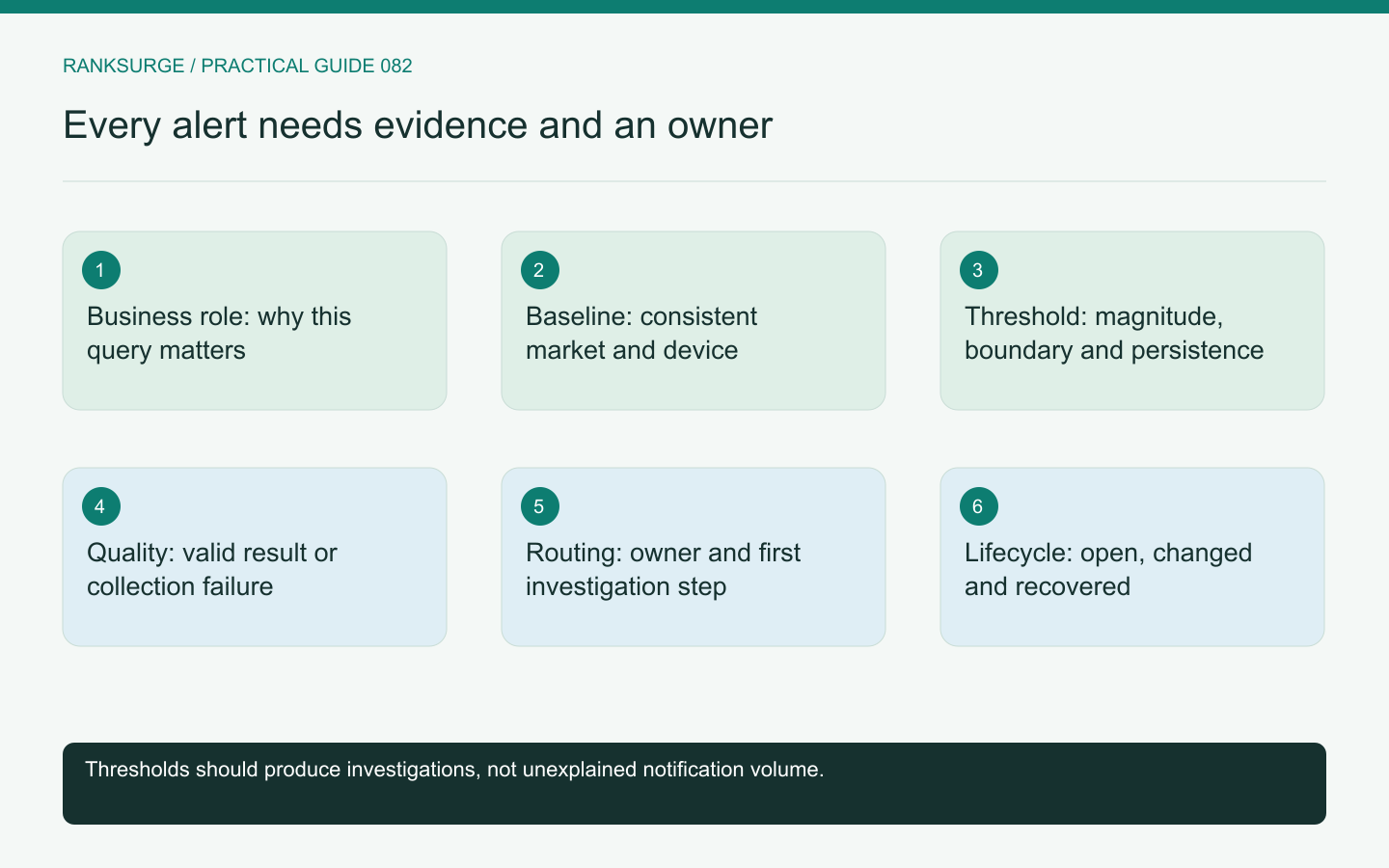
Set rank-tracking alerts around business relevance, persistence and measurement quality so each notification has a clear investigation owner and next step.
Read post
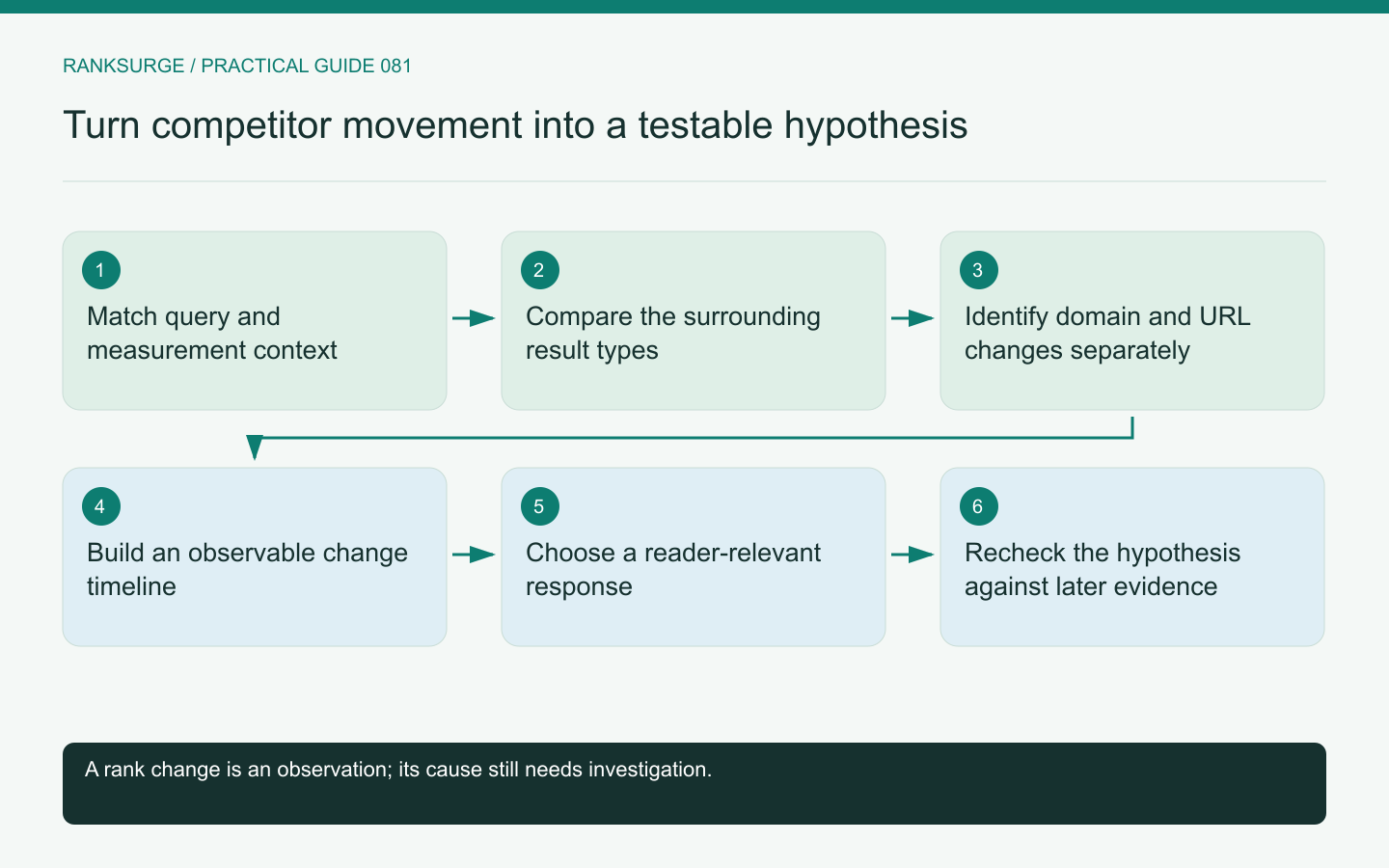
Investigate competitor ranking changes by comparing the same query, location, device and result type before changing your content or SEO priorities.
Read post
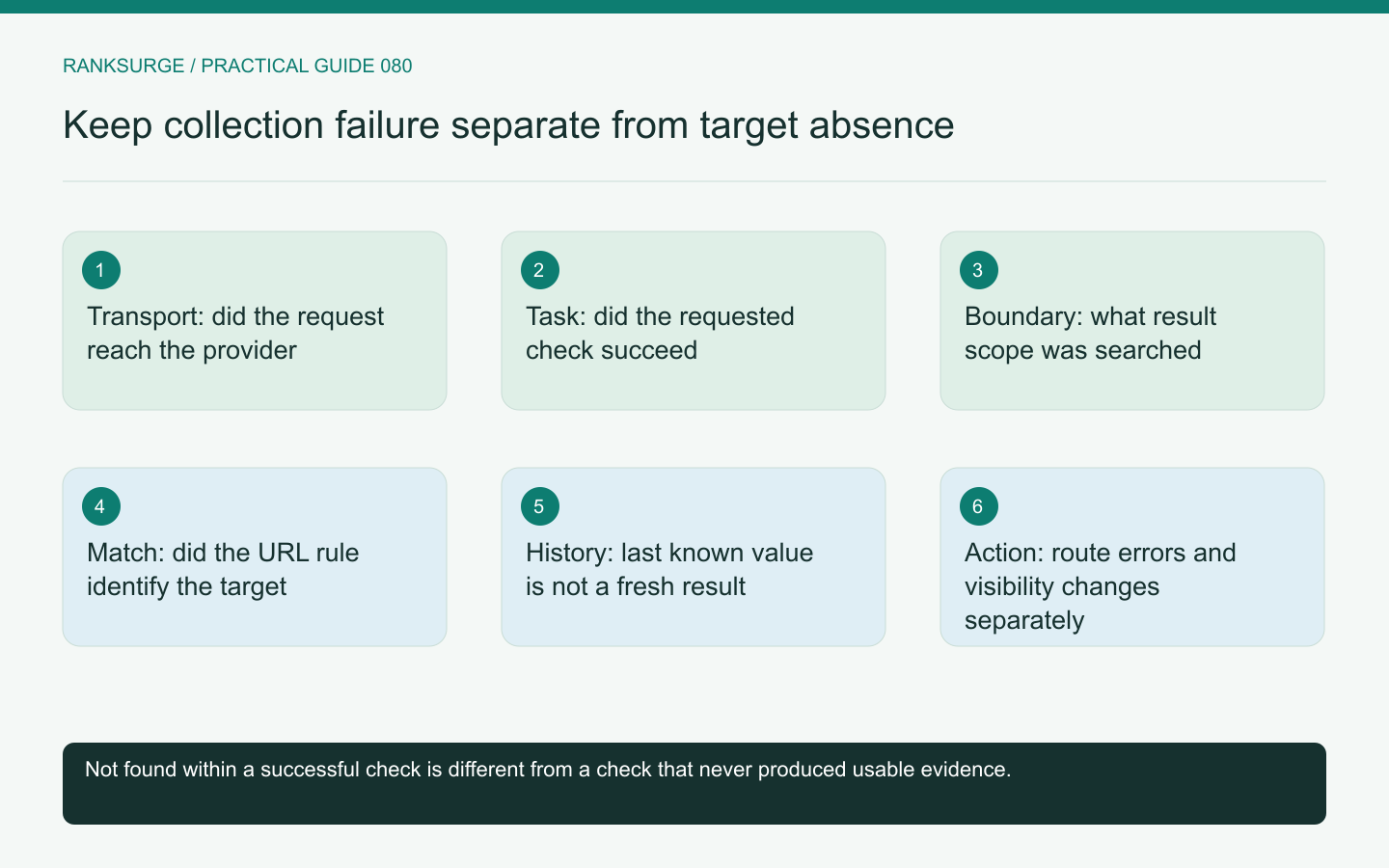
Represent missing rank positions with explicit collection and matching states so API failures, limited search depth and true observations are not confused.
Read post
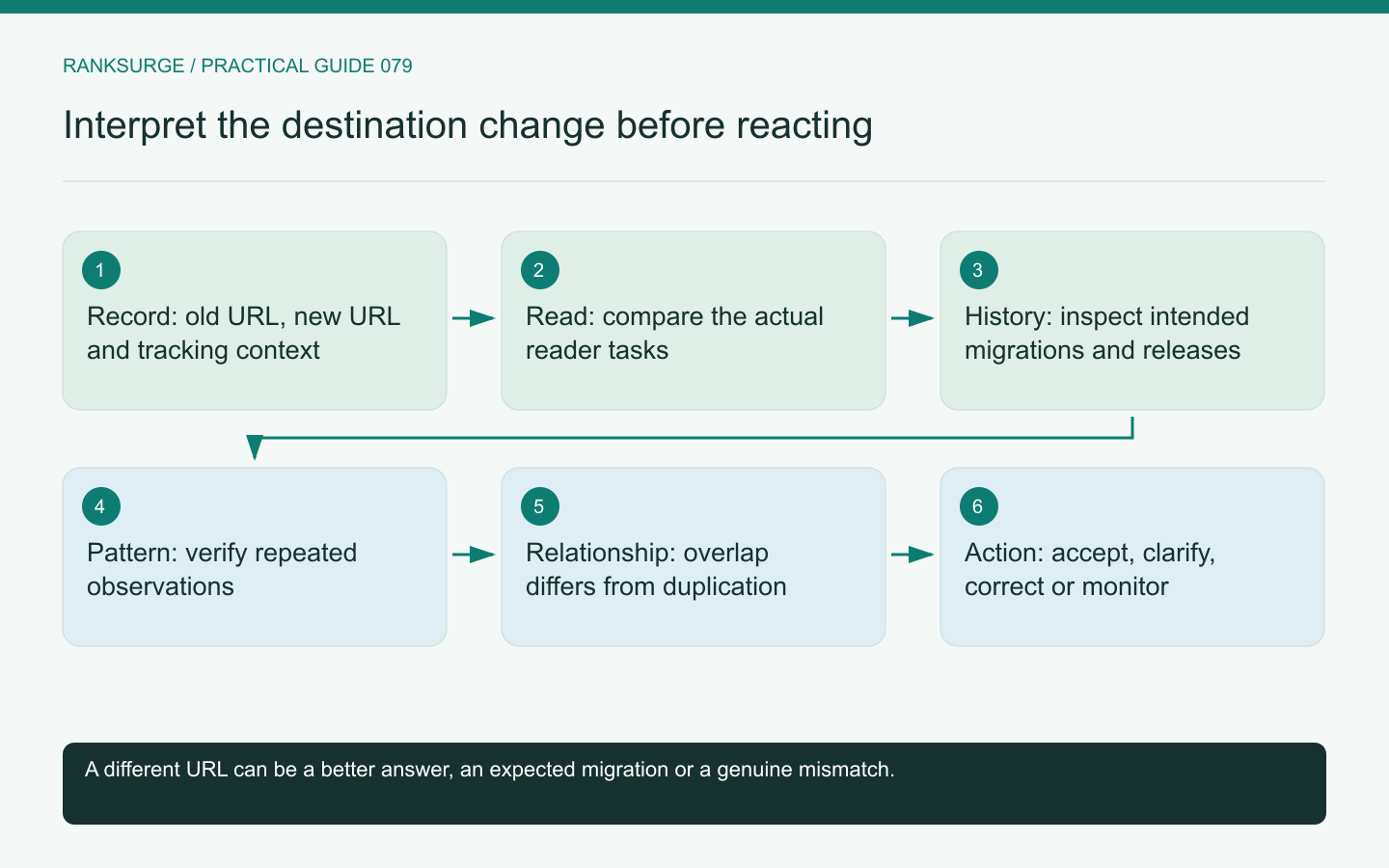
Investigate ranking URL changes by comparing page purpose, migration history and repeated observations before treating every handoff as keyword cannibalization.
Read post
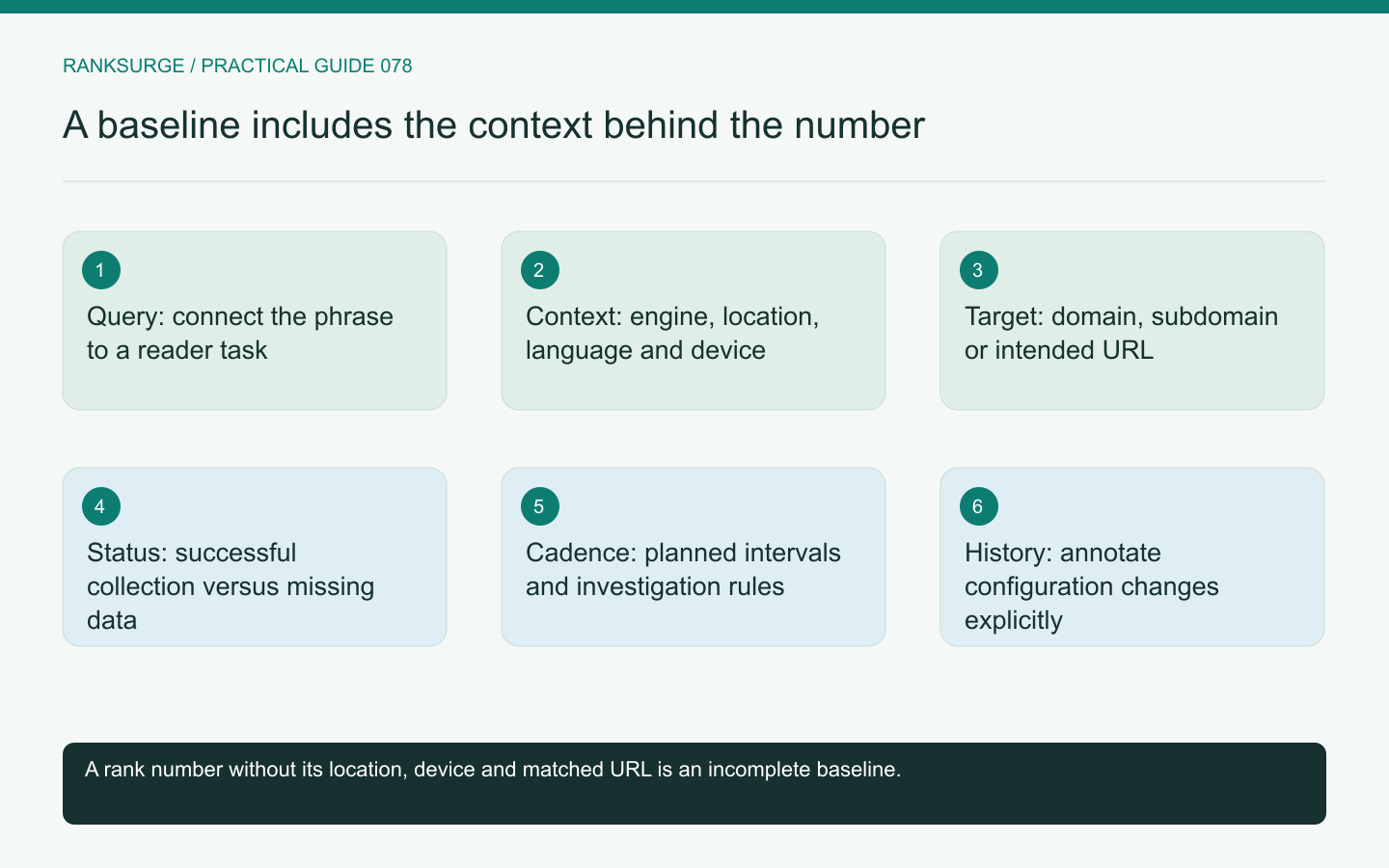
Build a rank-tracking baseline with a fixed query context, target matching policy and successful initial observations before interpreting movements.
Read post
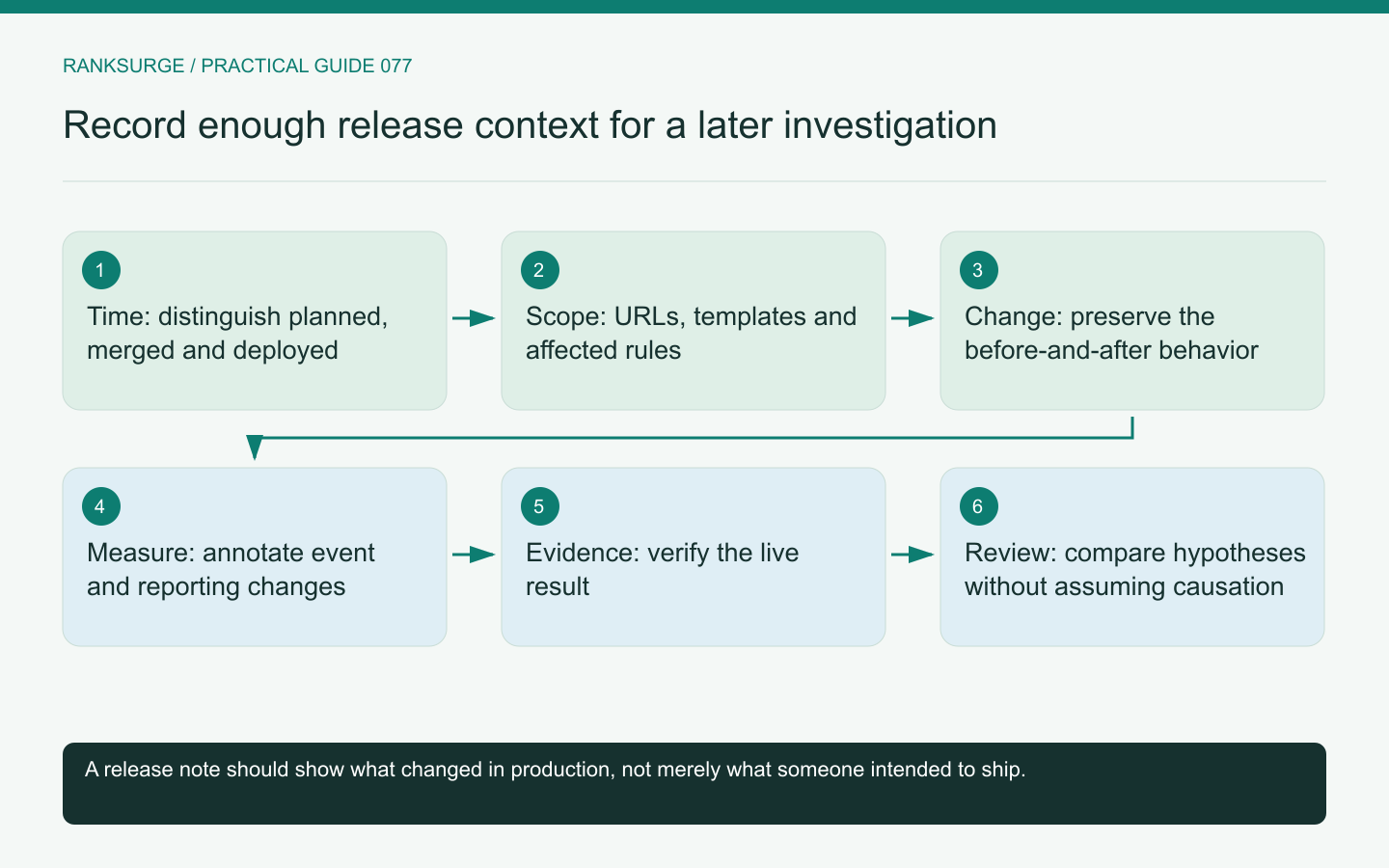
Create an SEO change log with release times, affected URLs and expected behavior so later traffic investigations have evidence beyond memory.
Read post
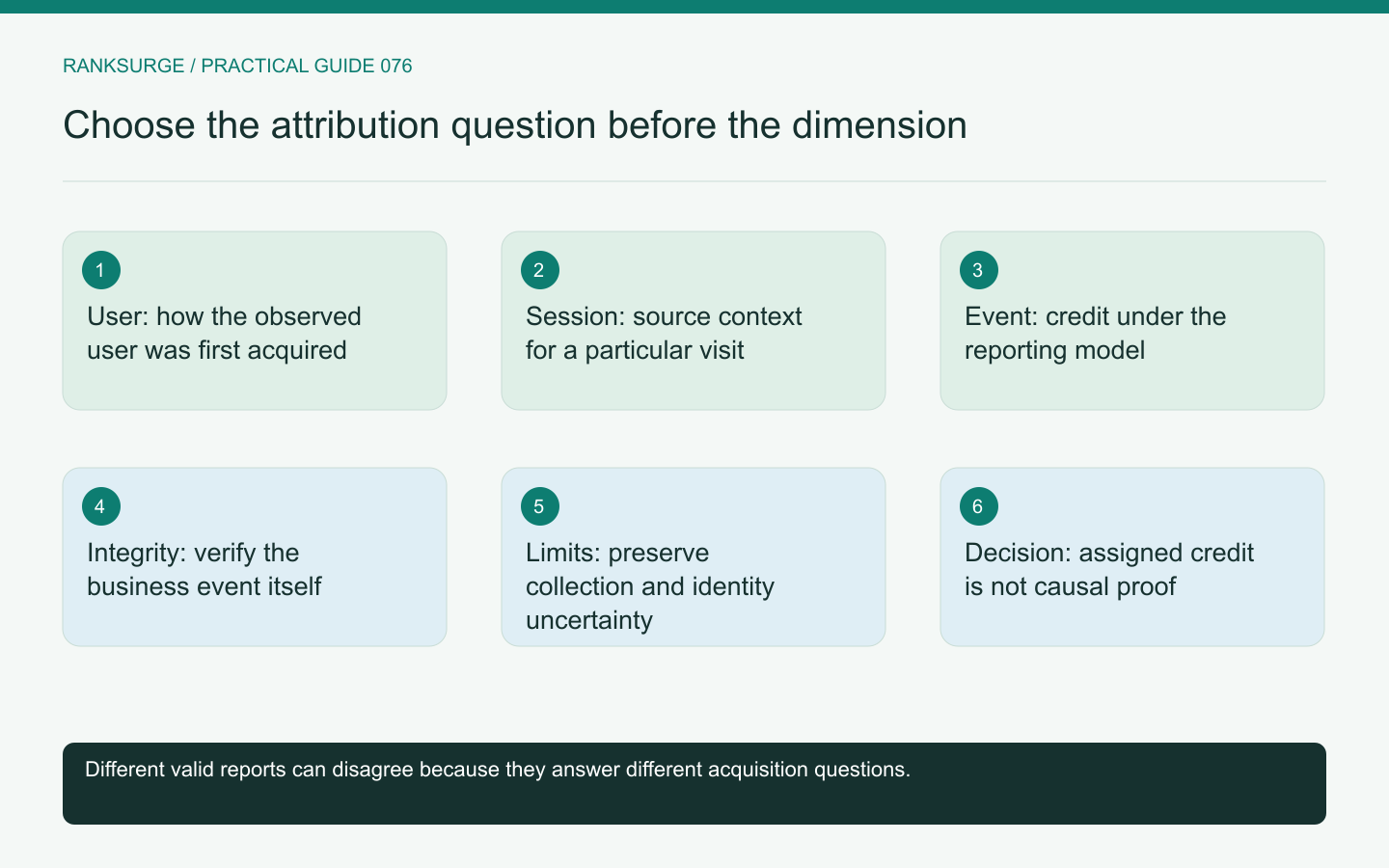
Explain GA4 organic-search attribution by choosing the right user, session or event scope and separating assigned credit from proof of causal impact.
Read post
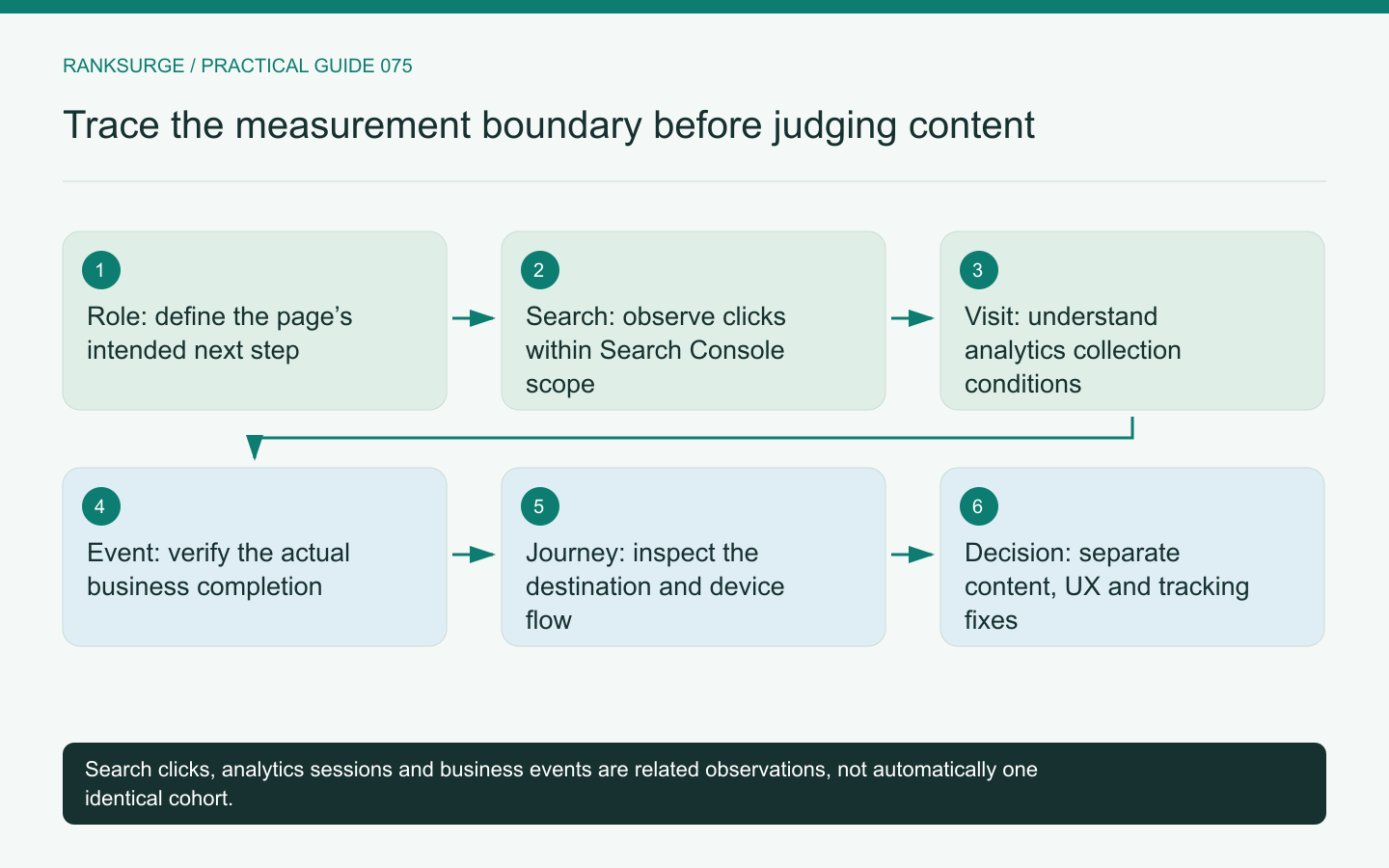
Compare SEO traffic and conversions by tracing clicks, measured visits and business events before concluding that a page attracts the wrong audience.
Read post
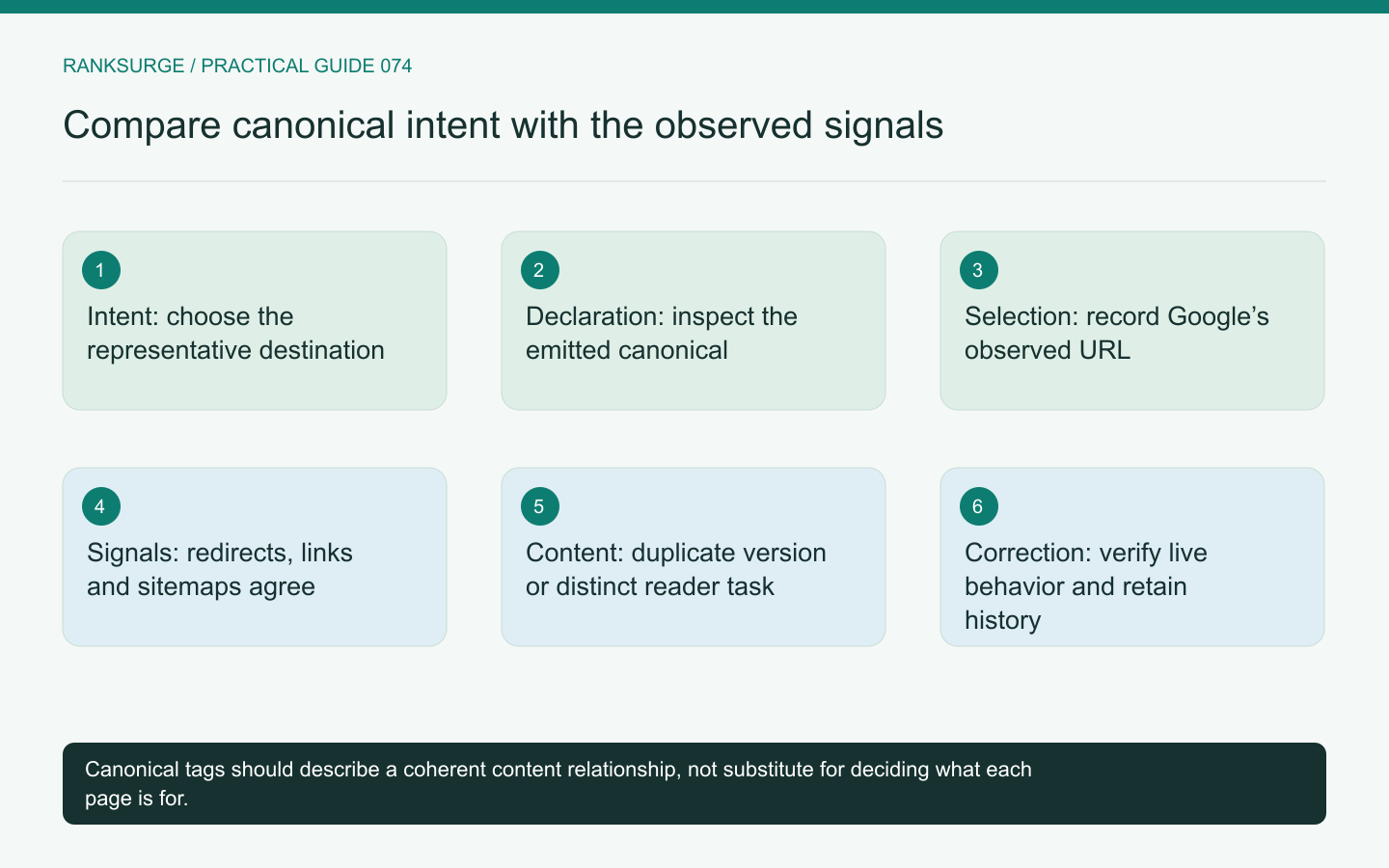
Investigate canonical differences by comparing the intended URL, declared signals and Google’s selected URL before changing templates or consolidating pages.
Read post
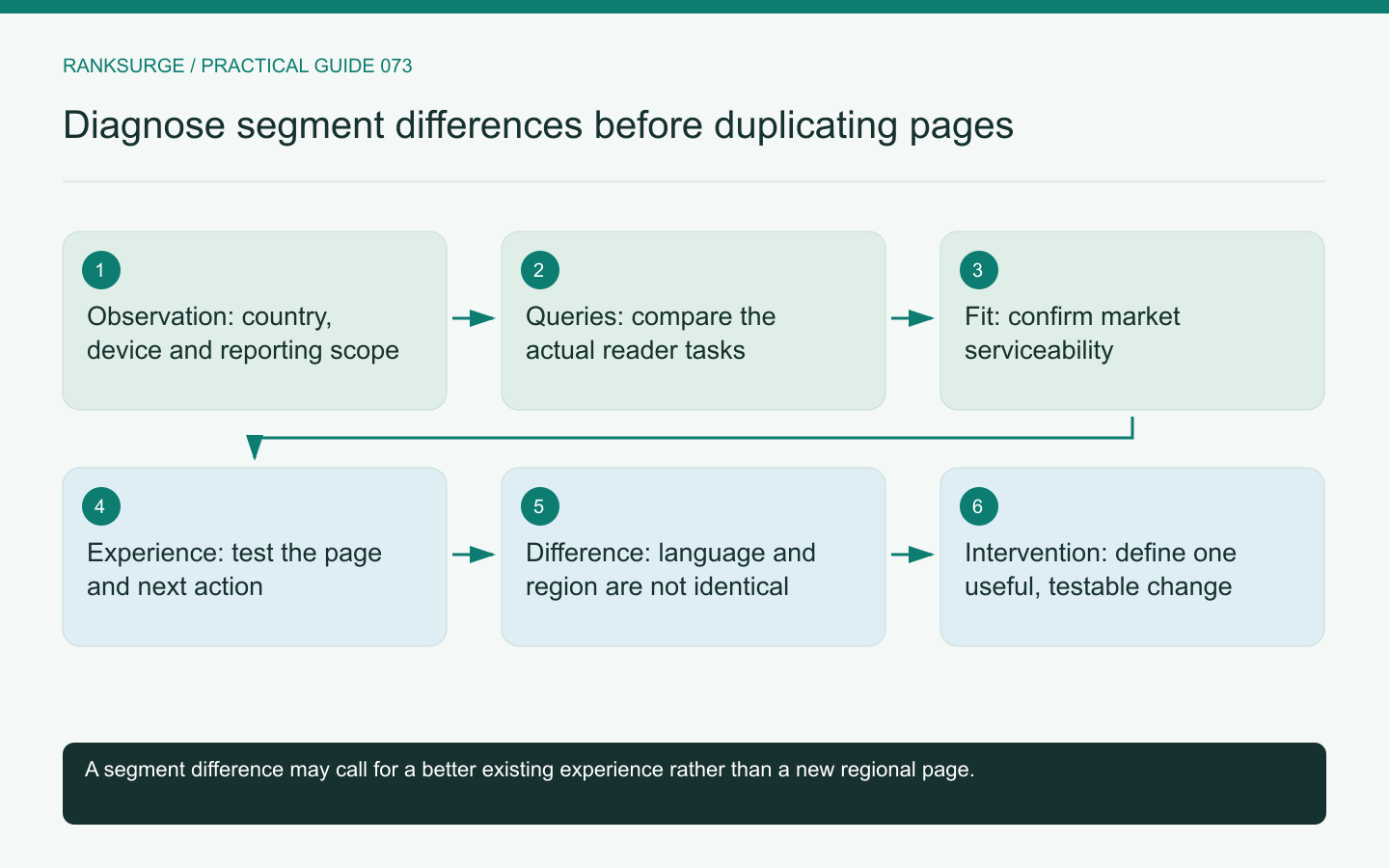
Investigate country and device search differences through comparable queries, service availability and real page behavior before creating separate regional content.
Read post
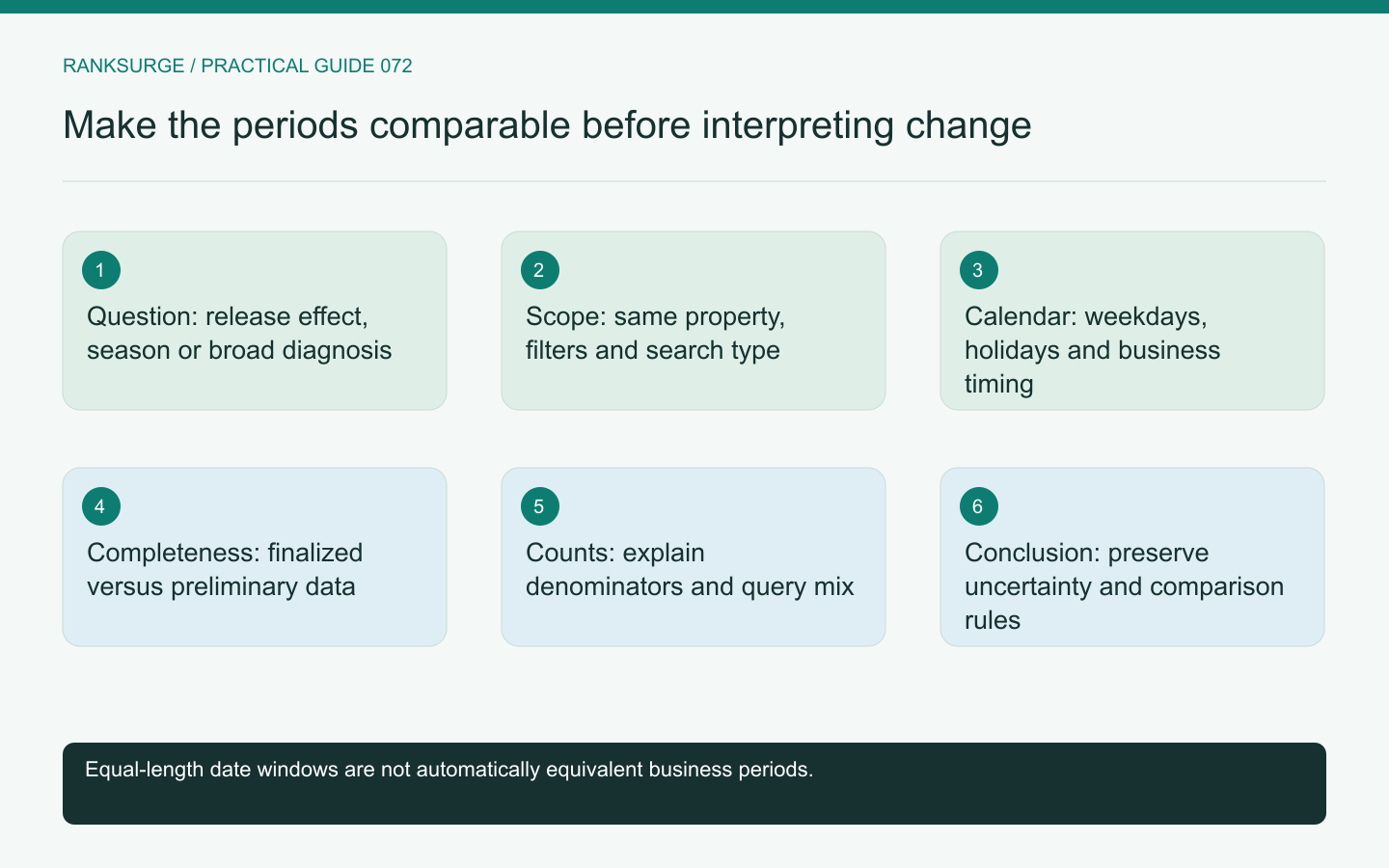
Compare Search Console periods with consistent scope, complete data and calendar context so weekday mix or seasonal timing does not masquerade as an SEO change.
Read post
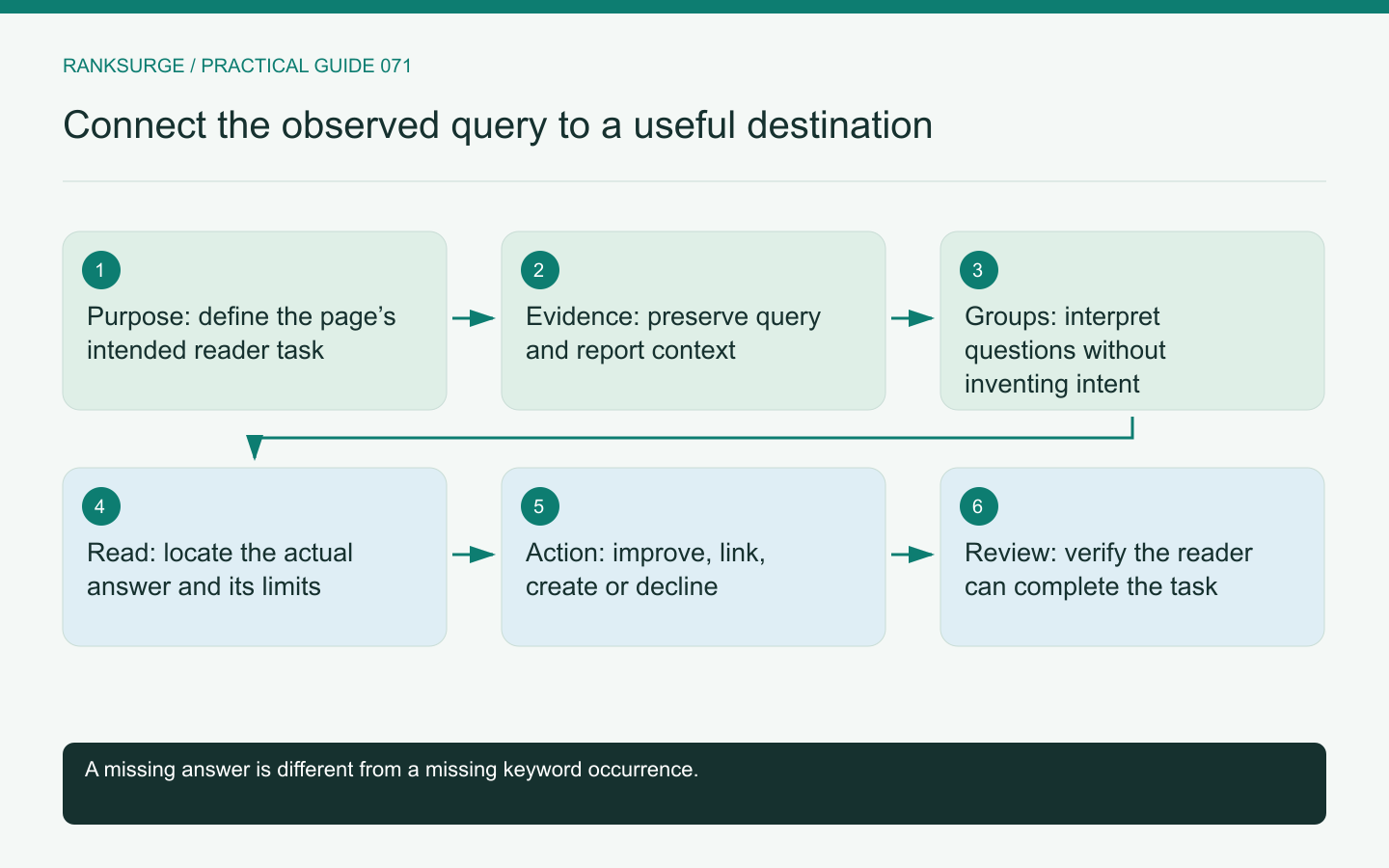
Use page–query analysis to compare the searcher’s task with the actual landing page, then choose a focused improvement instead of adding every phrase.
Read post
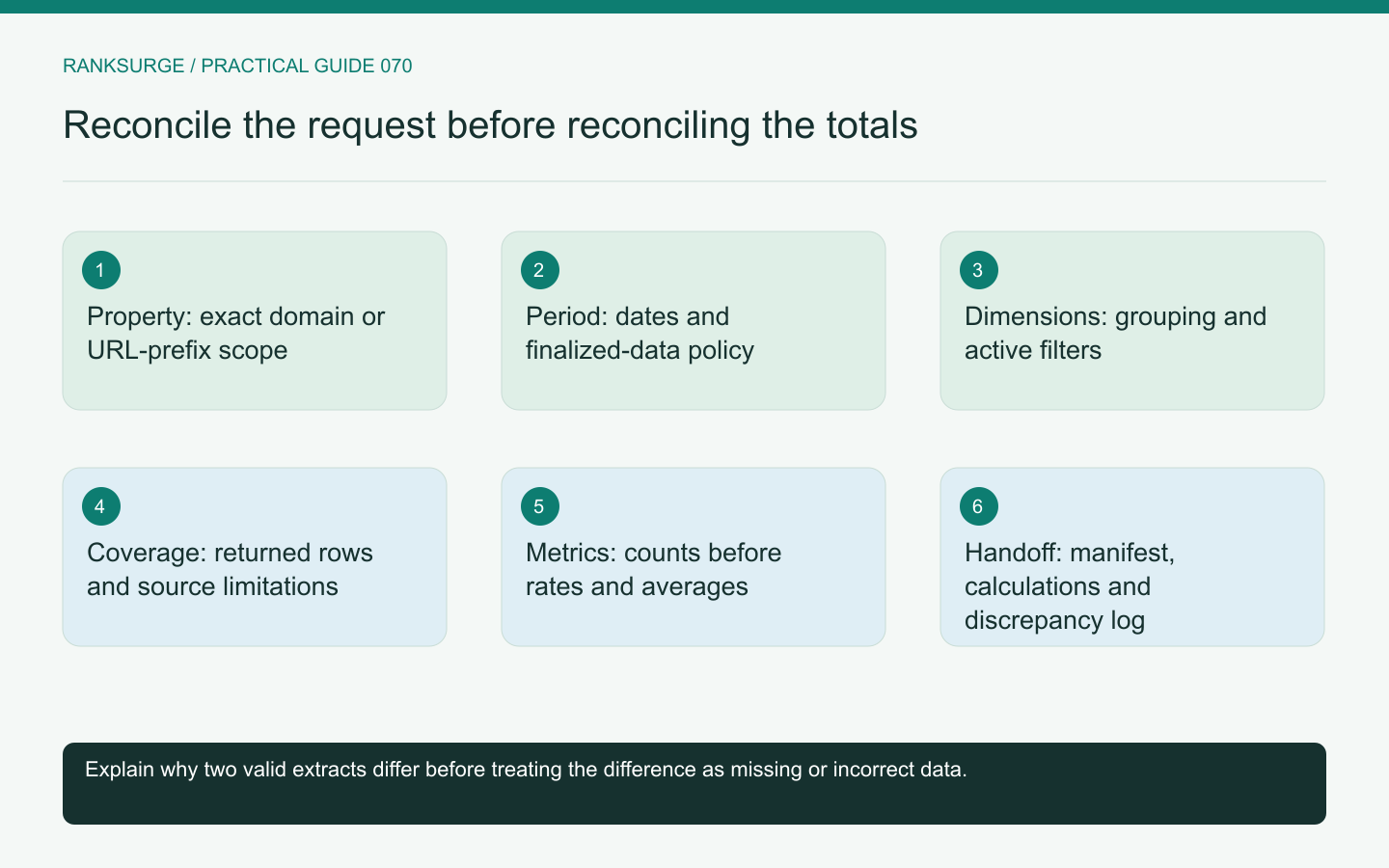
Reconcile Search Console exports by preserving request scope, dimensions and coverage, then explain differences instead of forcing row sums to match a dashboard.
Read post
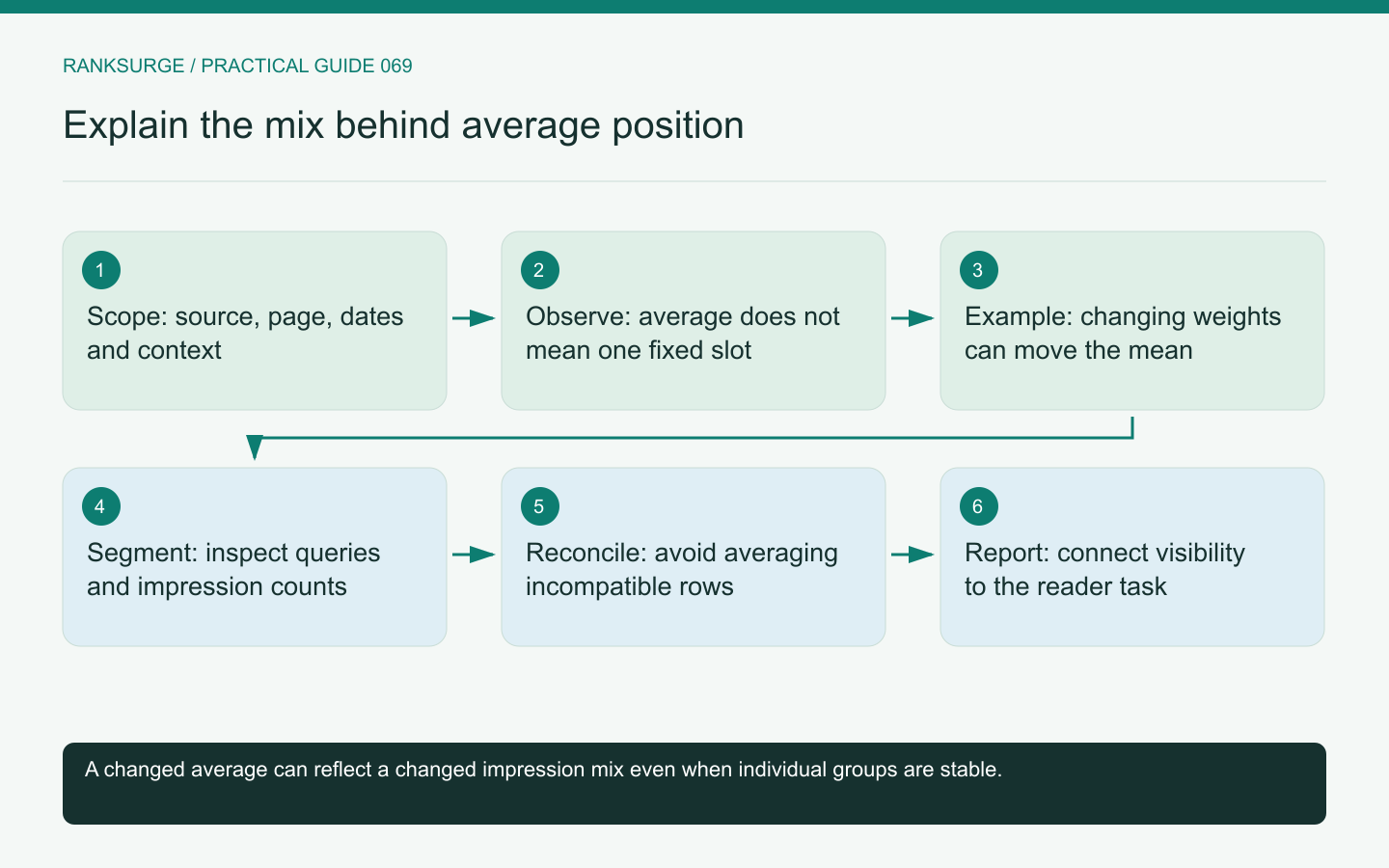
Explain Search Console average position through scope and impression mix, using weighted examples instead of presenting an aggregate as a single fixed rank.
Read post
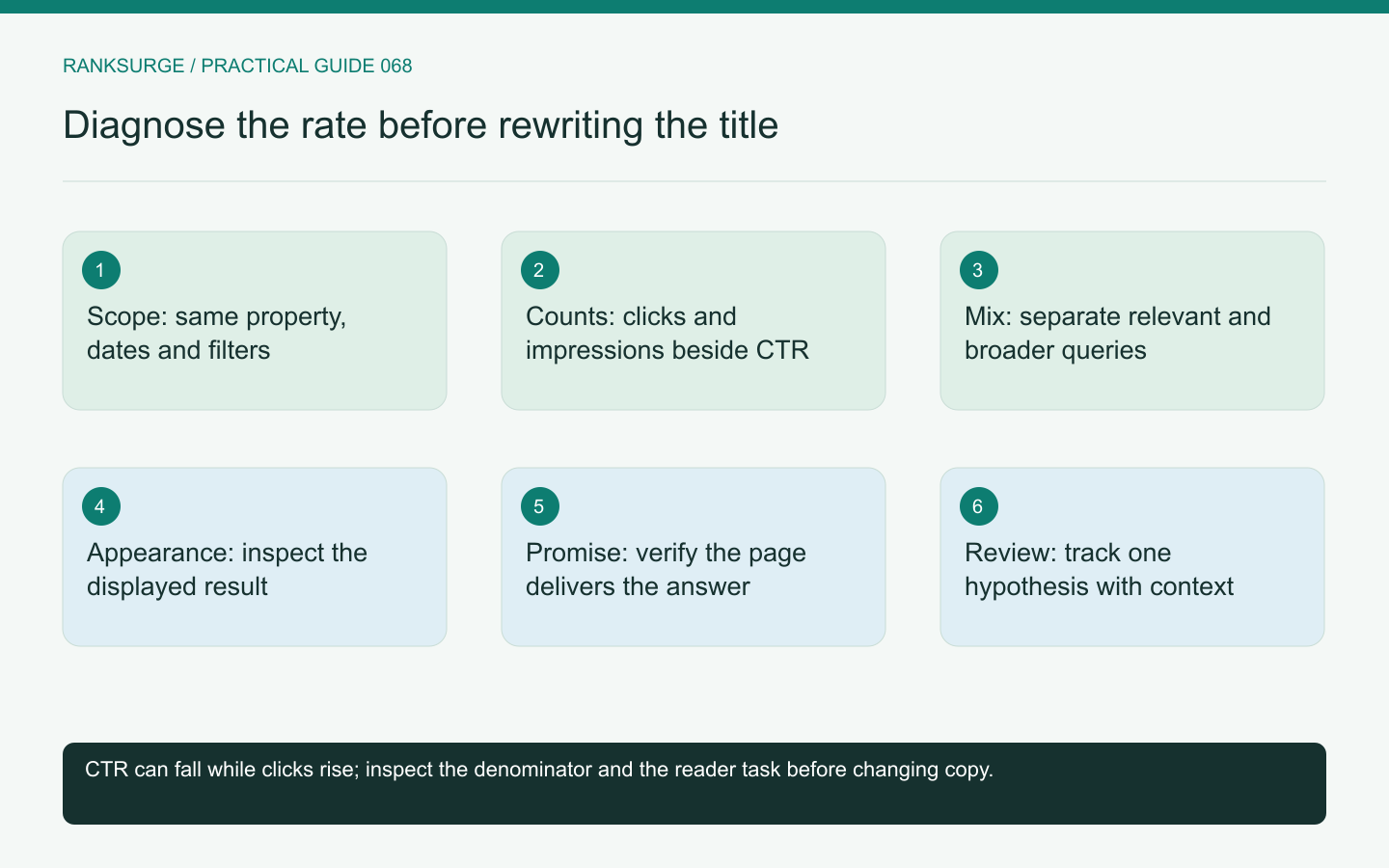
Diagnose low Search Console CTR through query mix, page fit and observed result appearance before changing titles or claiming an uplift opportunity.
Read post
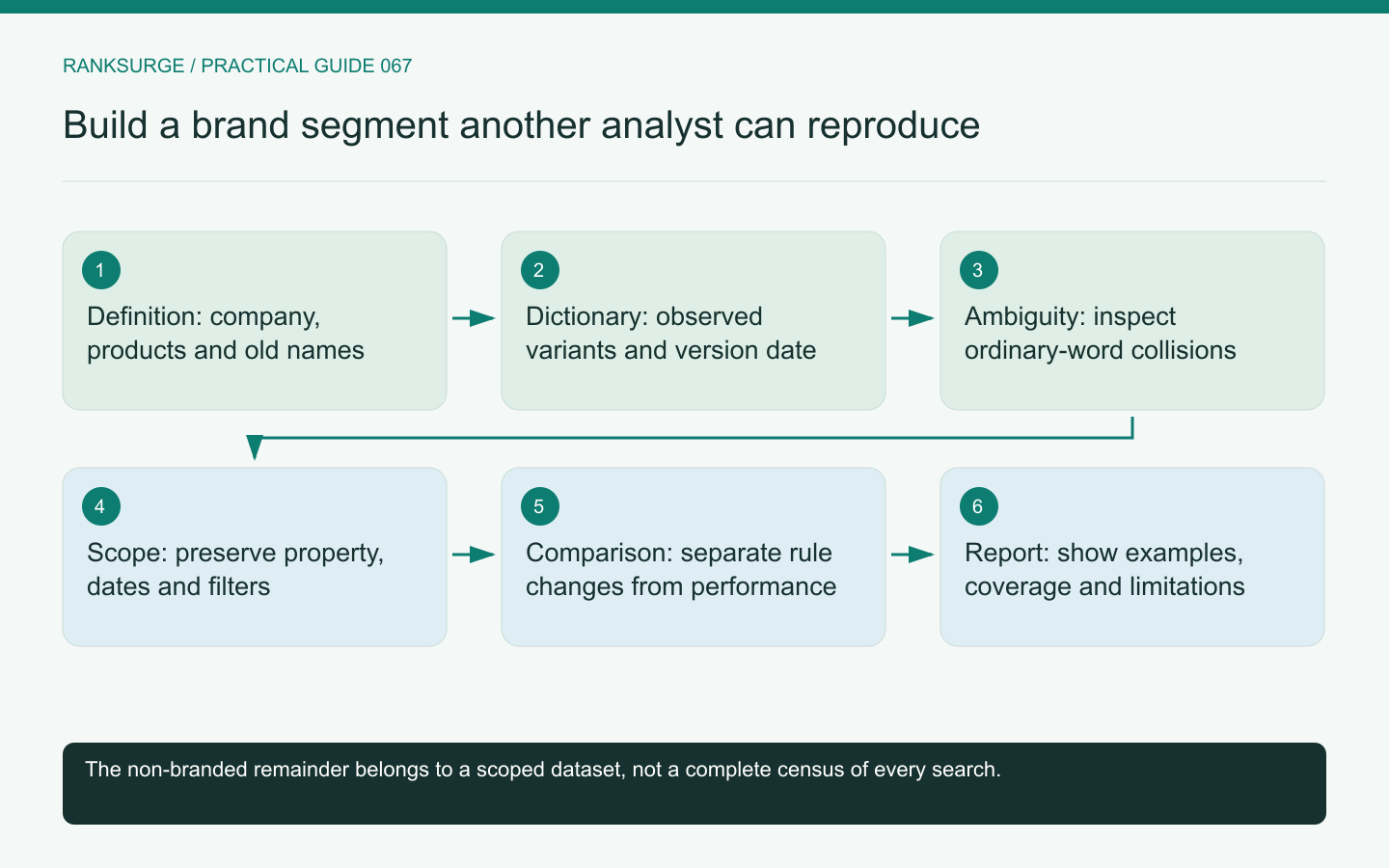
Build explainable branded and non-branded search segments with a versioned term dictionary, ambiguous-query review and clear limits on visible query coverage.
Read post
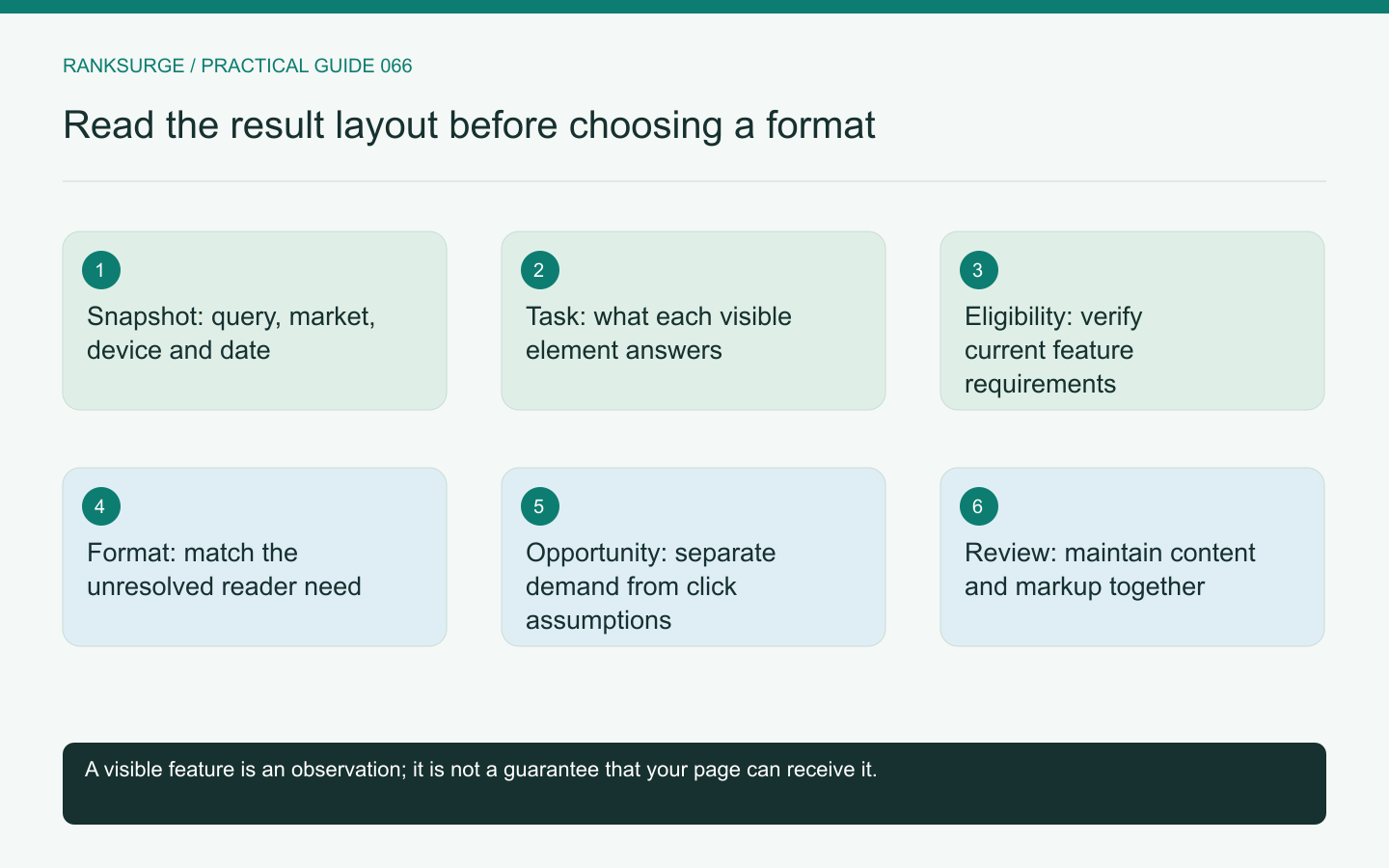
Evaluate SERP features by the reader task and available click path, then choose a useful content format without assuming every visible feature is attainable.
Read post
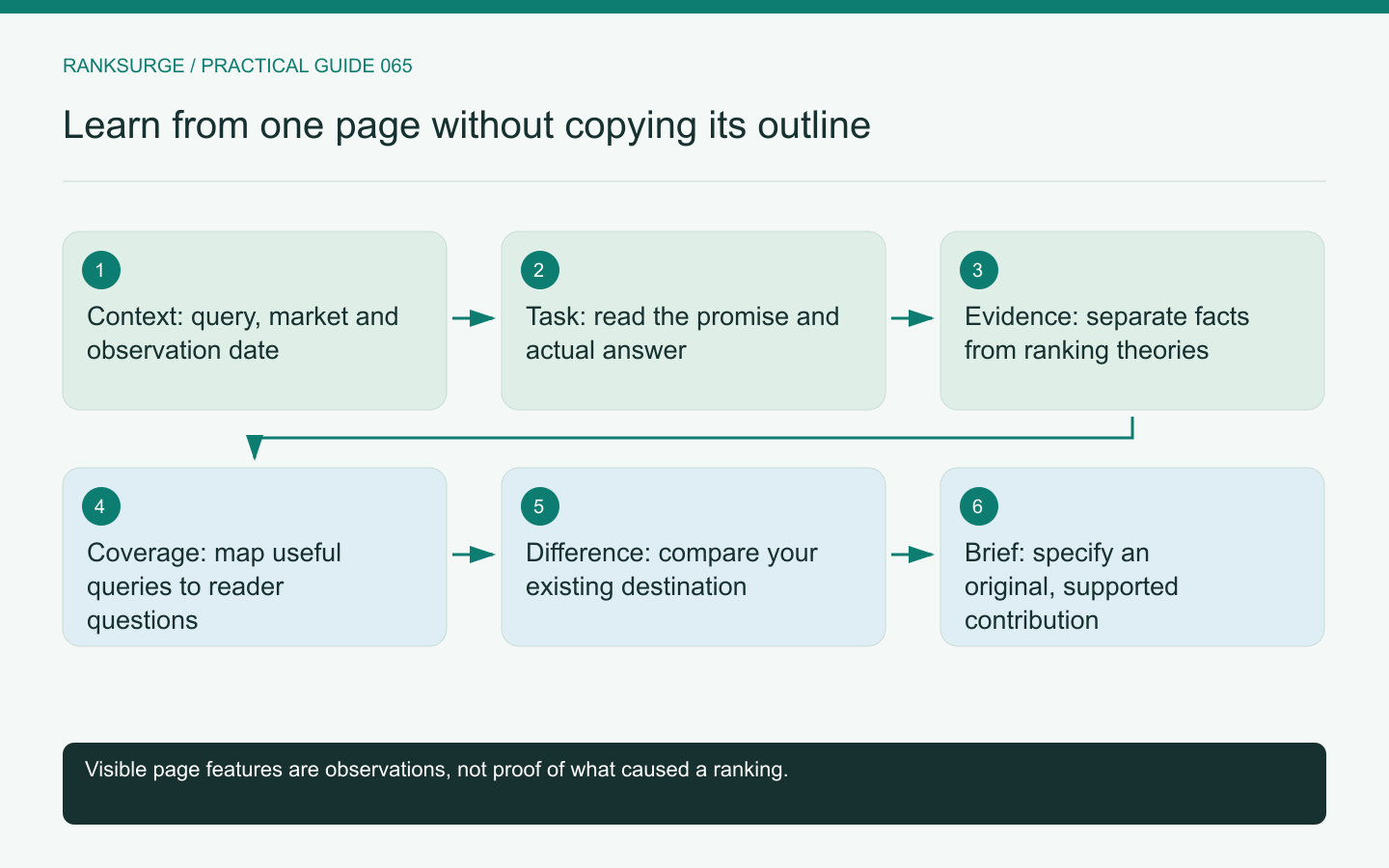
Analyze a competitor page by its reader task, evidence and current result context before deciding what your own site should improve or create.
Read post
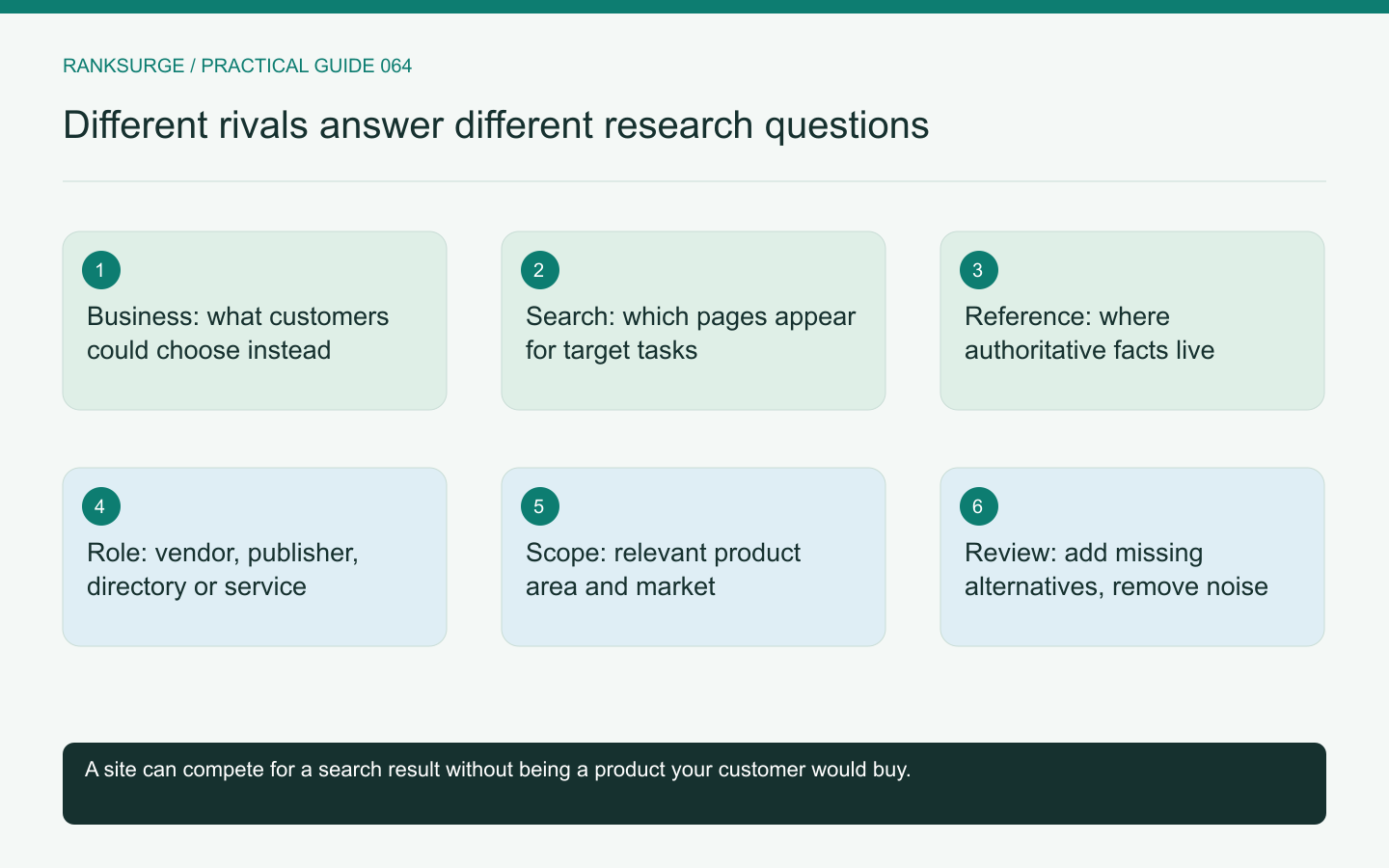
Choose SEO competitors by separating business substitutes, search-result rivals and reference publishers, then use each group for the right research question.
Read post
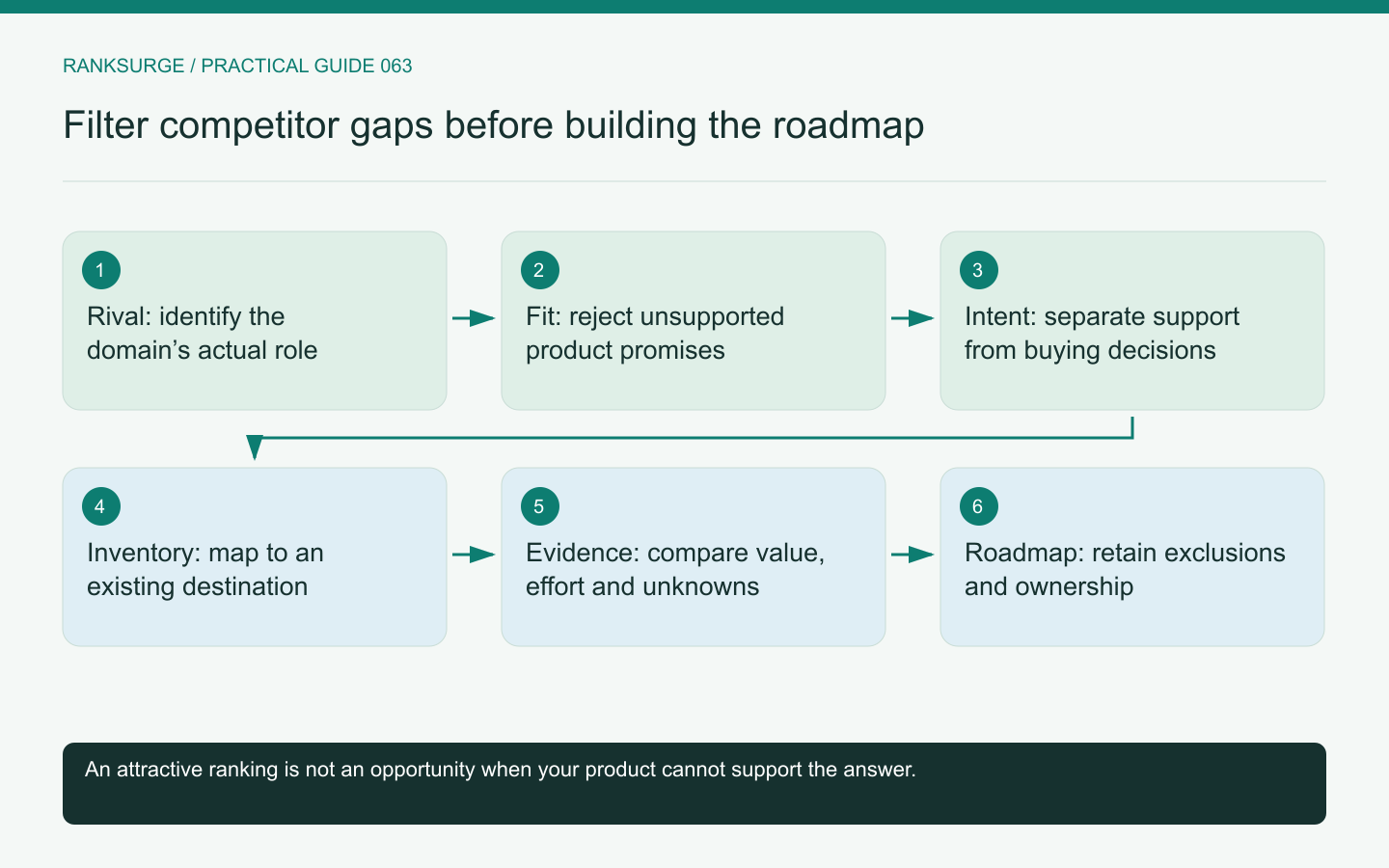
Prioritize competitor keyword gaps by product fit, reader task and existing coverage, with explicit reasons to reject attractive but irrelevant rankings.
Read post
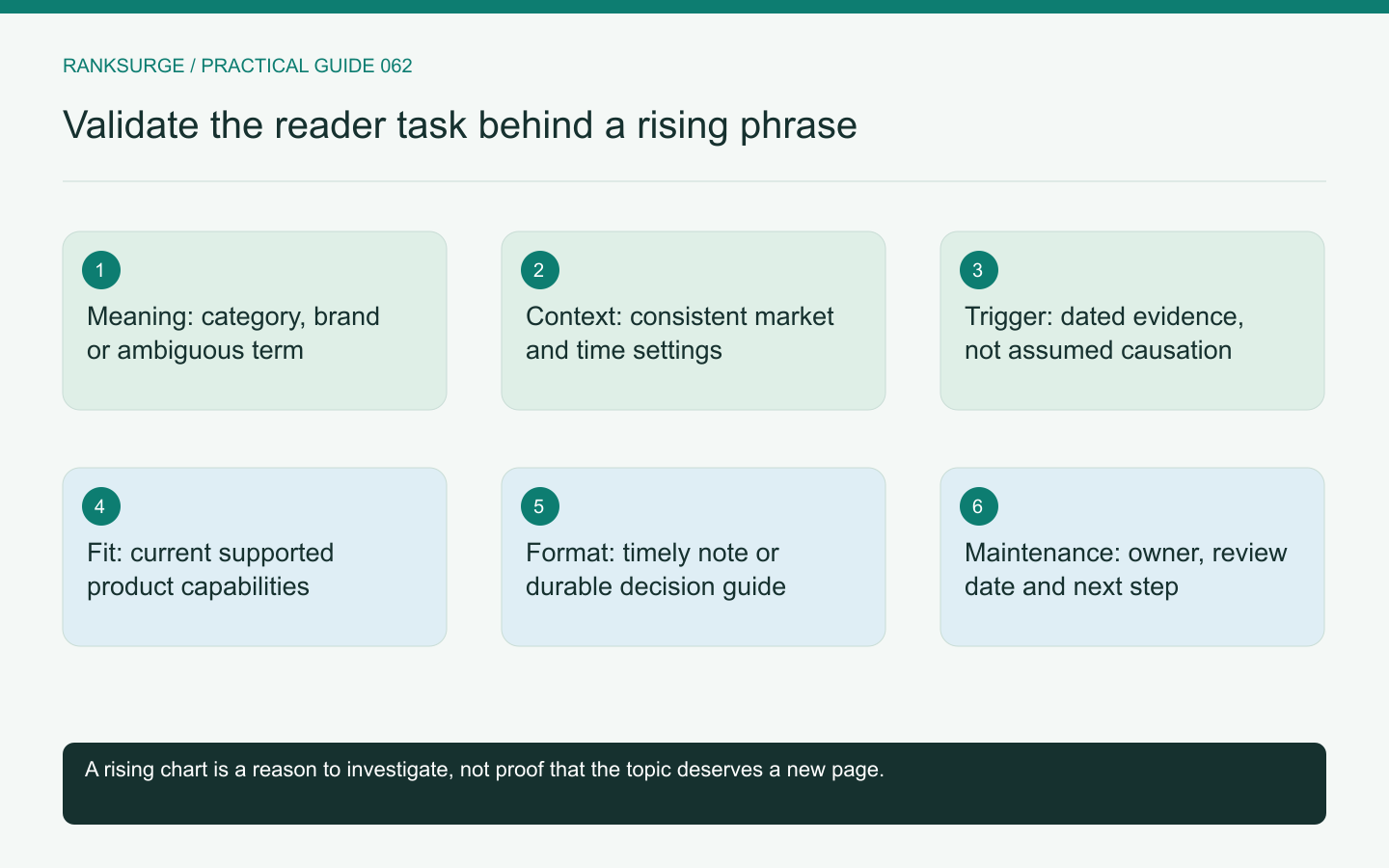
Validate a keyword trend by checking meaning, source context and a durable reader task before committing to content that may outlive the news cycle.
Read post
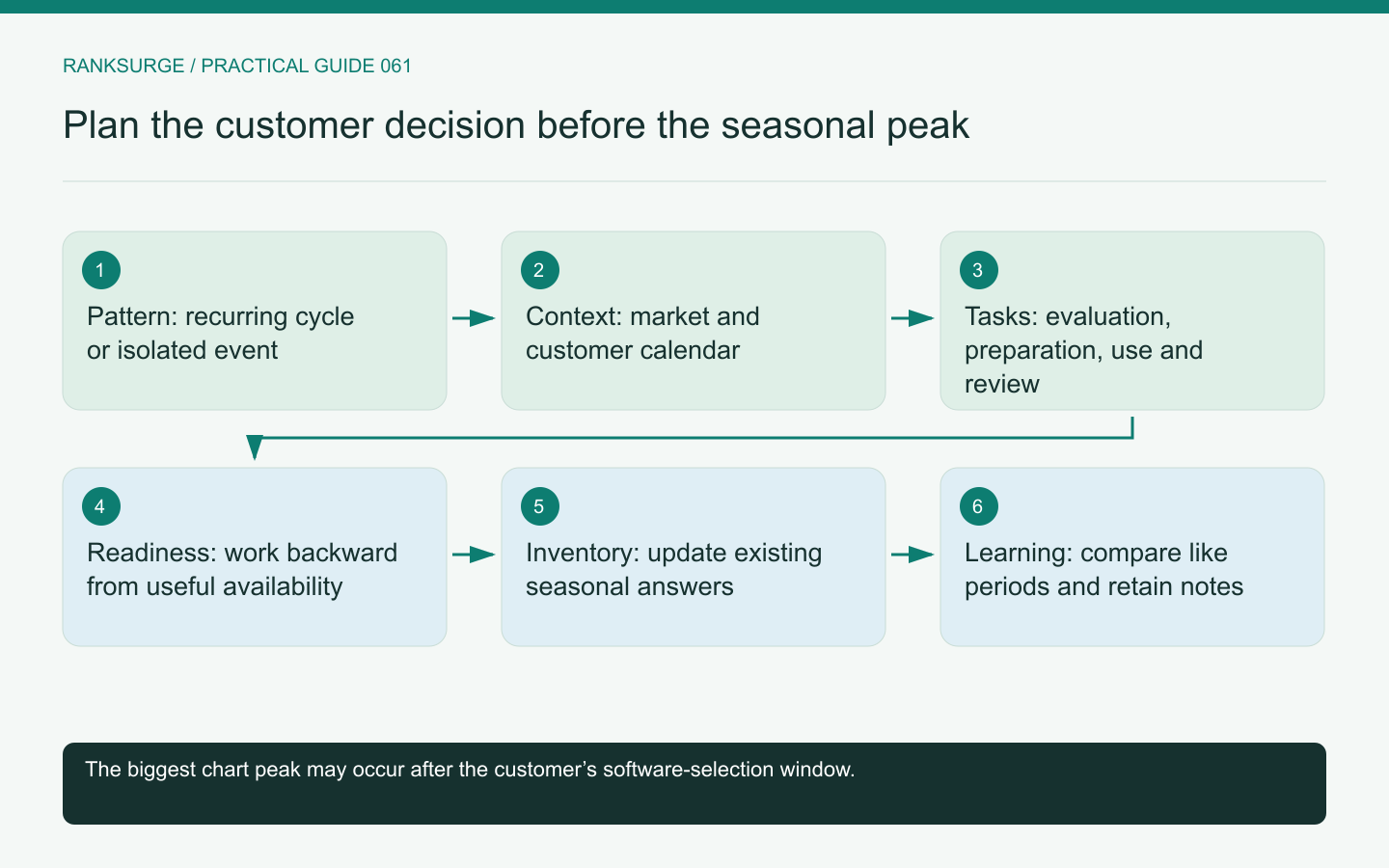
Plan seasonal keyword content by comparing recurring demand windows, customer preparation time and existing coverage rather than reacting to a single spike.
Read post
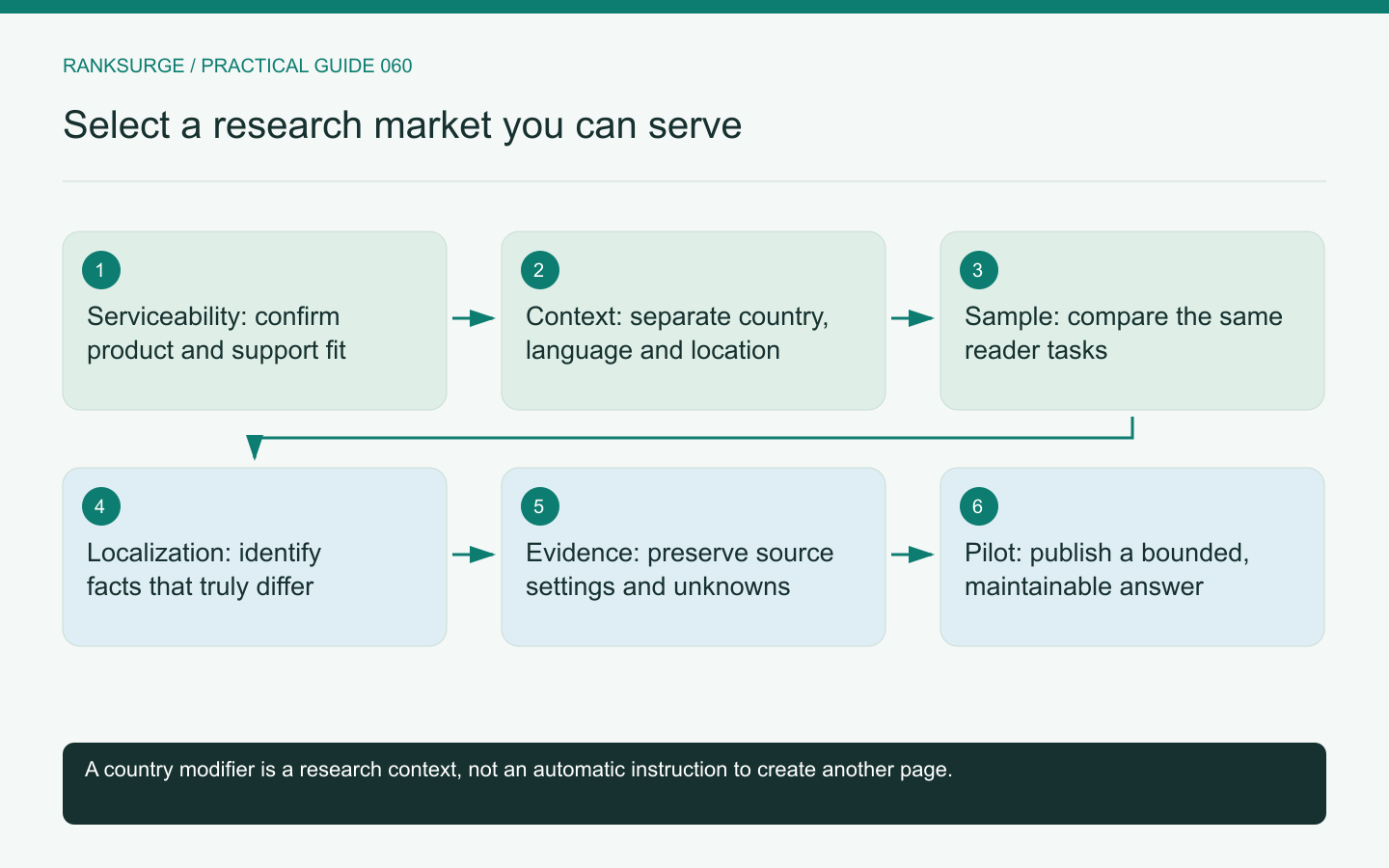
Select keyword research markets using customer serviceability, language and search context, then separate genuine local needs from duplicate country pages.
Read post
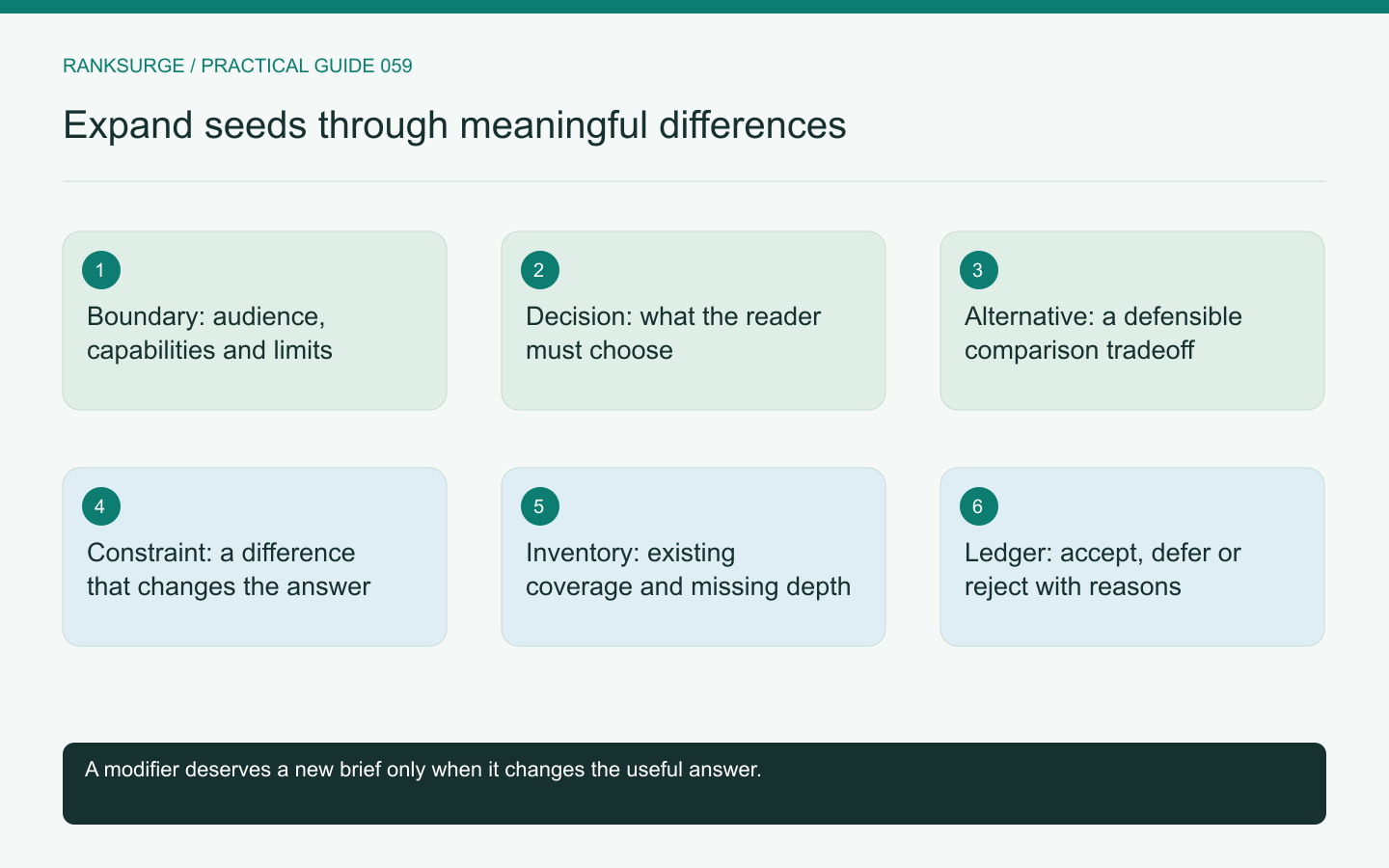
Expand keyword seeds through customer tasks, alternatives and constraints while filtering unsupported topics and duplicate page ideas before measurement.
Read post
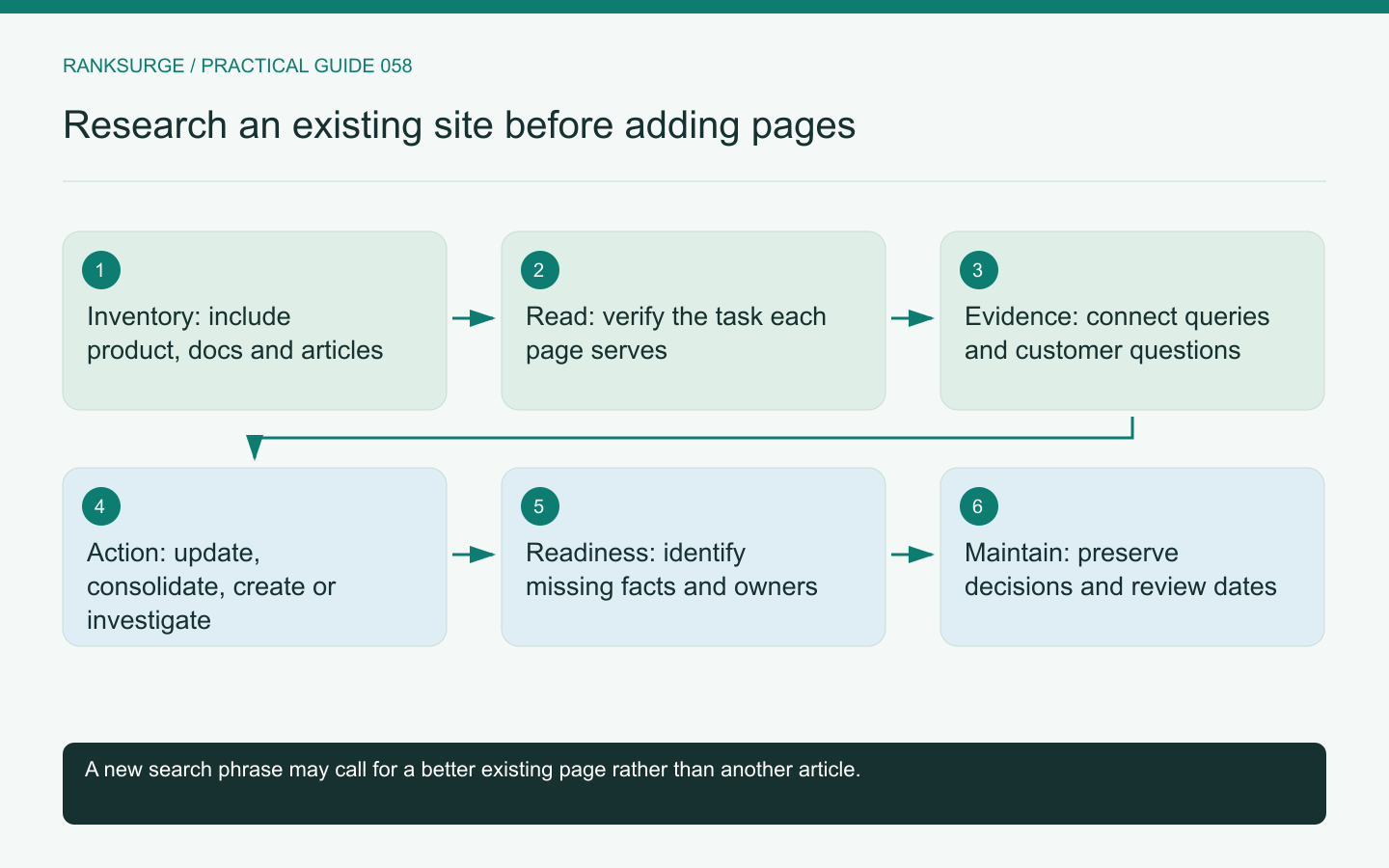
Research keywords for an established site by mapping current page purposes, customer questions and performance evidence before commissioning more articles.
Read post
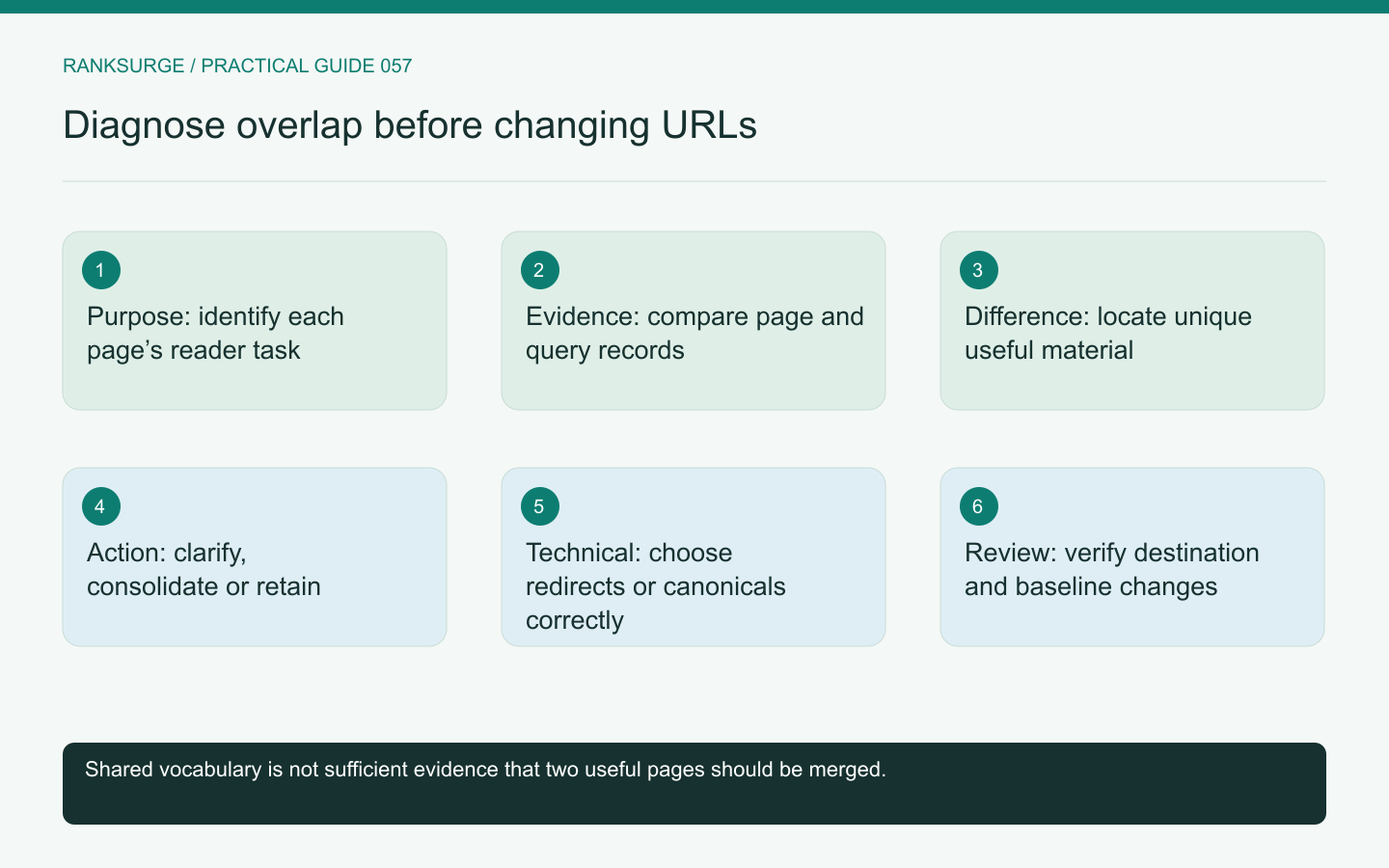
Diagnose keyword cannibalization by comparing page purposes, query evidence and landing-page behavior before merging or redirecting useful content.
Read post
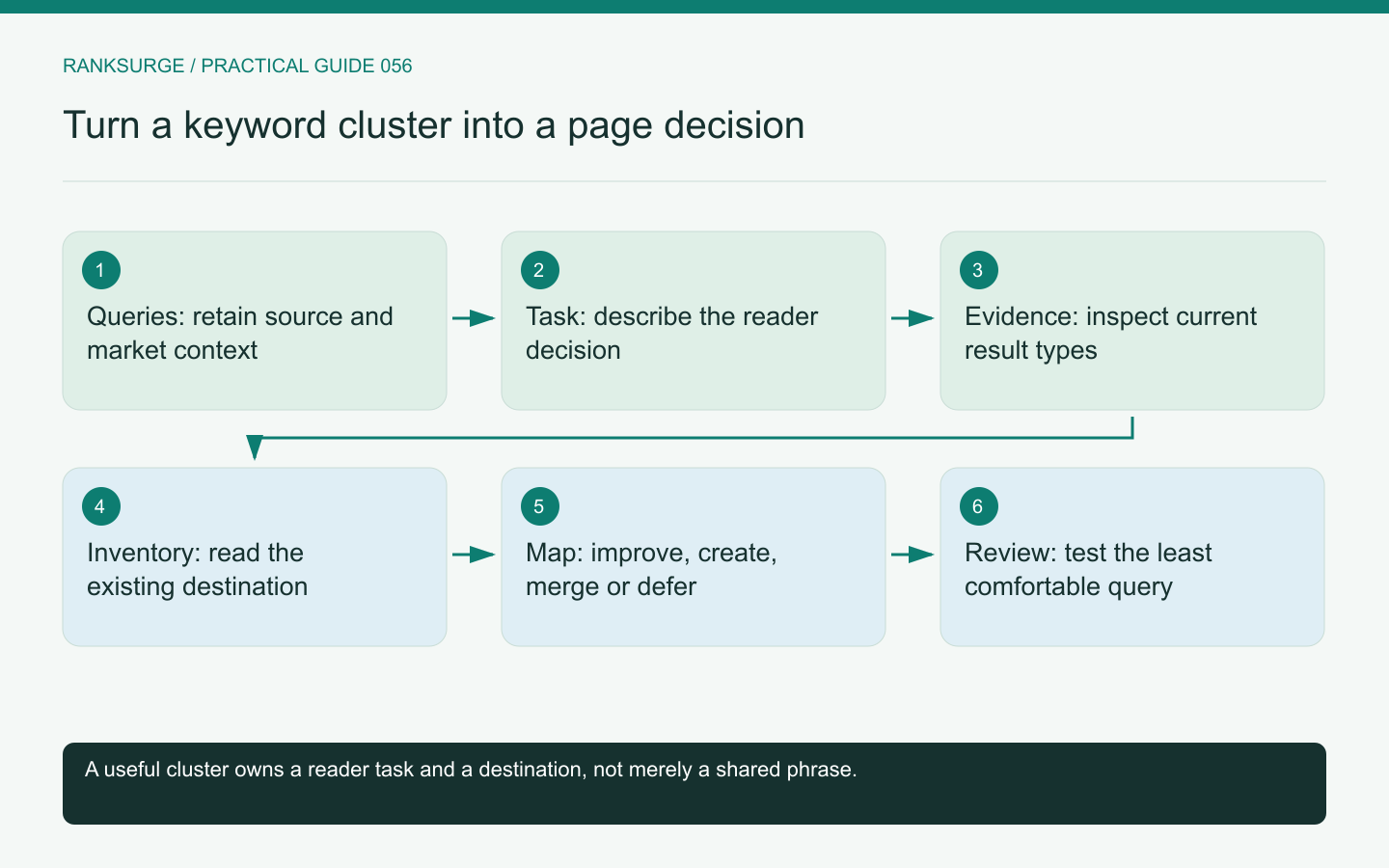
Map keyword clusters to distinct reader decisions, choose the right existing or new page and preserve exceptions before assigning writing work.
Read post
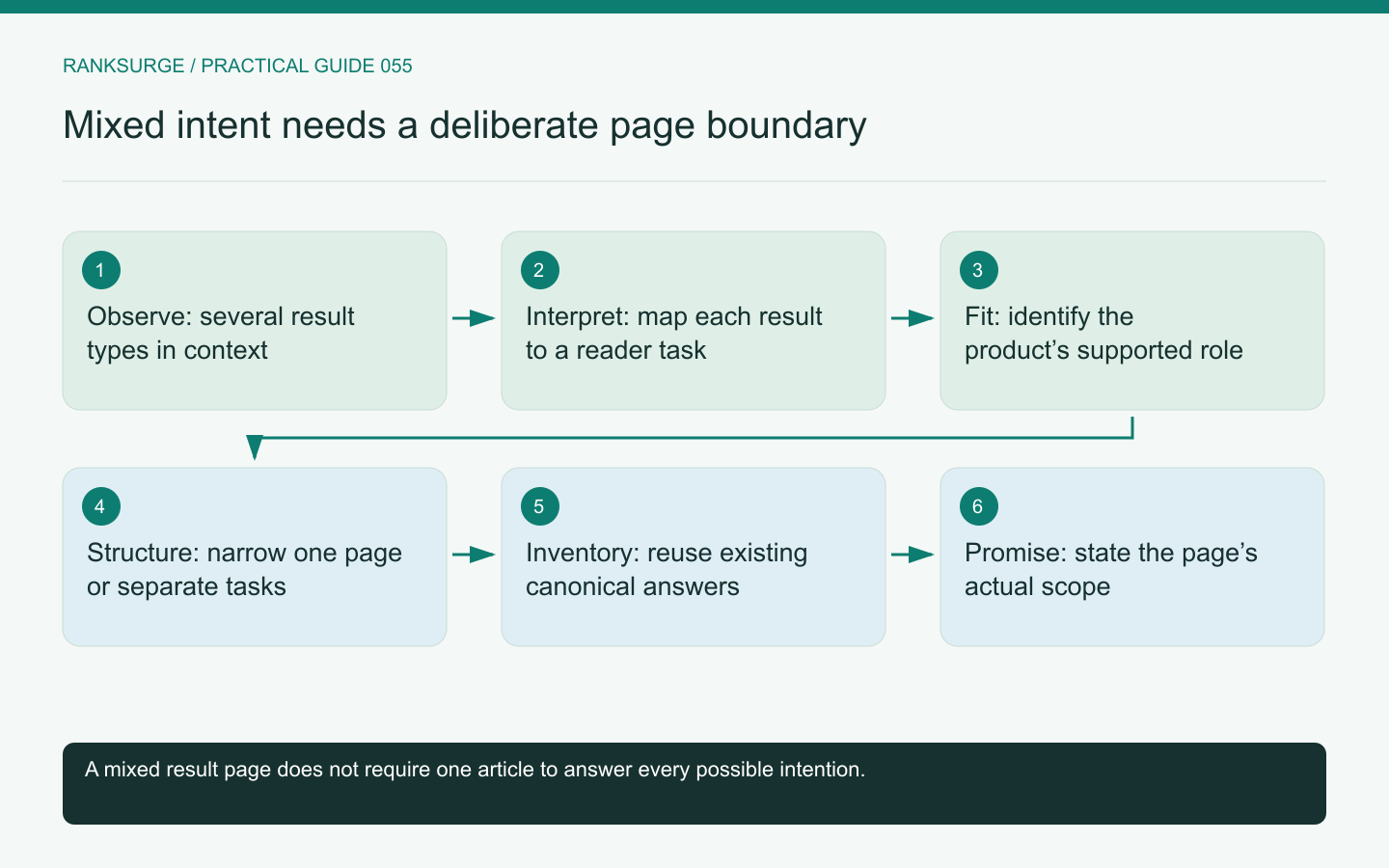
Review mixed-intent search results by separating reader tasks, matching page formats and deciding when one page cannot honestly answer the whole query.
Read post
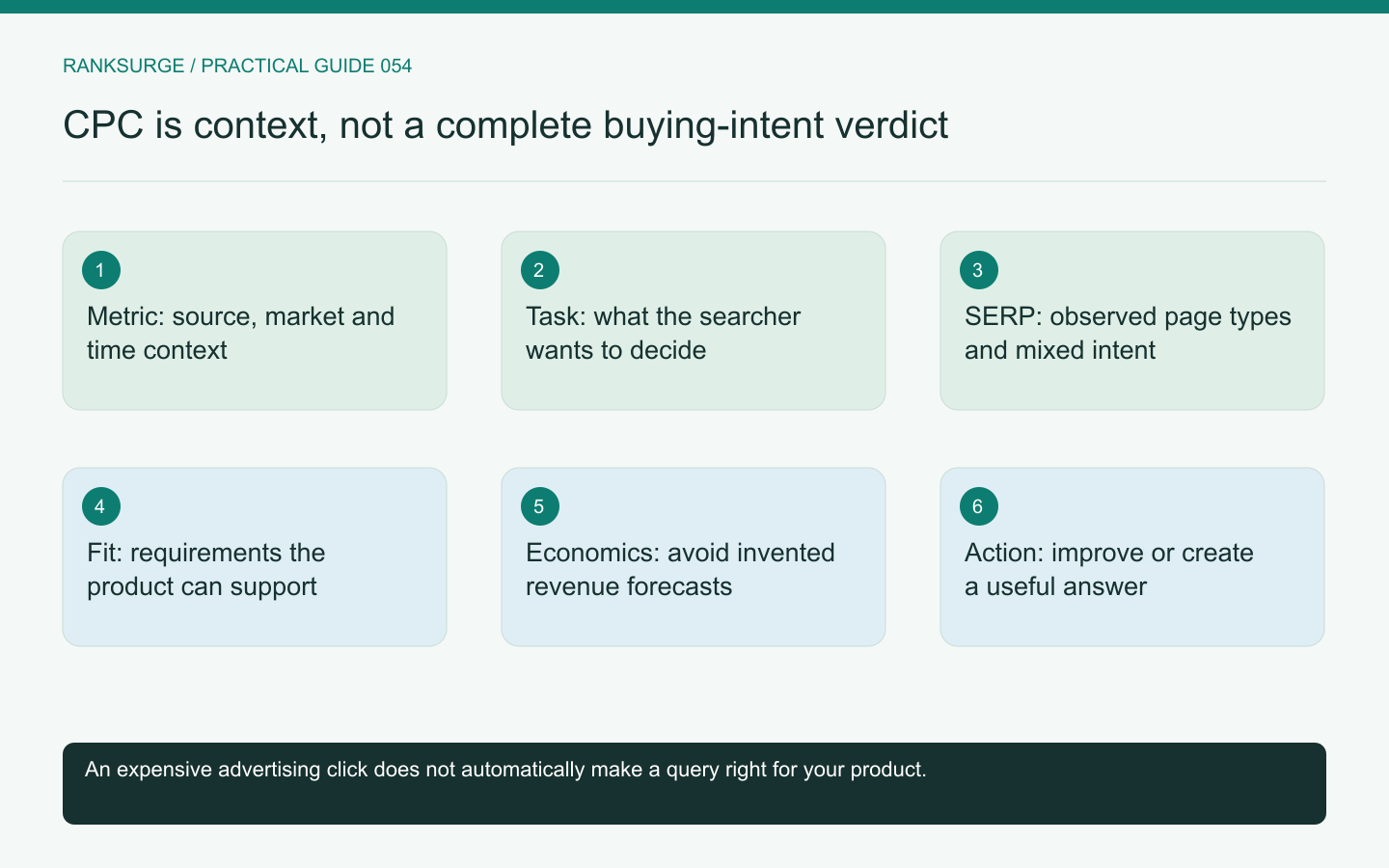
Use keyword CPC as advertising context while checking organic search intent, customer fit and the page decision your product can support.
Read post
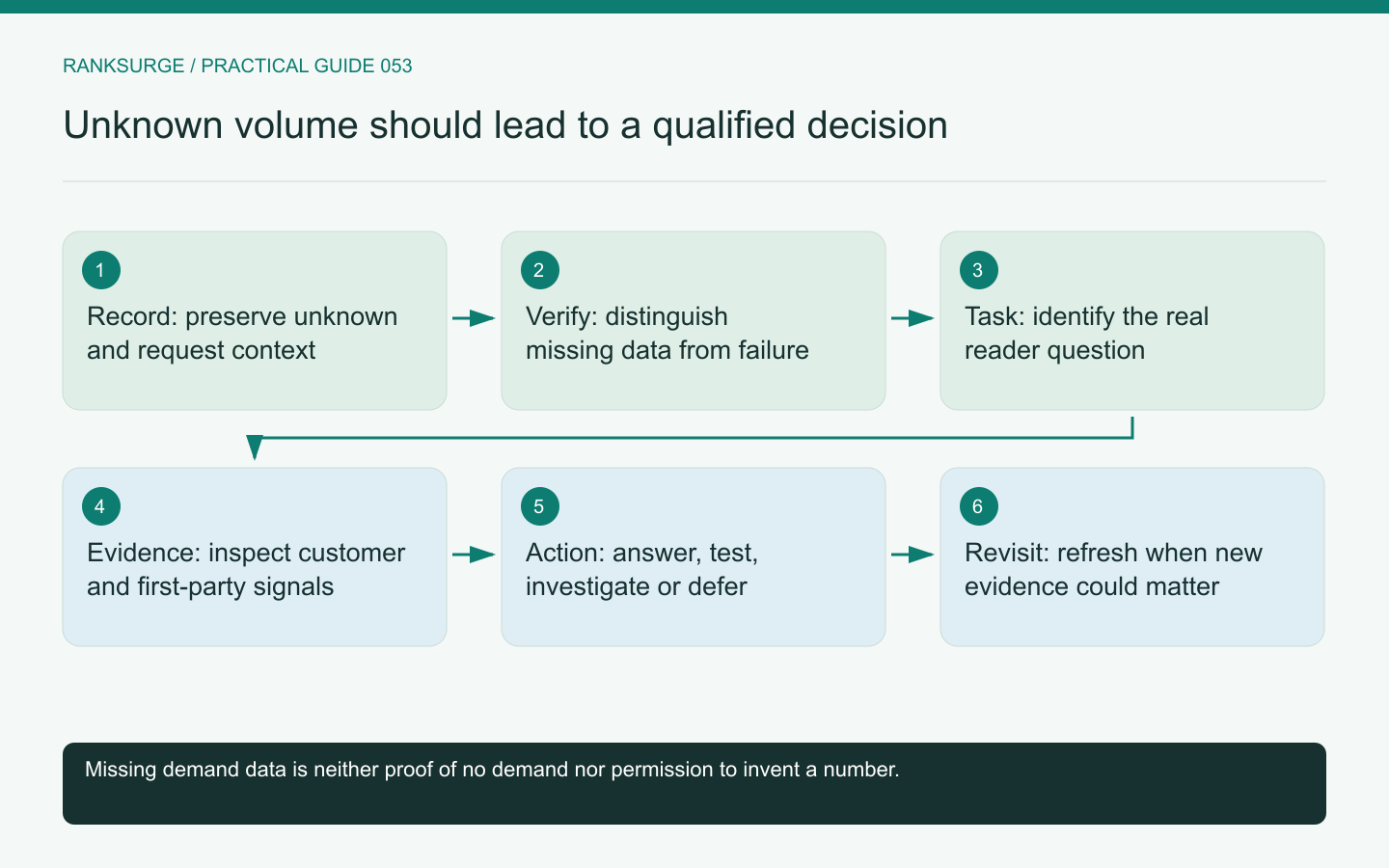
Handle unknown keyword volume by preserving missingness, checking source scope and using customer and page evidence without inventing demand estimates.
Read post
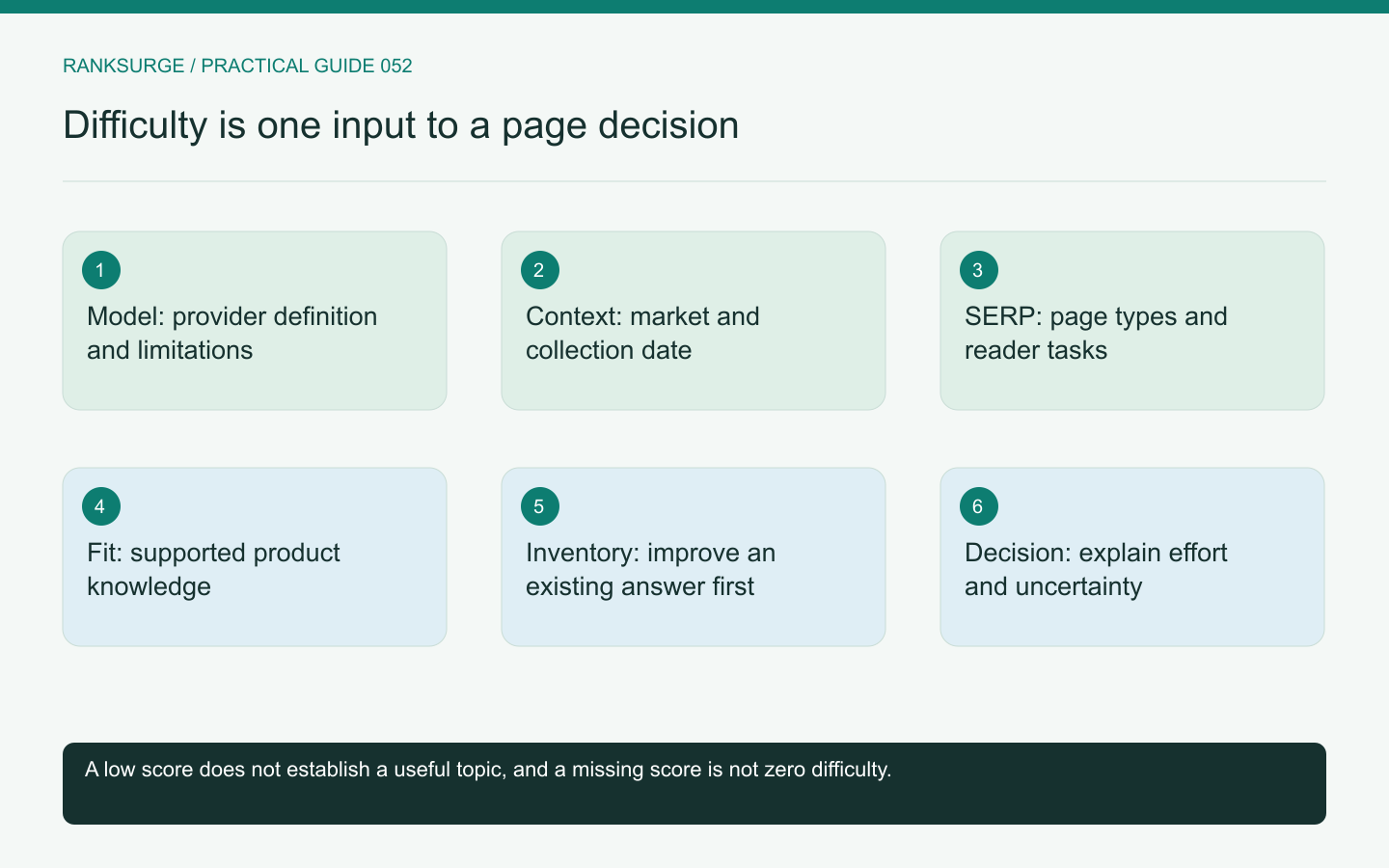
Use keyword difficulty scores as a screening tool while reviewing the actual search results, product fit and evidence needed for a useful page.
Read post
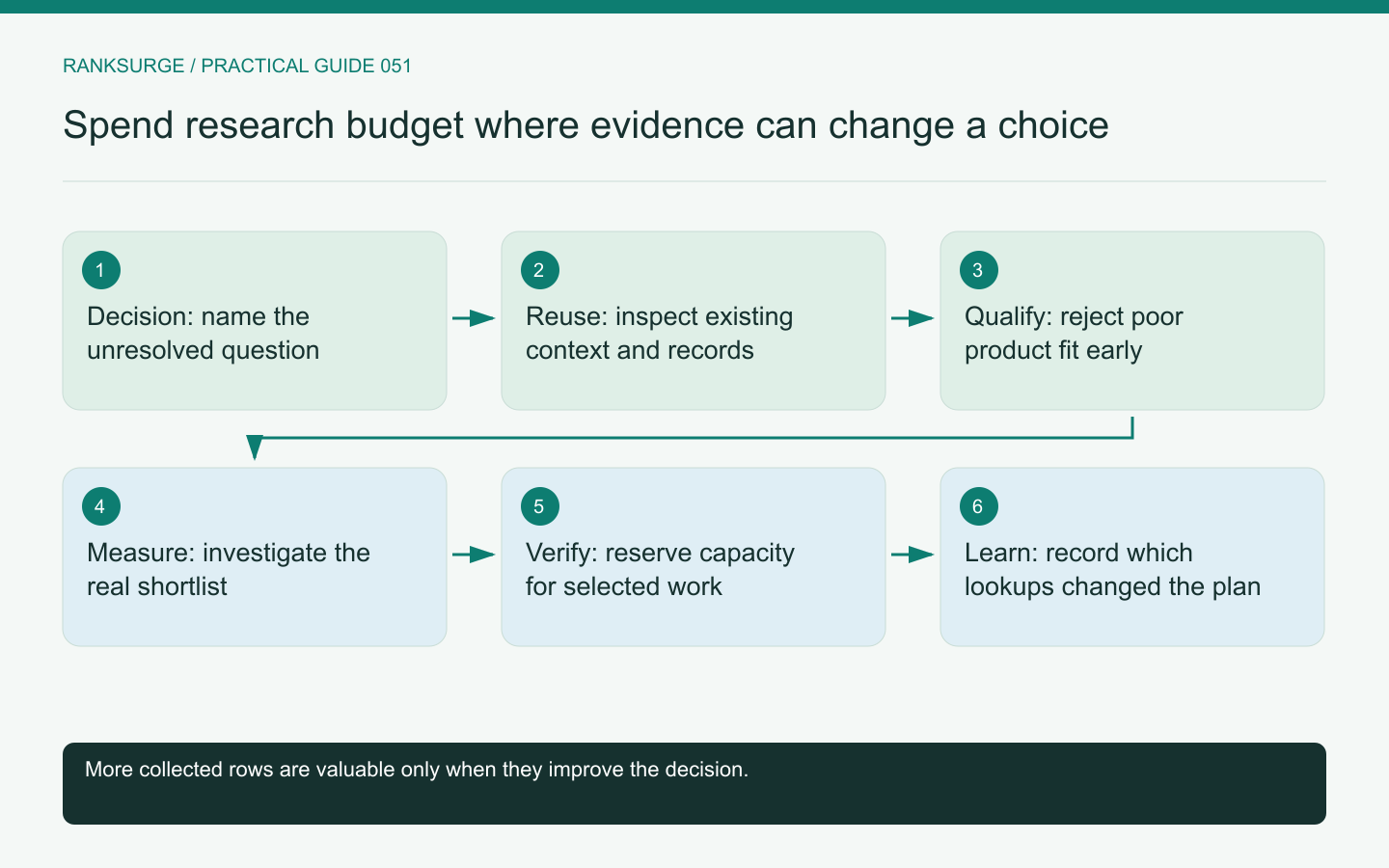
Allocate an SEO research budget by identifying the next decision, reusing valid evidence and spending paid lookups only where they can change the plan.
Read post
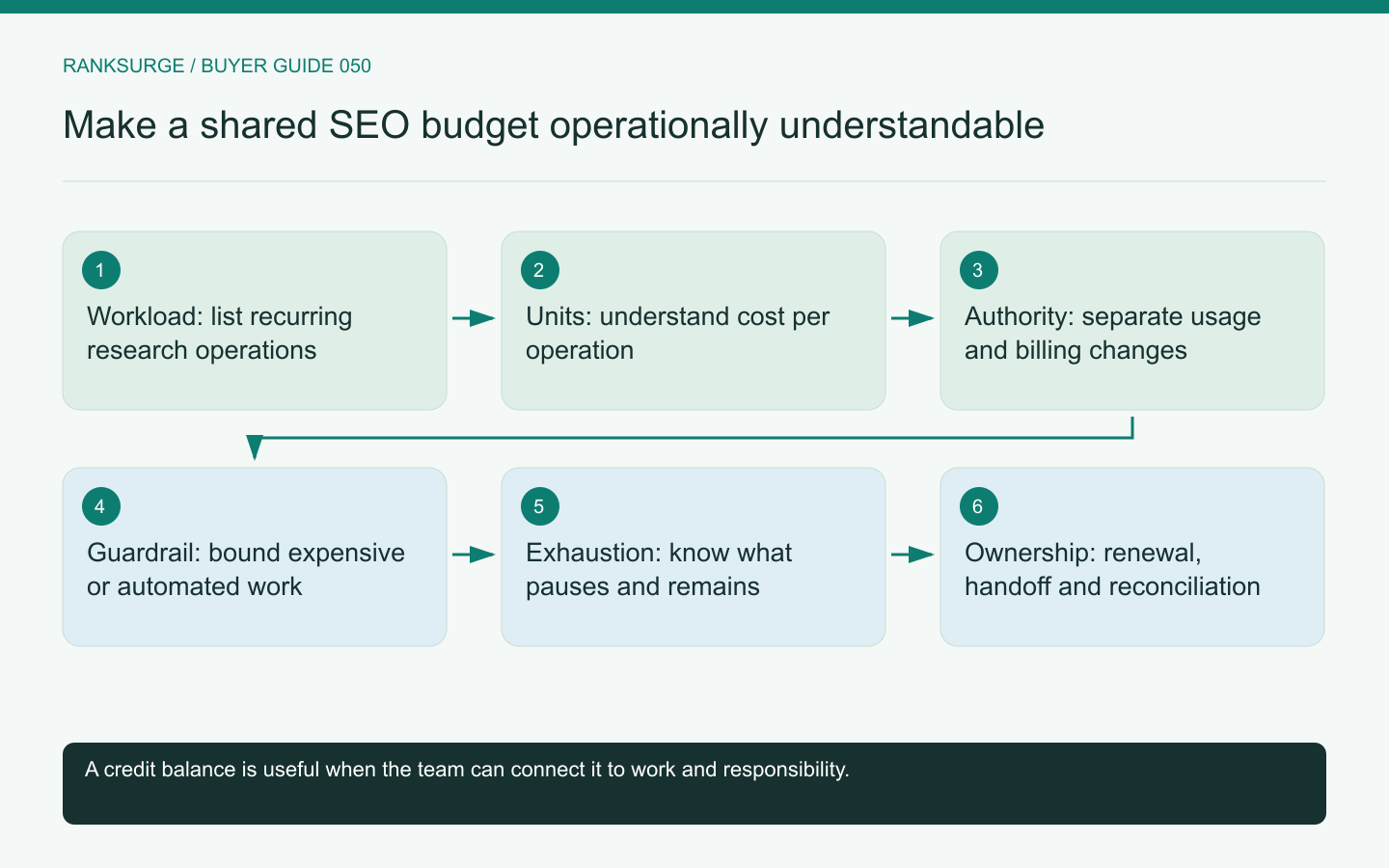
Evaluate SEO platform billing controls with shared usage, operation costs, owner responsibilities and a controlled exhaustion-and-renewal scenario.
Read post
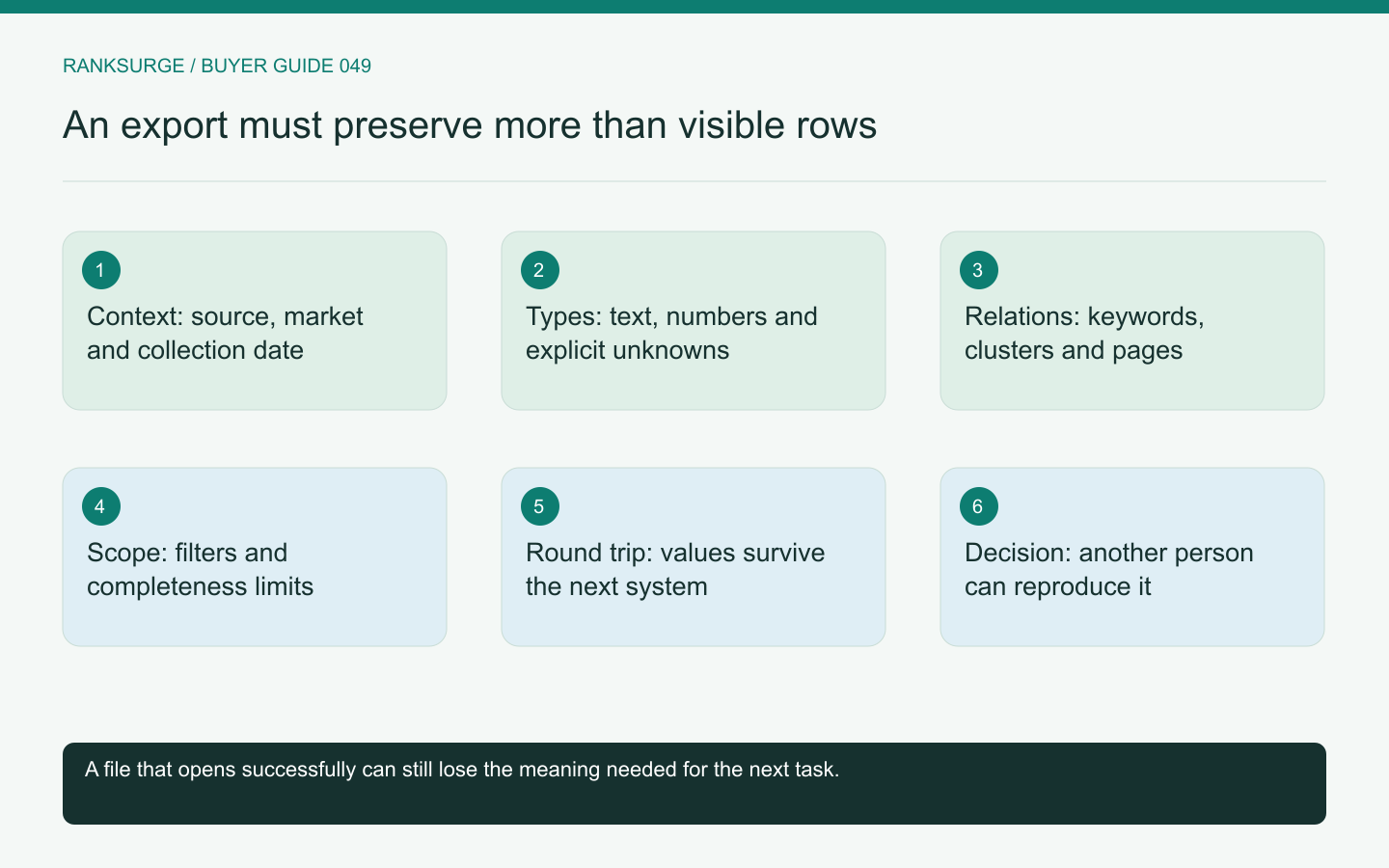
Compare SEO research export formats with a practical round-trip test for identifiers, metric context, missing values and reproducible page decisions.
Read post
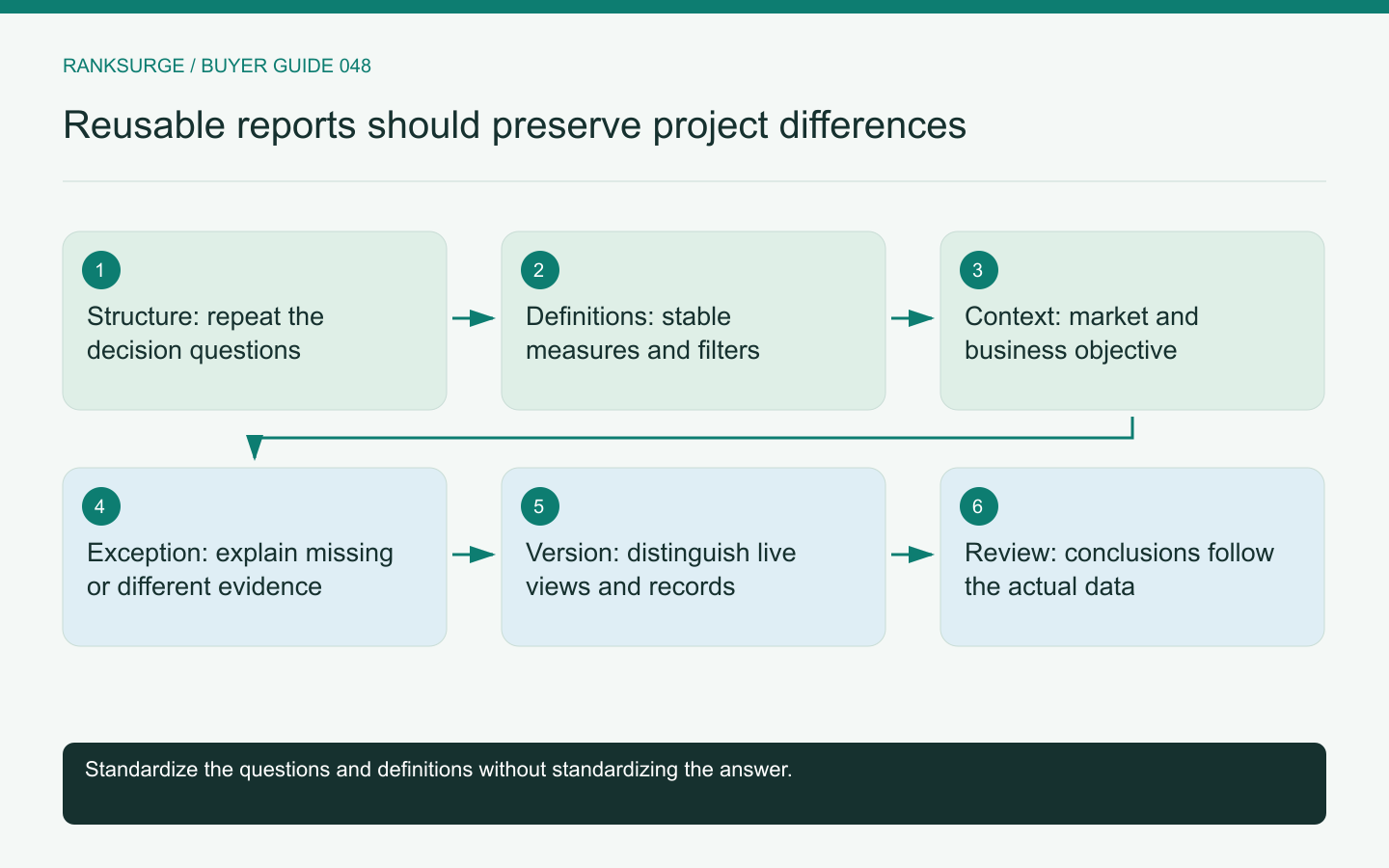
Evaluate SEO report template tools by testing reusable definitions, legitimate project differences, missing data and versioned changes to the report structure.
Read post
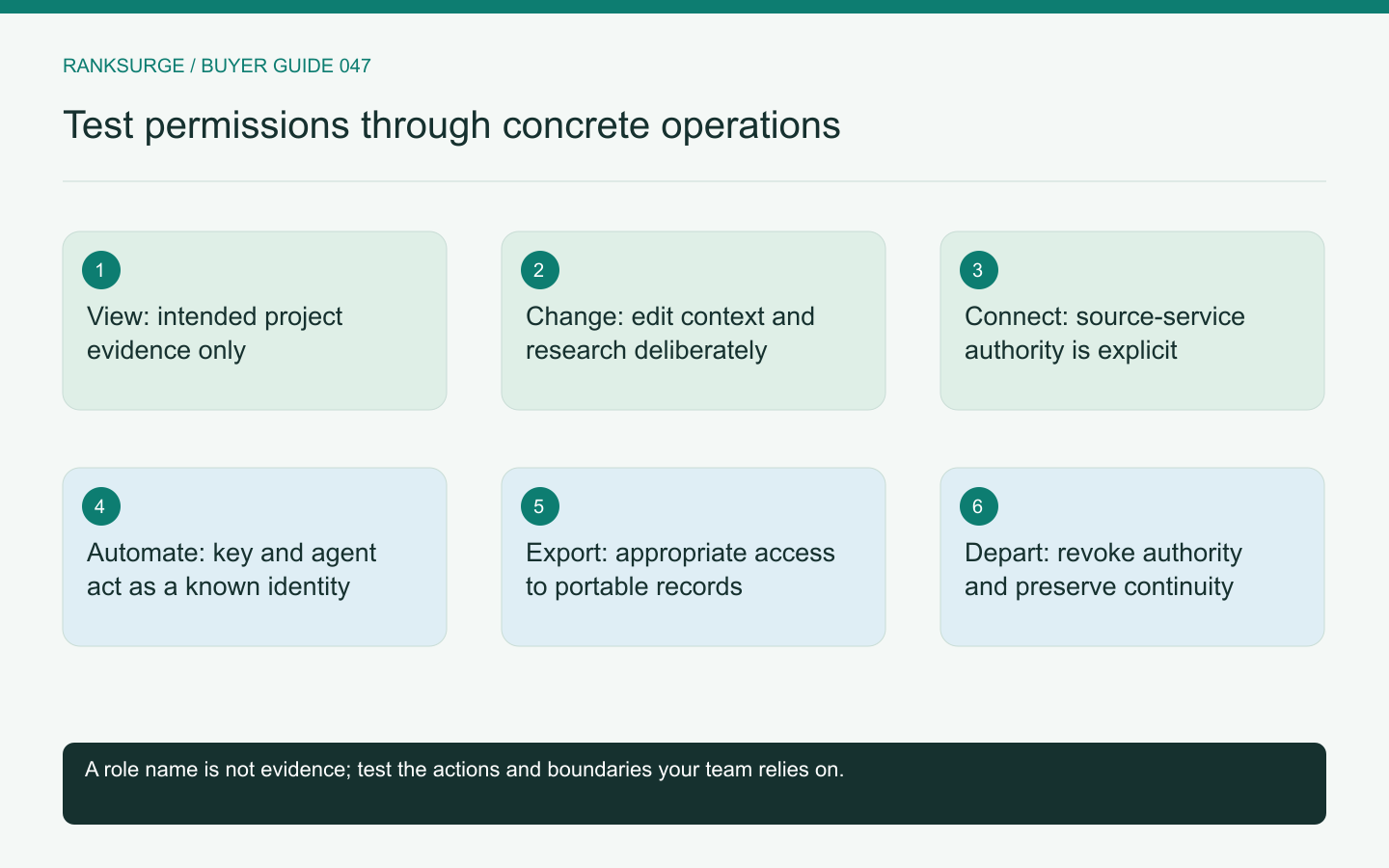
Compare SEO tool team permissions by testing concrete actions, project boundaries, personal API credentials and the departure of an account owner.
Read post
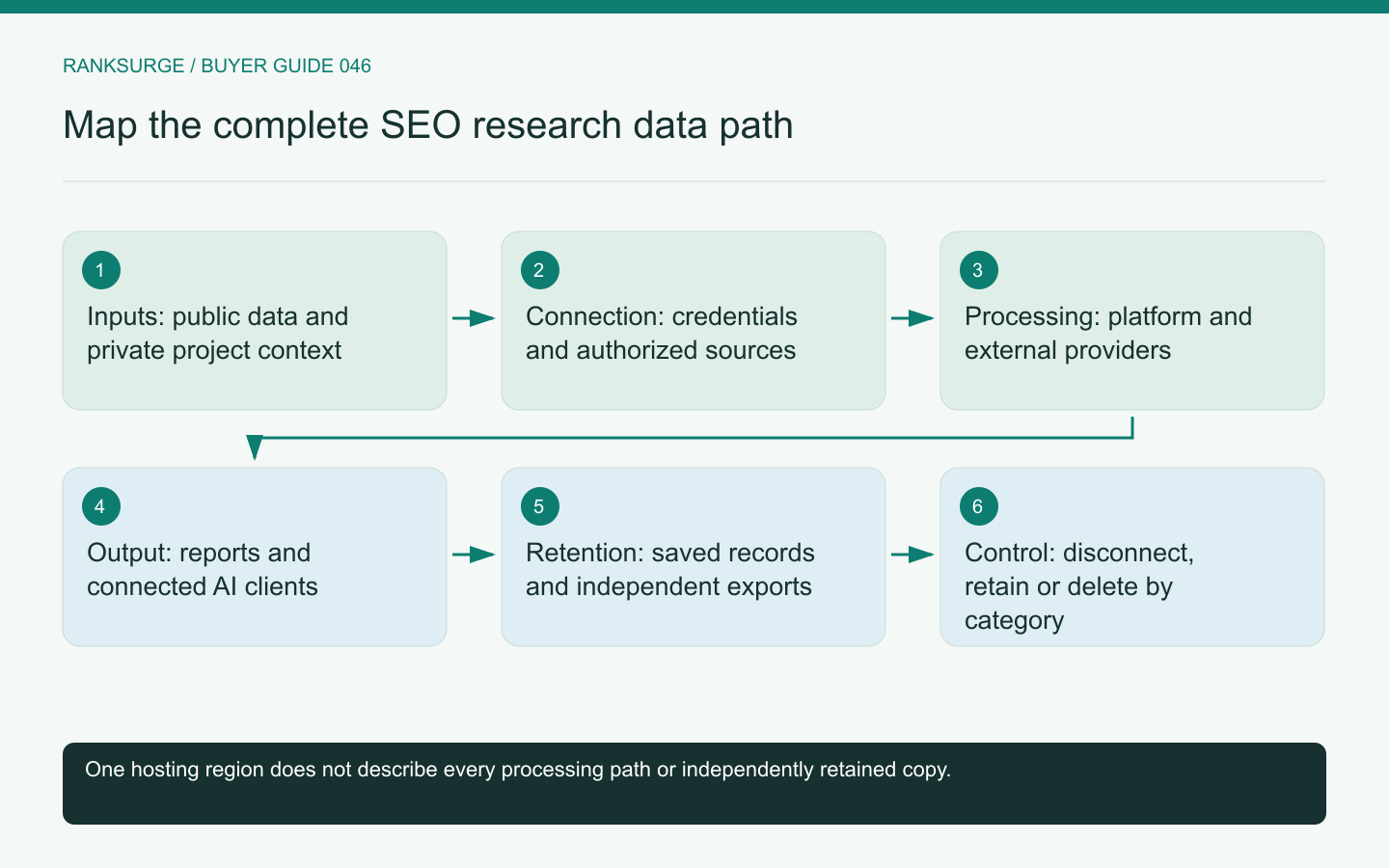
Evaluate SEO tool data residency by mapping public research, connected account data, saved reports, AI-client transfers and independently retained exports.
Read post
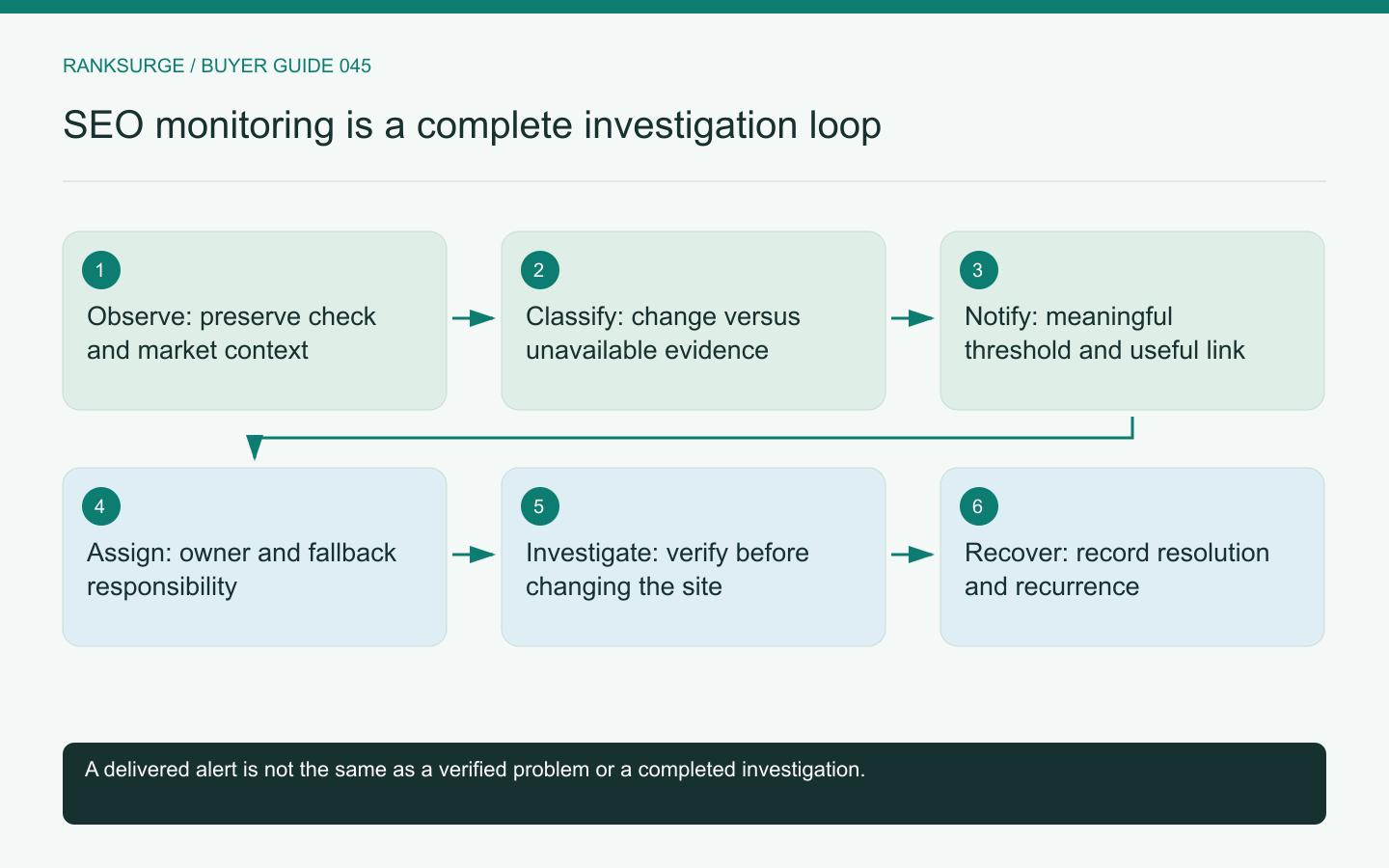
Evaluate SEO monitoring integrations with actionable alert context, missed-data detection, ownership and recovery after notification failures.
Read post
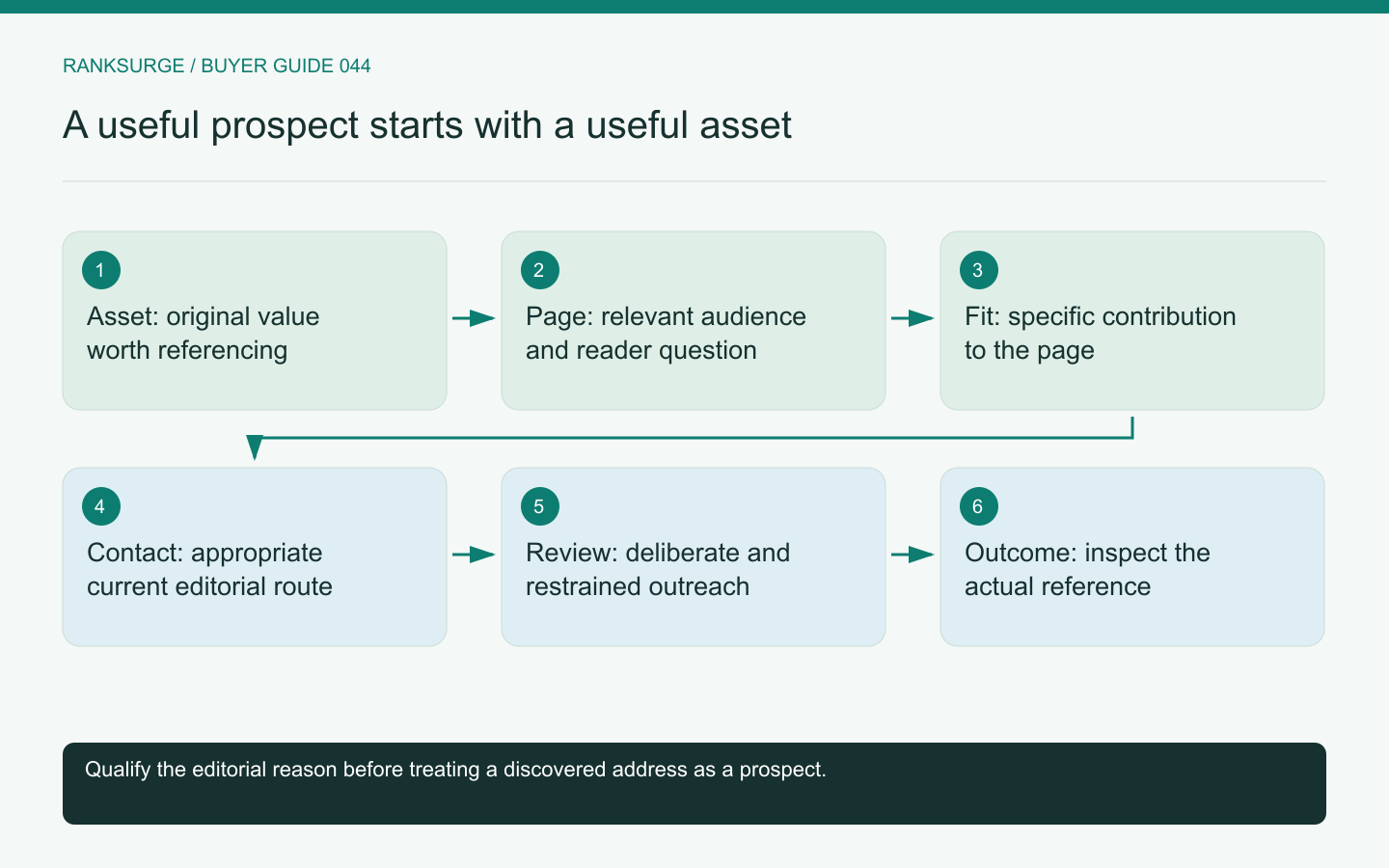
Compare backlink prospecting software using page relevance, editorial fit, contact accuracy and human review rather than raw prospect or email counts.
Read post
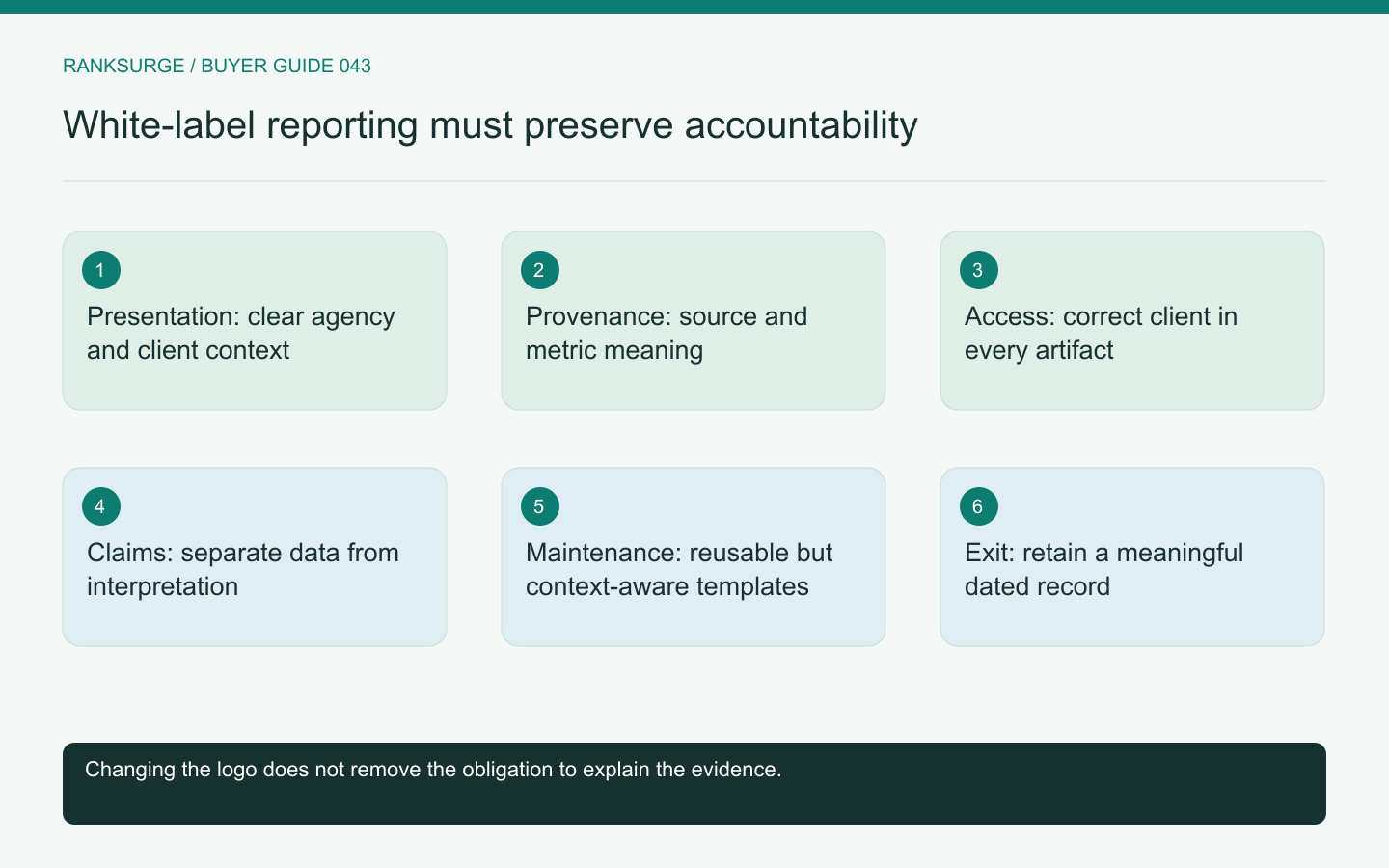
Evaluate white-label SEO reporting by checking responsibility, data provenance, client permissions and what remains portable after the engagement ends.
Read post
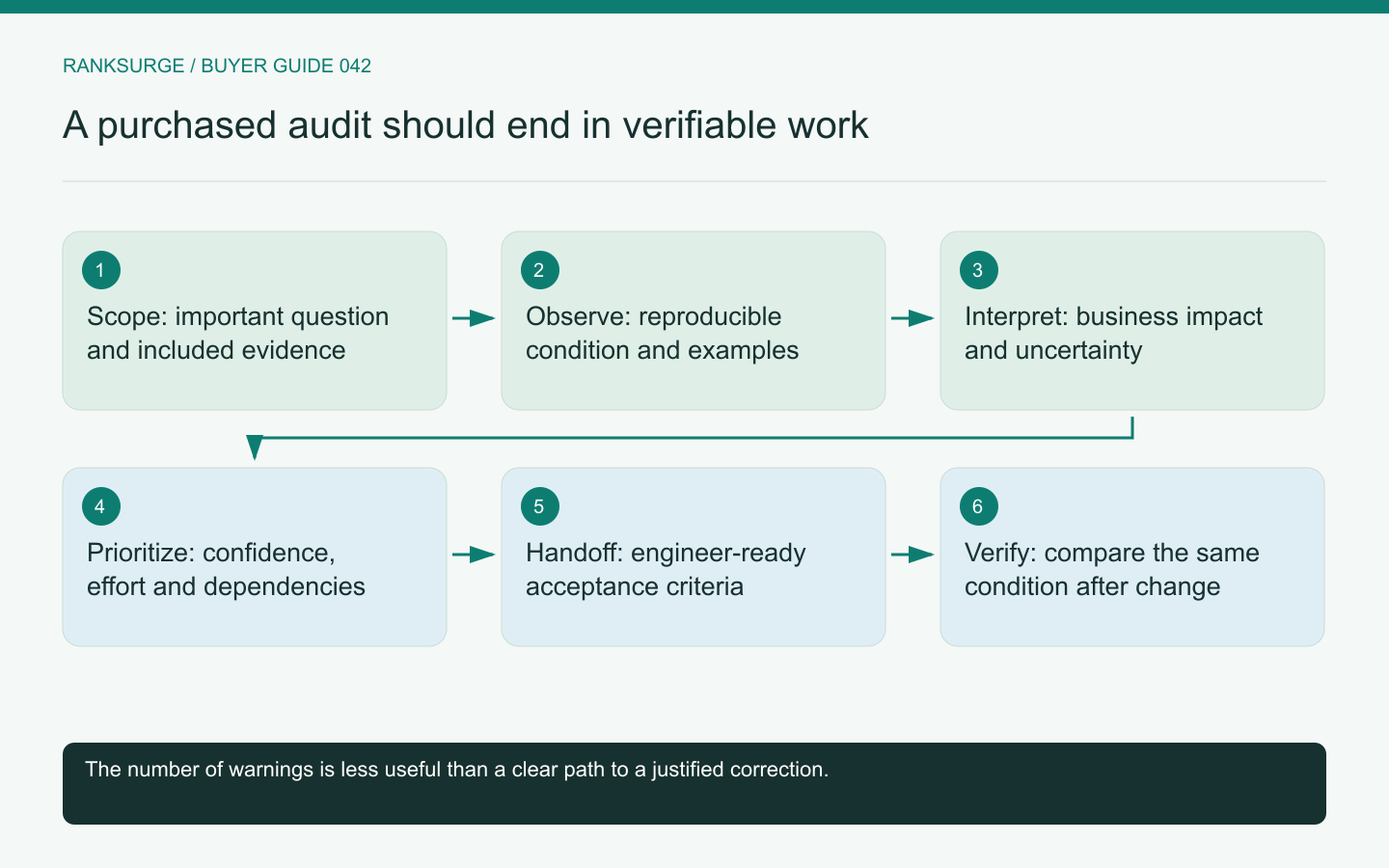
Define the deliverables for a purchased SEO audit with evidence, scope, priorities and an engineering handoff that can be verified after corrections.
Read post
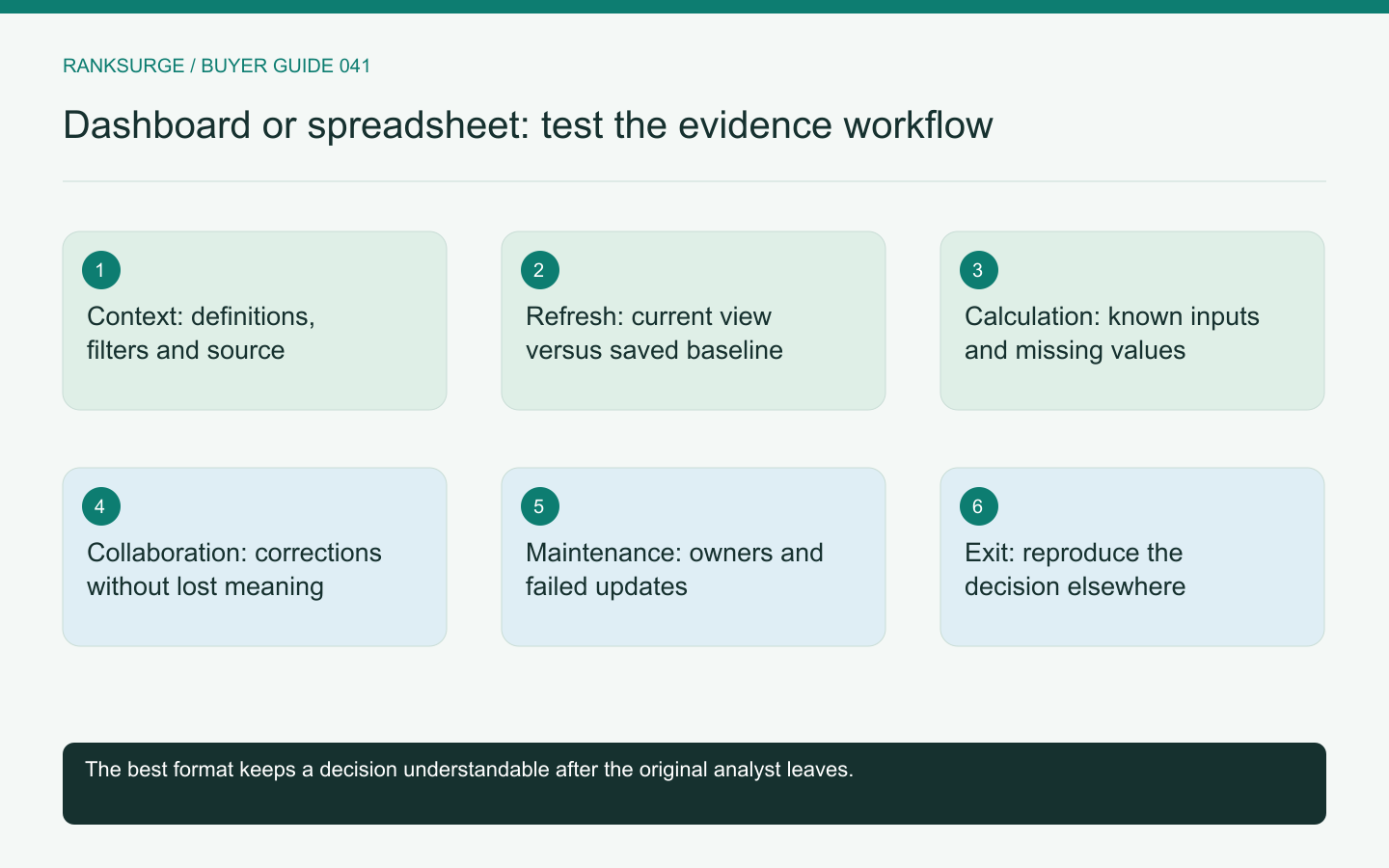
Compare SEO dashboards and spreadsheets by testing context preservation, repeatable calculations, collaboration and the cost of keeping evidence current.
Read post
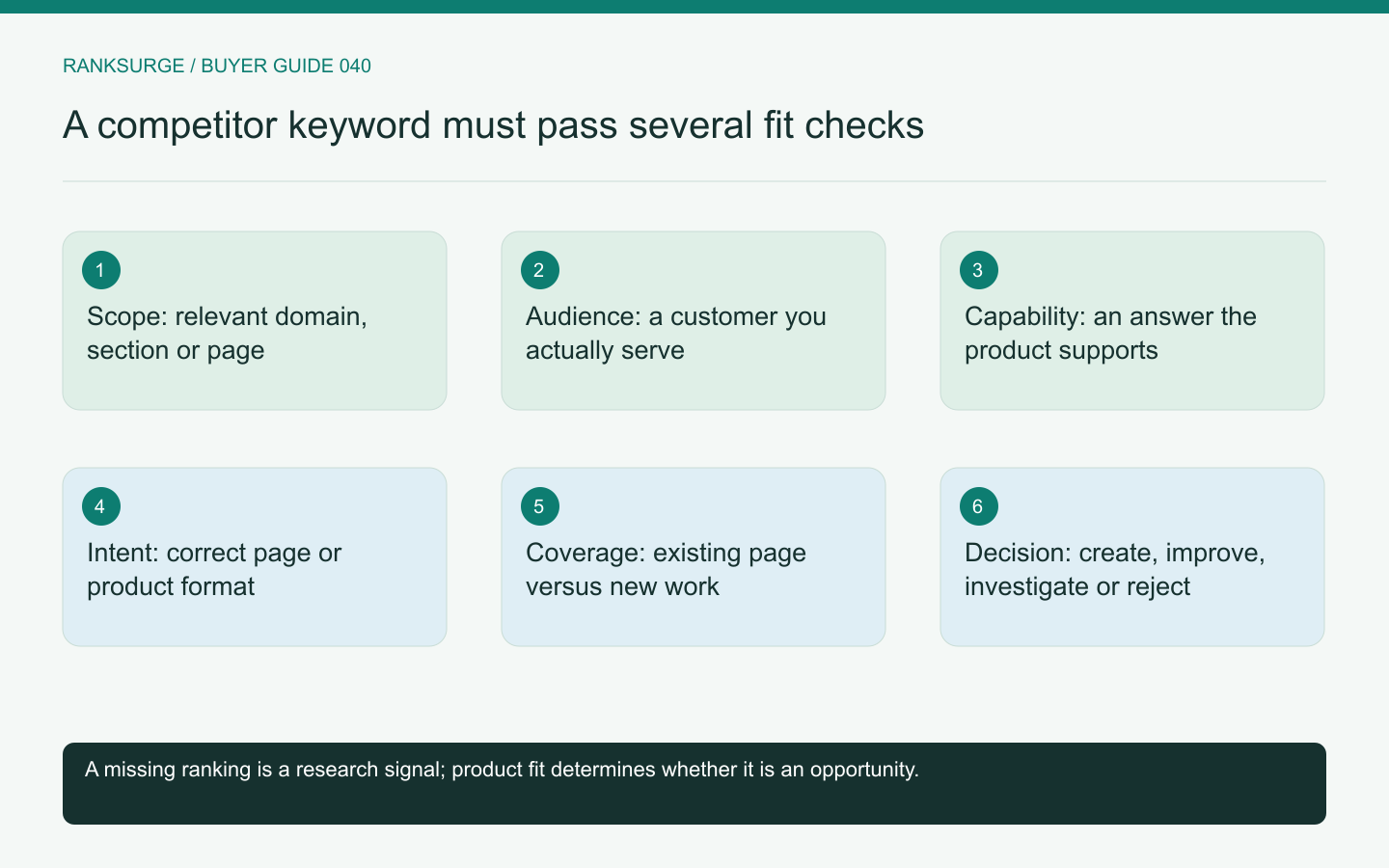
Evaluate content gap tools by filtering competitor keywords through product fit, page intent and existing coverage before creating a publishing backlog.
Read post
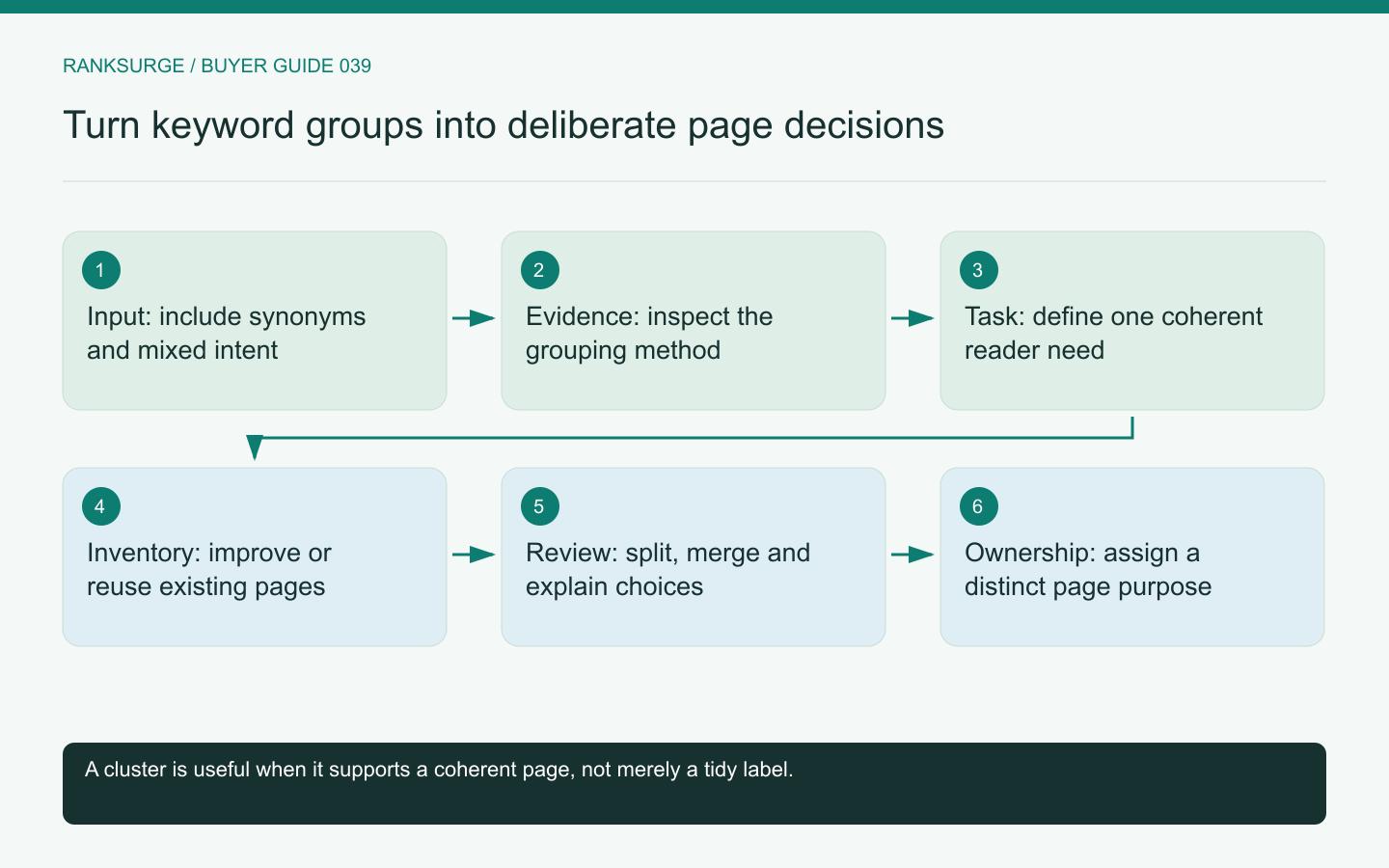
Compare keyword clustering software by testing page decisions, mixed intent, existing-page coverage and the evidence behind proposed groups.
Read post
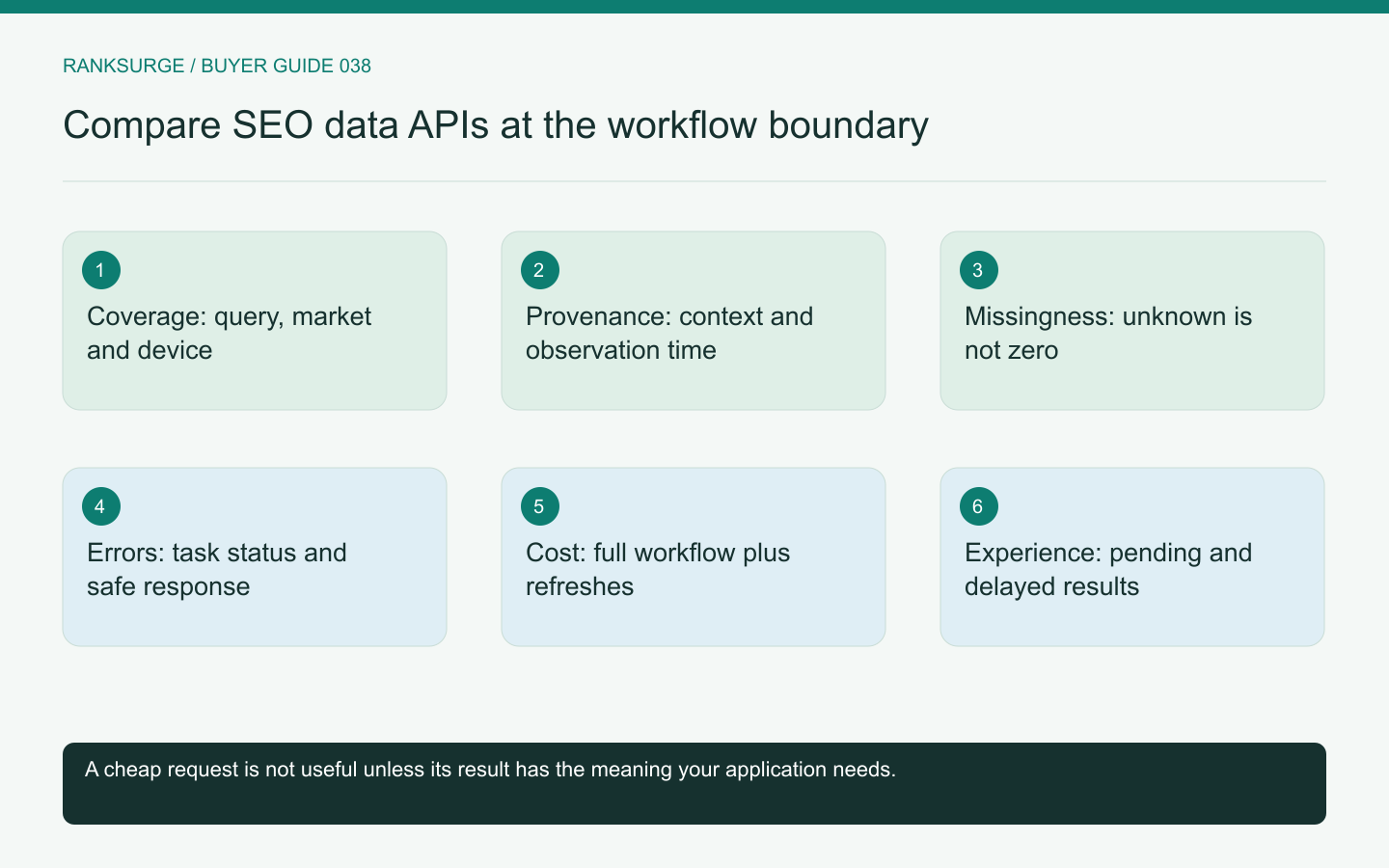
Evaluate SEO data API vendors with a fixed query fixture, provenance fields, endpoint-level errors and a realistic cost model for retries and refreshes.
Read post
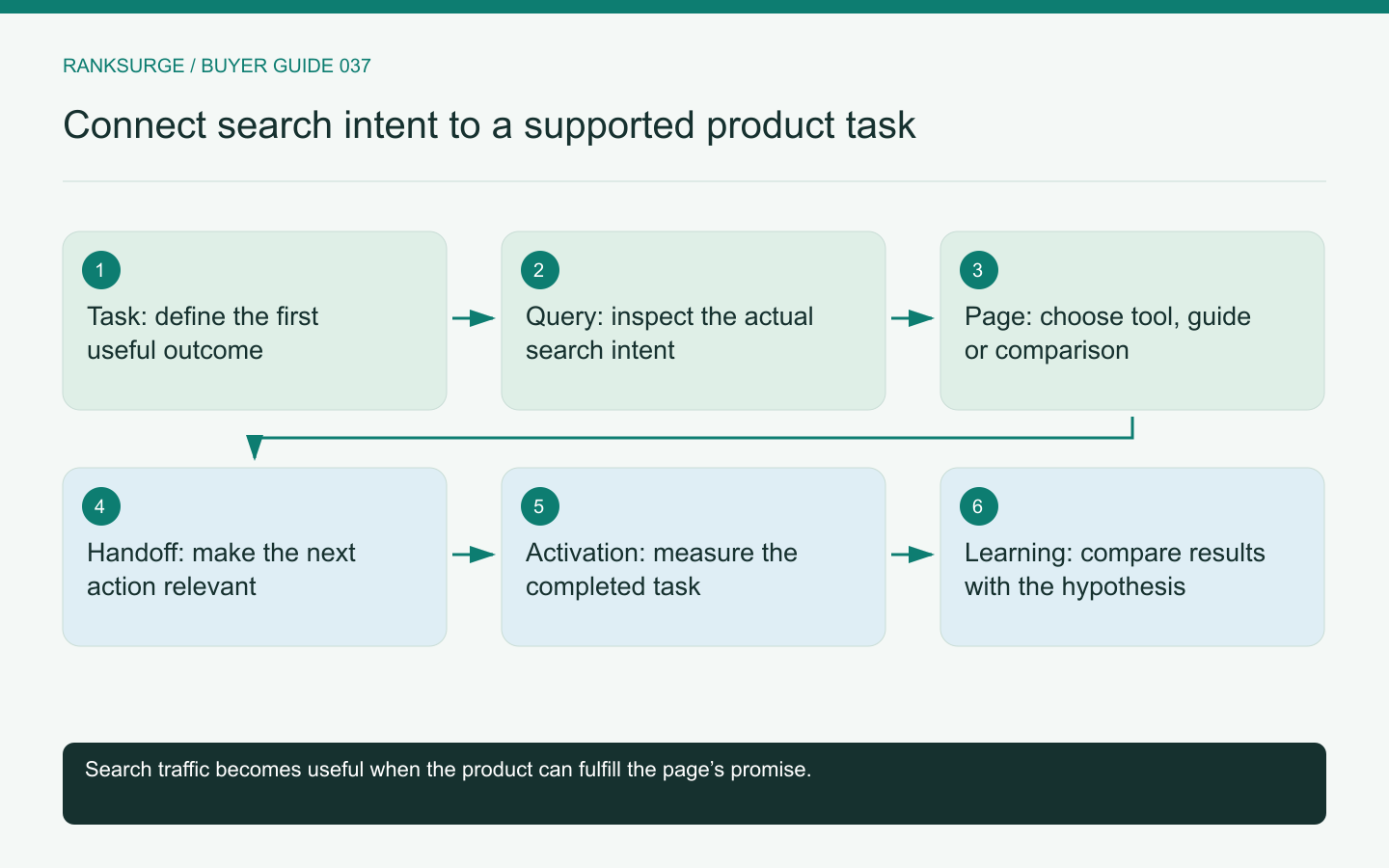
Choose SEO tools for product-led growth by connecting search opportunities to supported product tasks, activation evidence and honest page decisions.
Read post
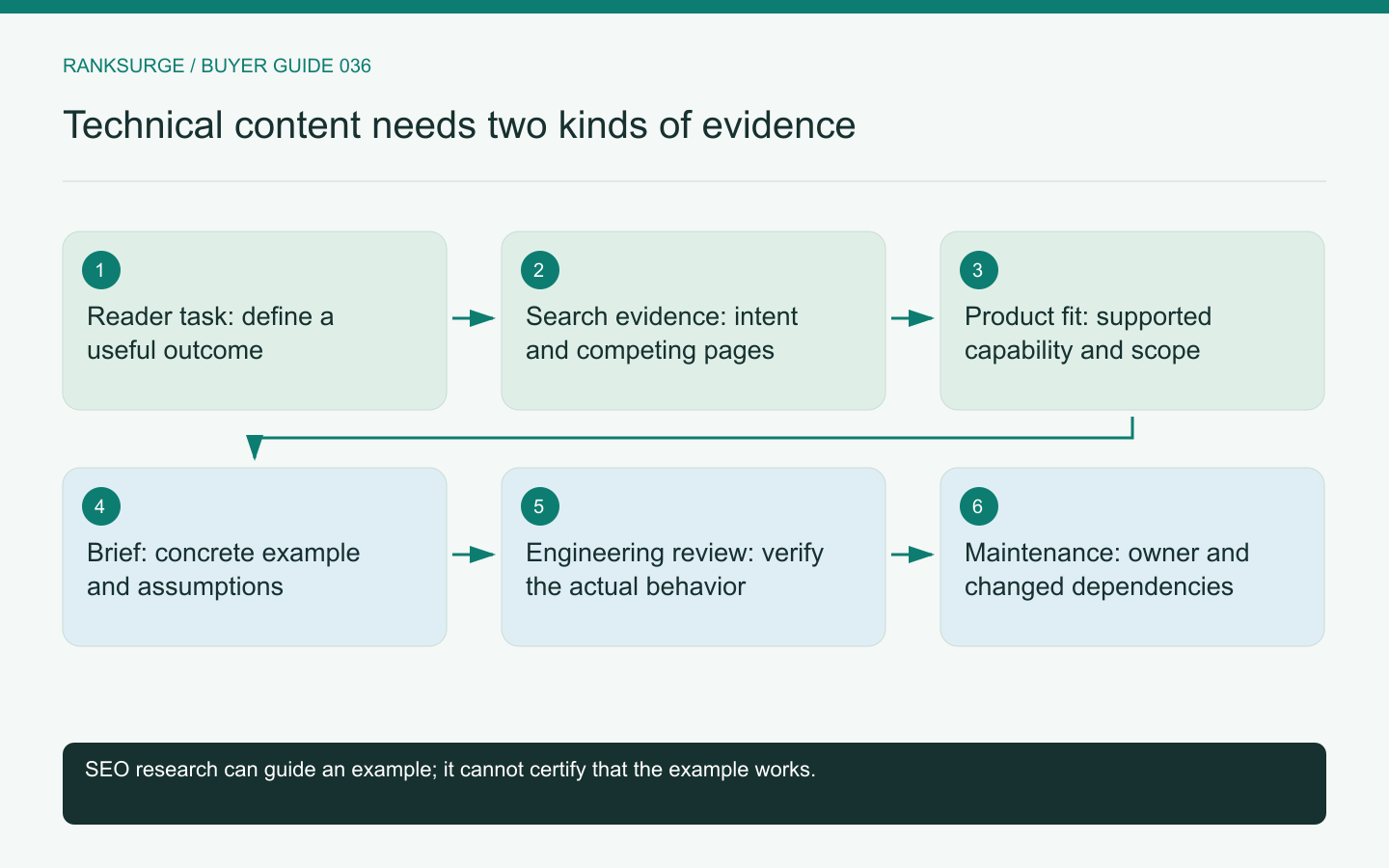
Evaluate SEO tools for technical content teams by tracing a keyword opportunity into a fact-checked brief, engineering review and maintainable page decision.
Read post
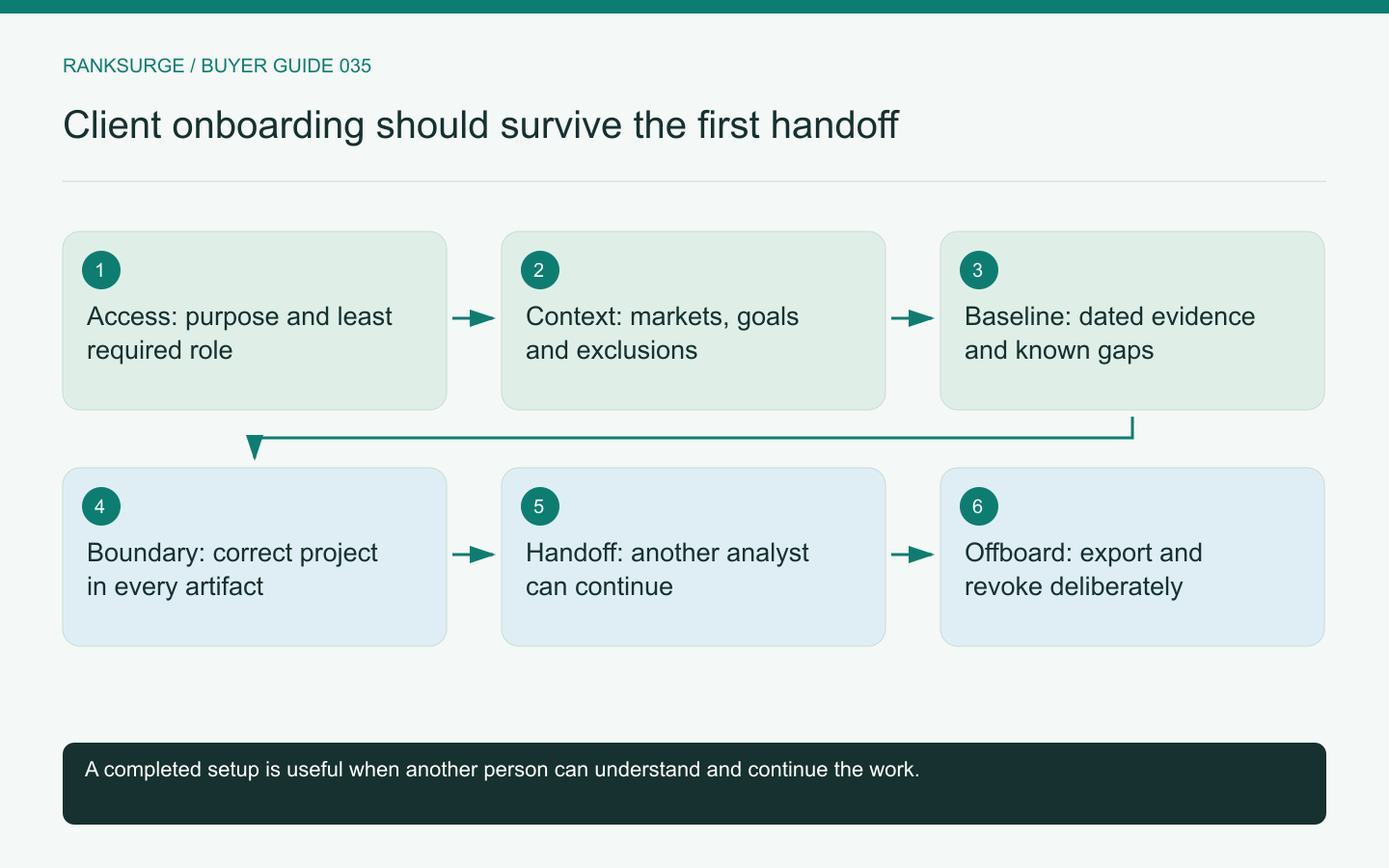
Evaluate SEO tools for client onboarding with access boundaries, baseline capture, project context and an offboarding rehearsal before agency rollout.
Read post
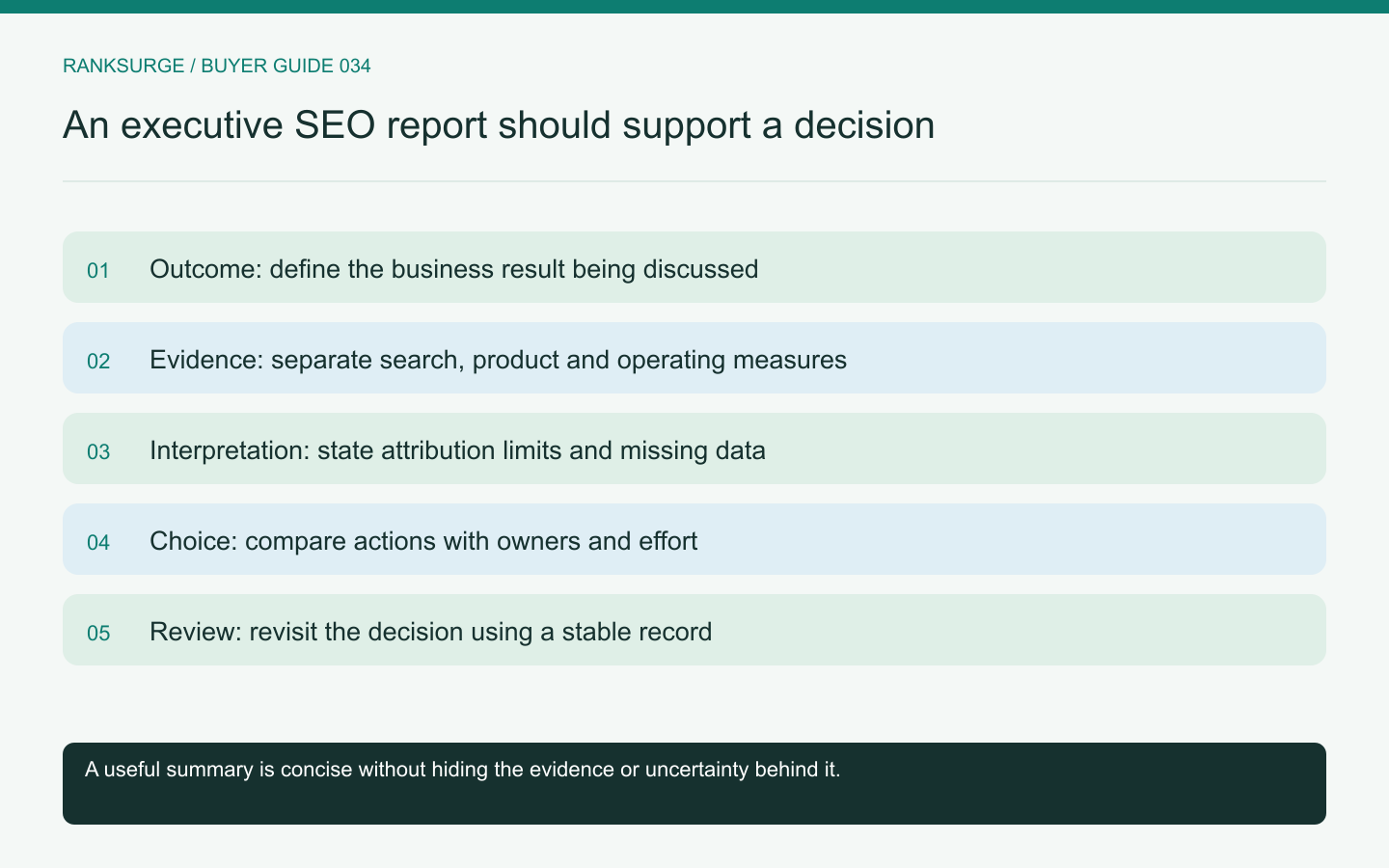
Choose executive SEO reporting tools by testing whether they connect search evidence to decisions, investment choices and clearly stated uncertainty.
Read post
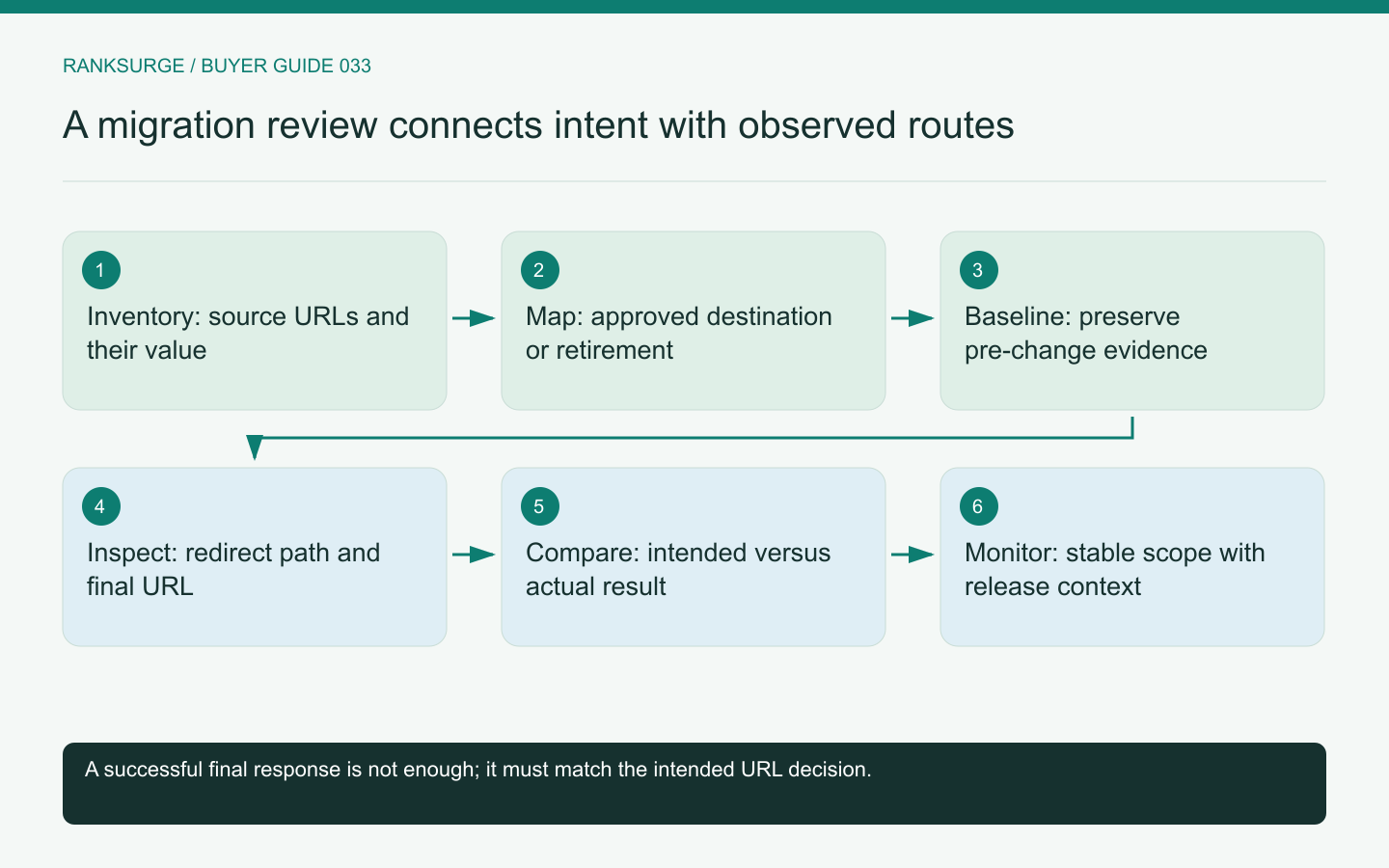
Evaluate SEO tools for website migrations by checking URL mappings, preserved baselines, redirect evidence and post-launch investigation workflows.
Read post
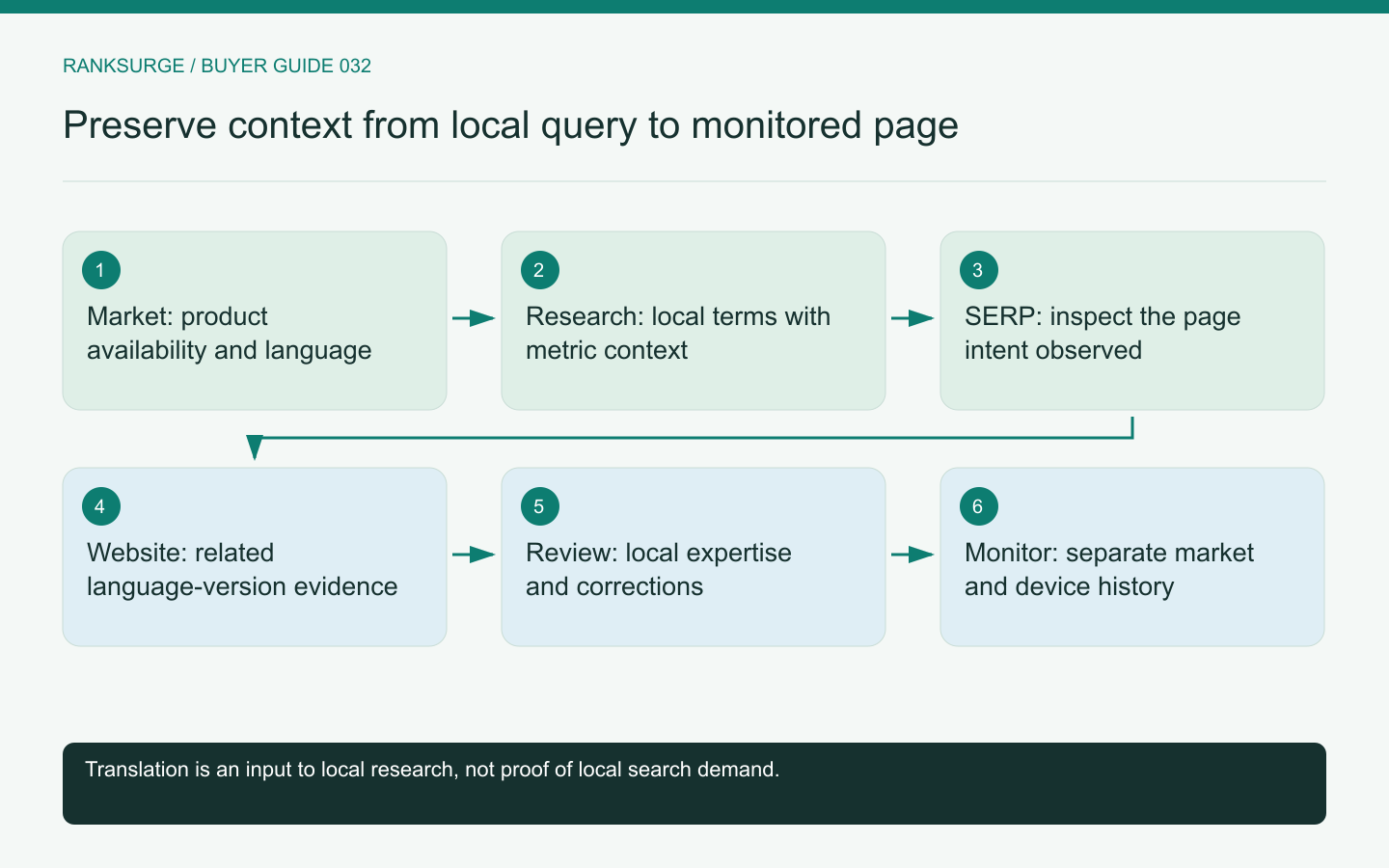
Compare SEO tools for multilingual sites using explicit language, country, URL and search-result contexts instead of translating one keyword list.
Read post
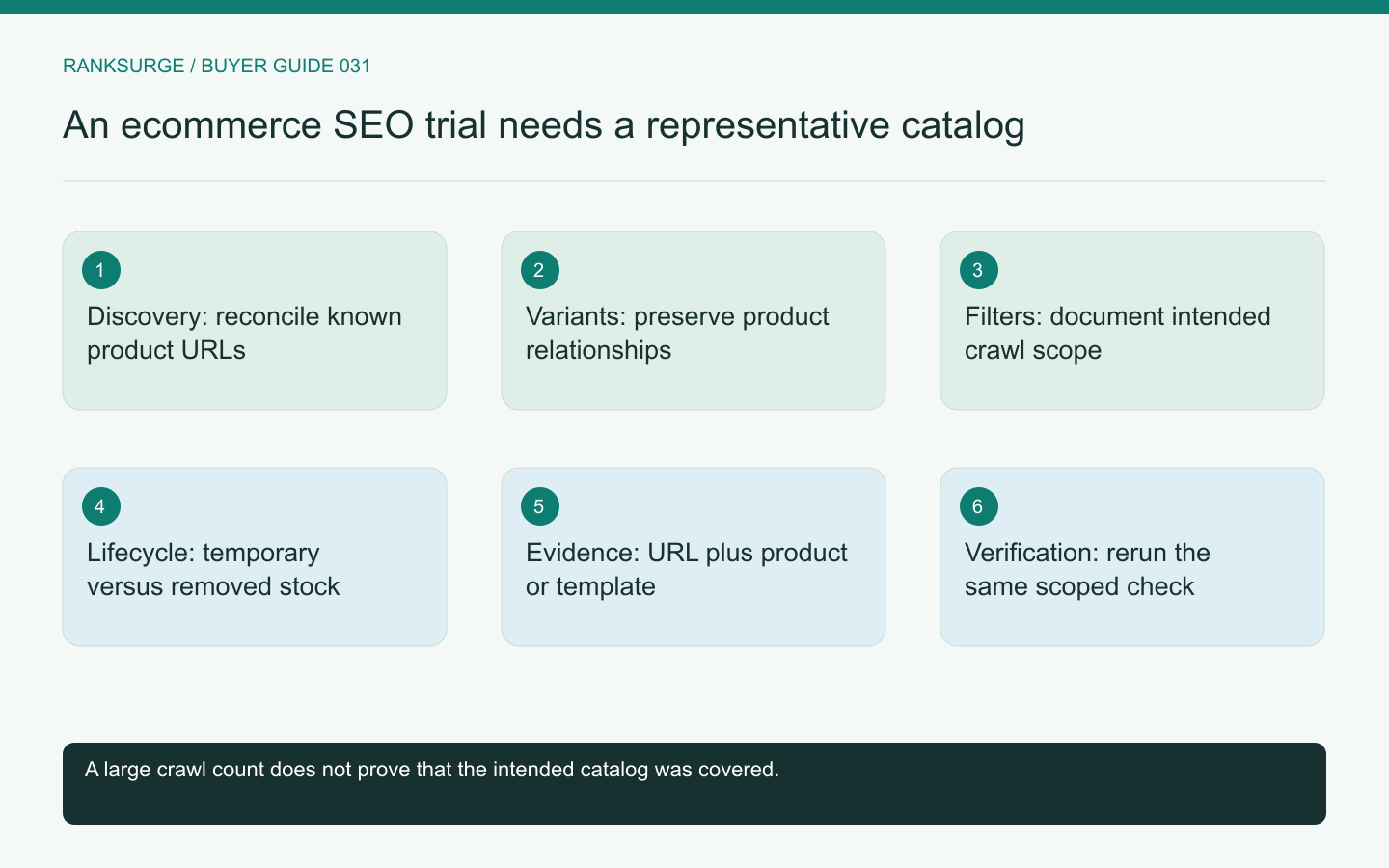
Choose SEO tools for ecommerce catalogs by testing product discovery, variant URLs, stock changes and evidence that can be handed to catalog engineers.
Read post
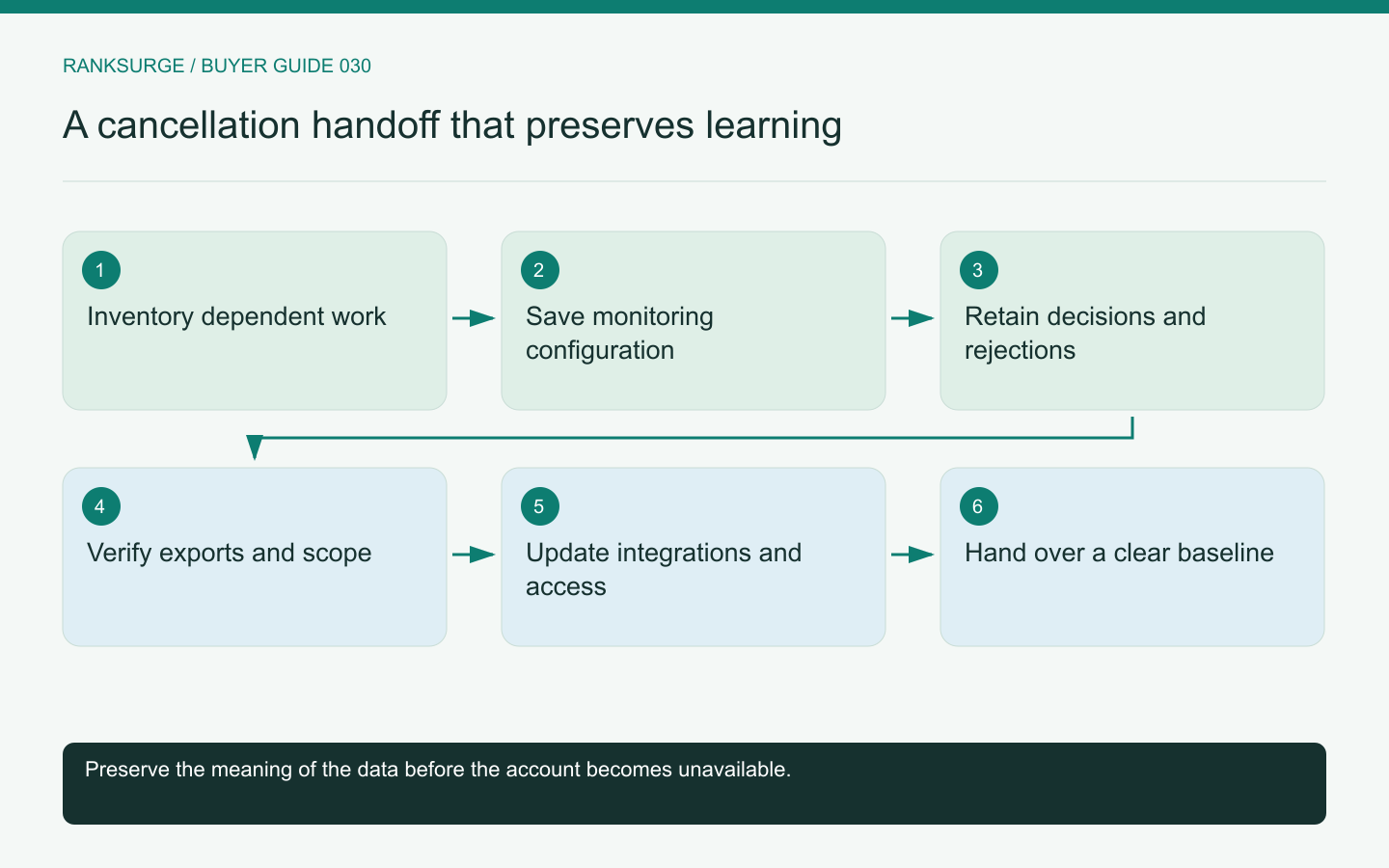
Before canceling an SEO tool, preserve research decisions, monitoring settings and report context so the next workflow starts with an understandable baseline.
Read post
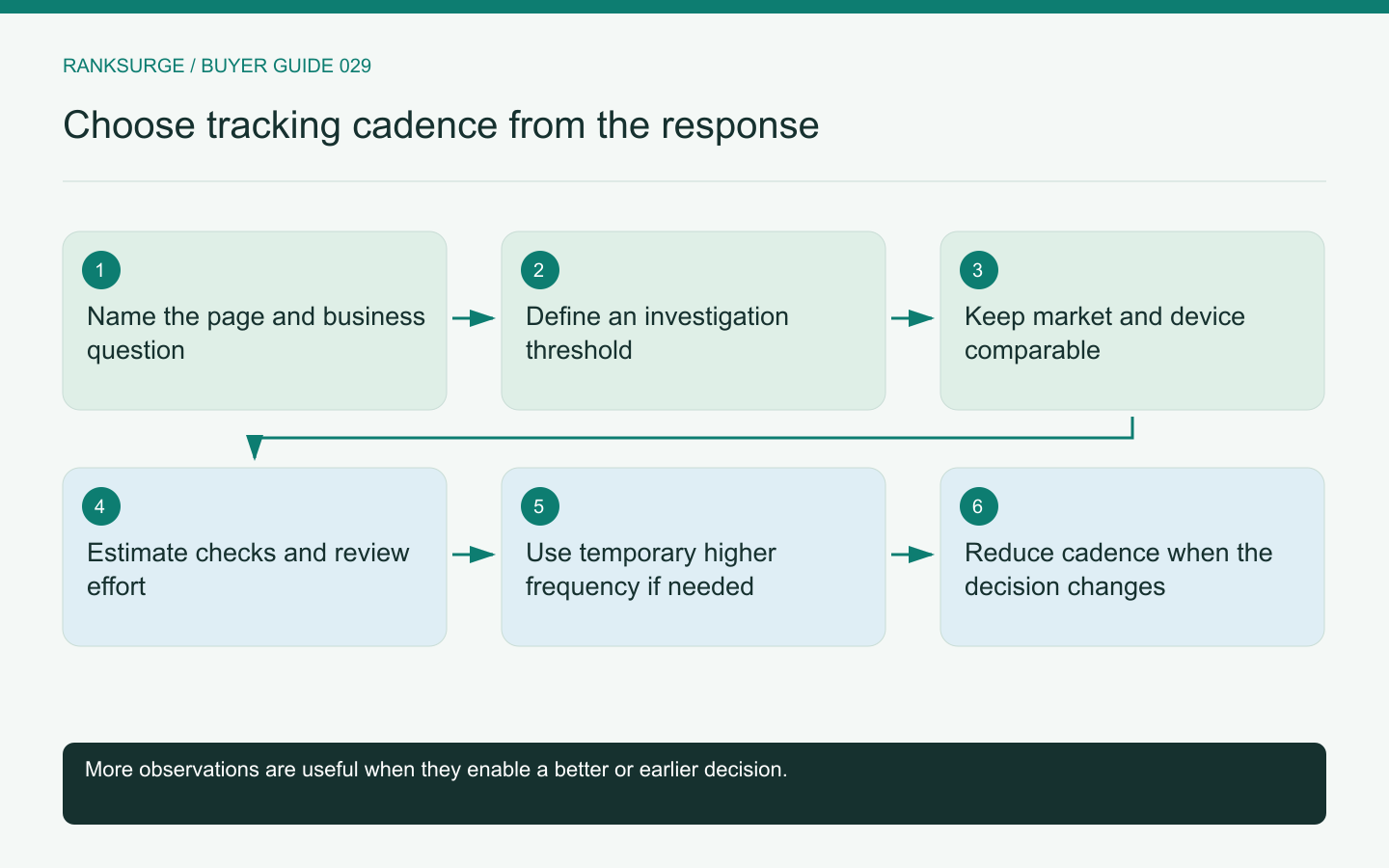
Choose daily or weekly rank tracking based on the decisions you can make, the importance of the pages and the cost of repeated observations.
Read post
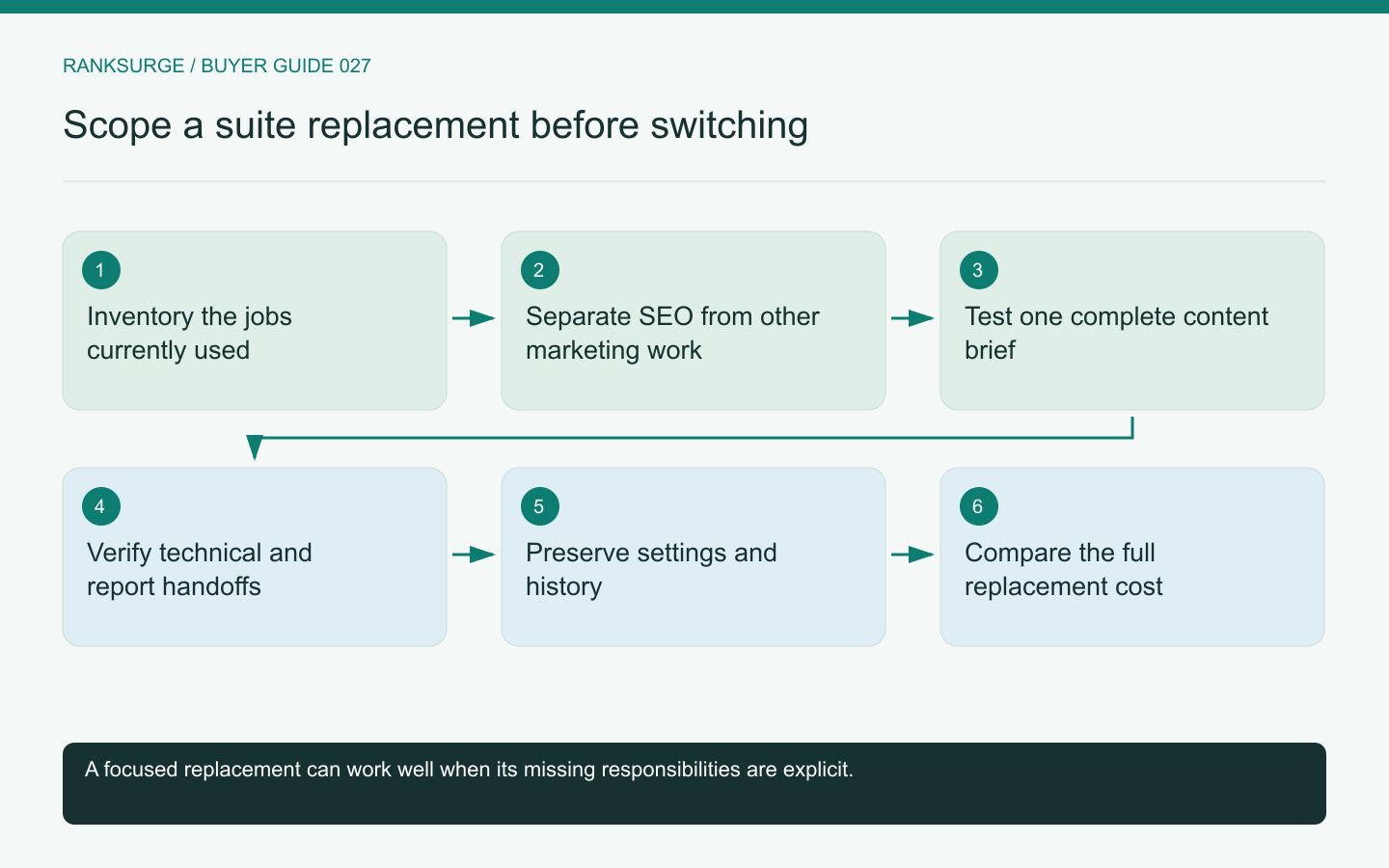
Compare Semrush alternatives by separating SEO research requirements from other marketing-suite work and testing the exact modules your team needs.
Read post
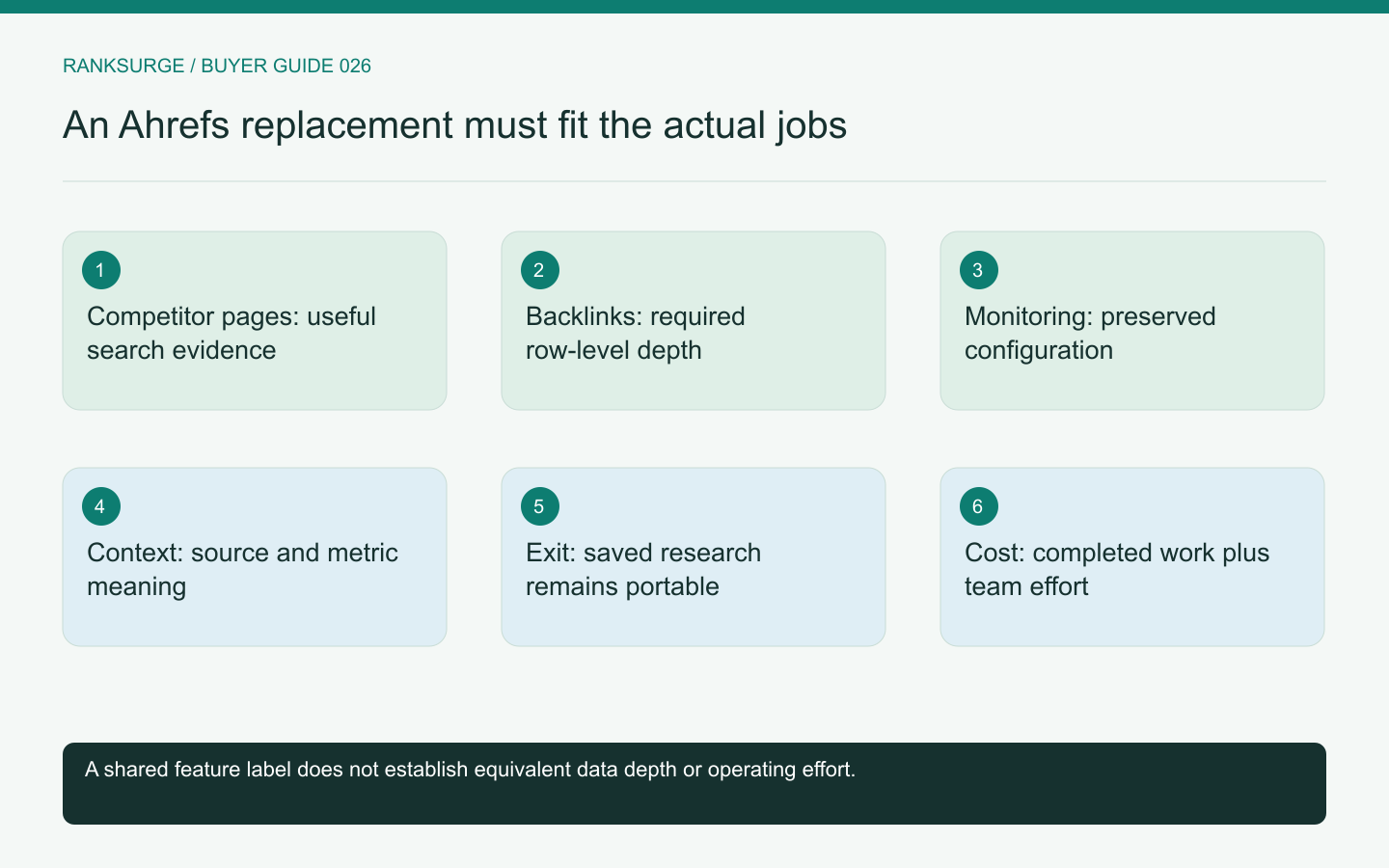
Shortlist Ahrefs alternatives by identifying the research jobs your small team needs, then test coverage, context and total operating effort.
Read post
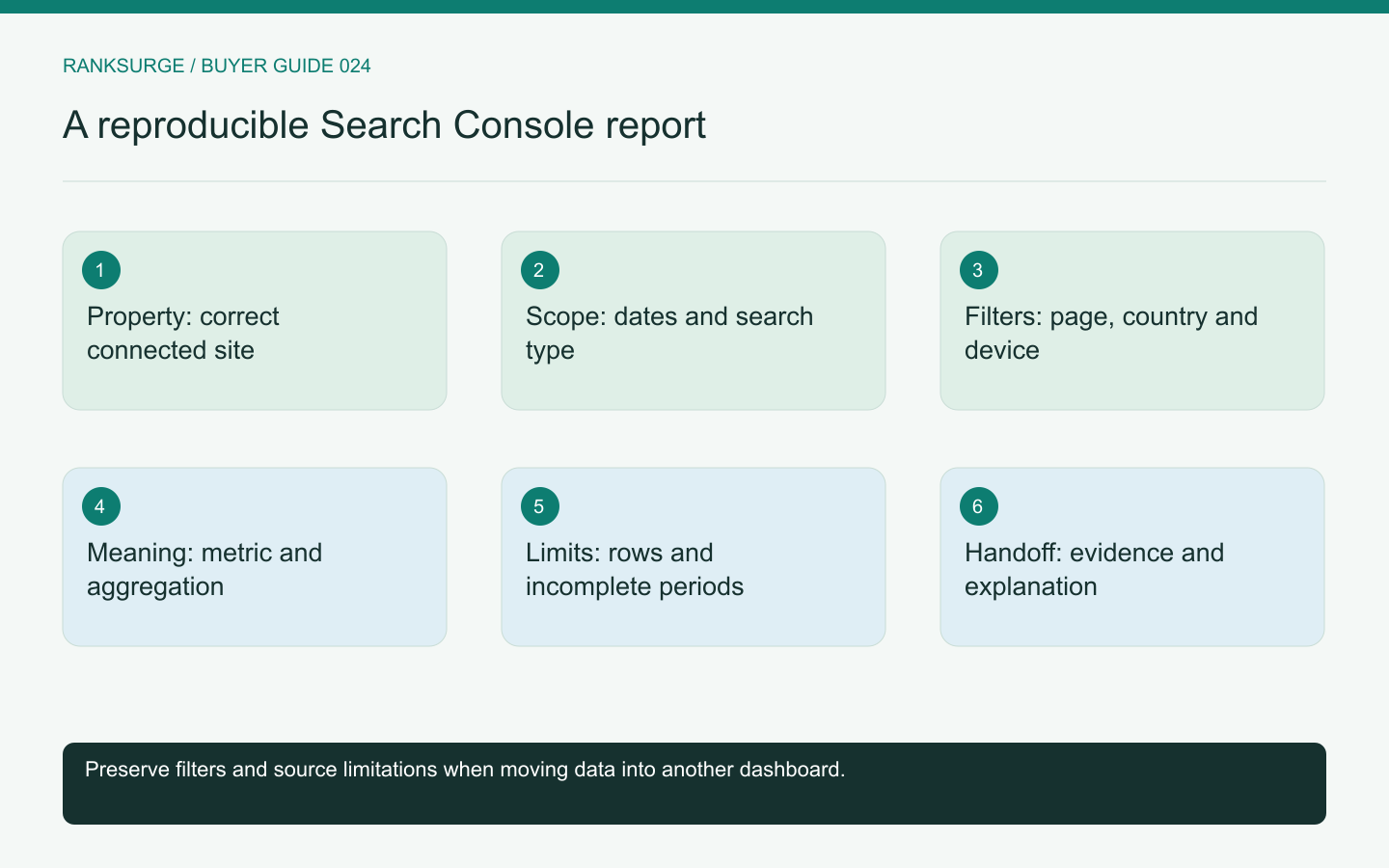
Evaluate Search Console reporting software by reproducing a filtered report, preserving aggregation context and explaining API limitations to readers.
Read post
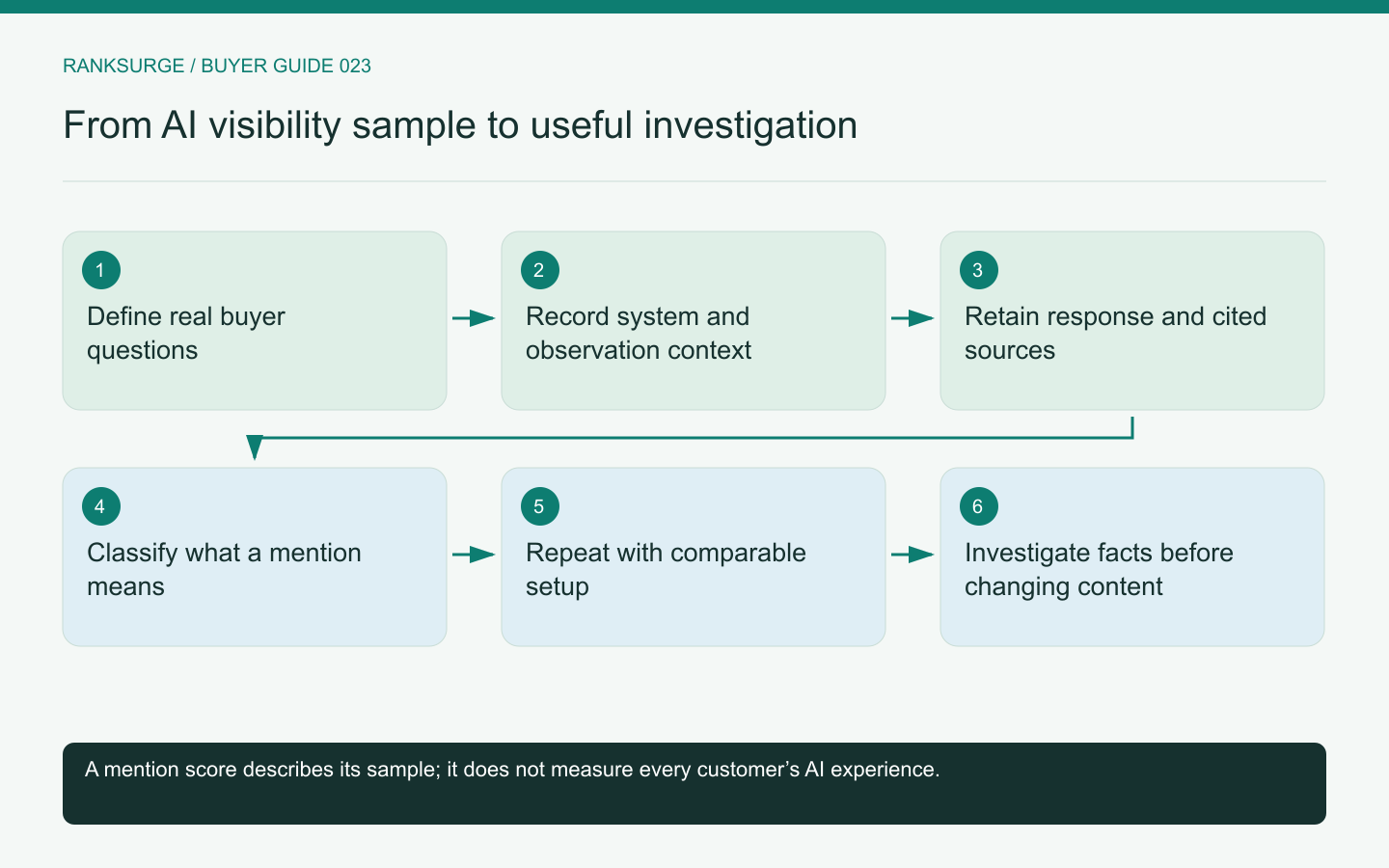
Compare AI visibility tools by their prompt samples, response evidence and repeatability, without treating a brand-mention score as a market-wide measurement.
Read post
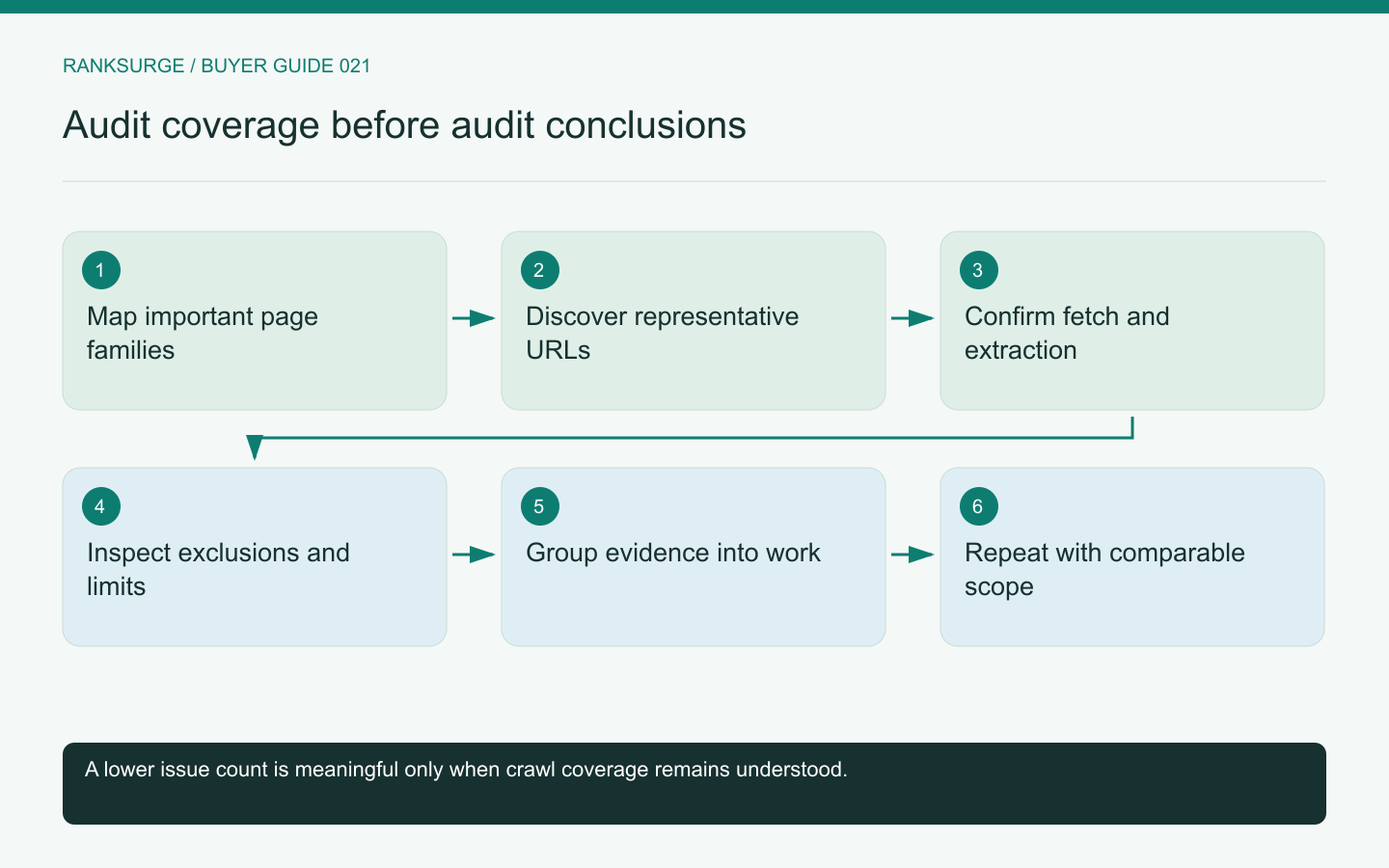
Choose a website audit tool by testing page discovery, rendering assumptions and affected-URL evidence before comparing health scores or issue counts.
Read post
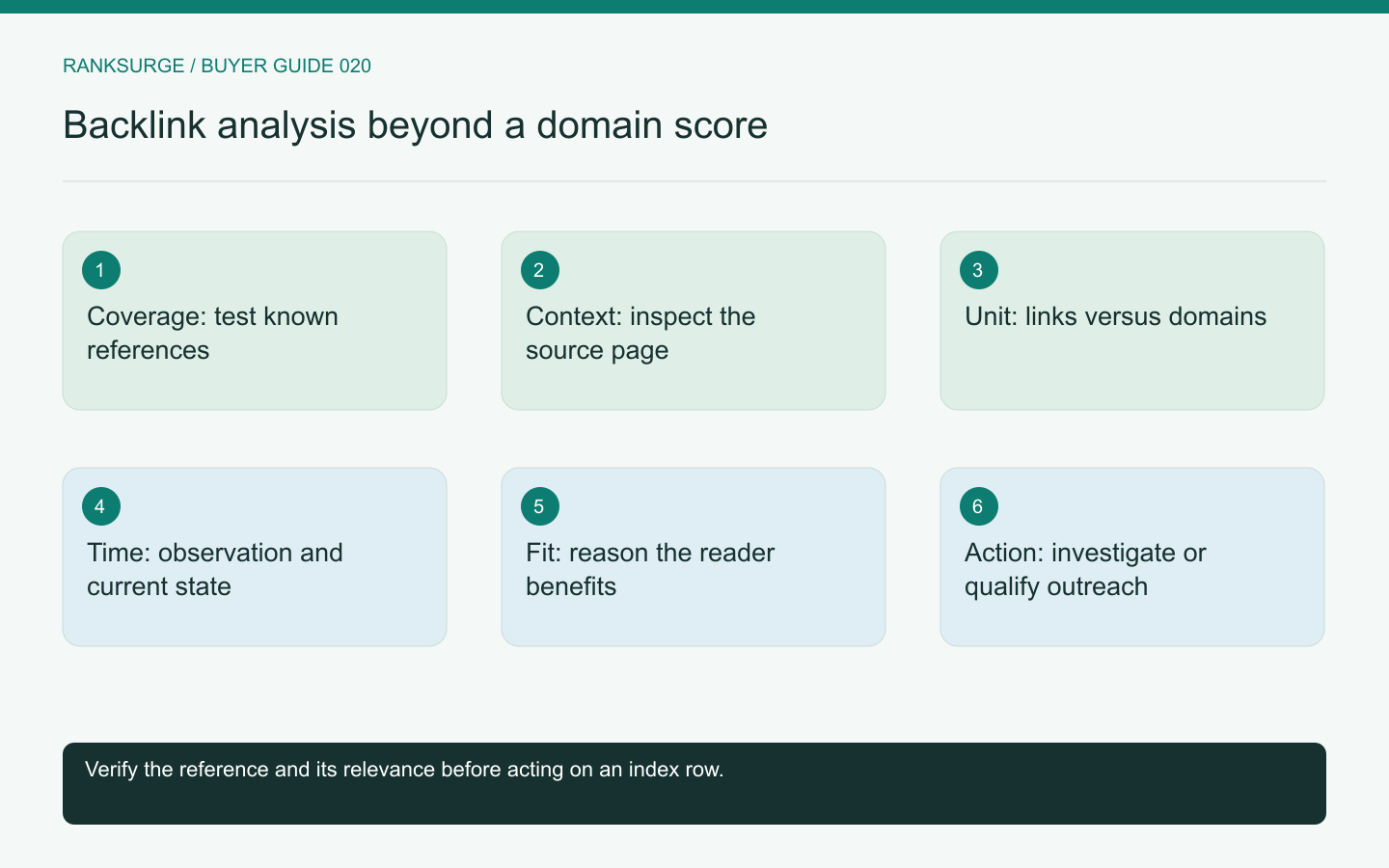
Evaluate backlink analysis software through coverage, link-level evidence, freshness and the decisions your team can make from the results.
Read post
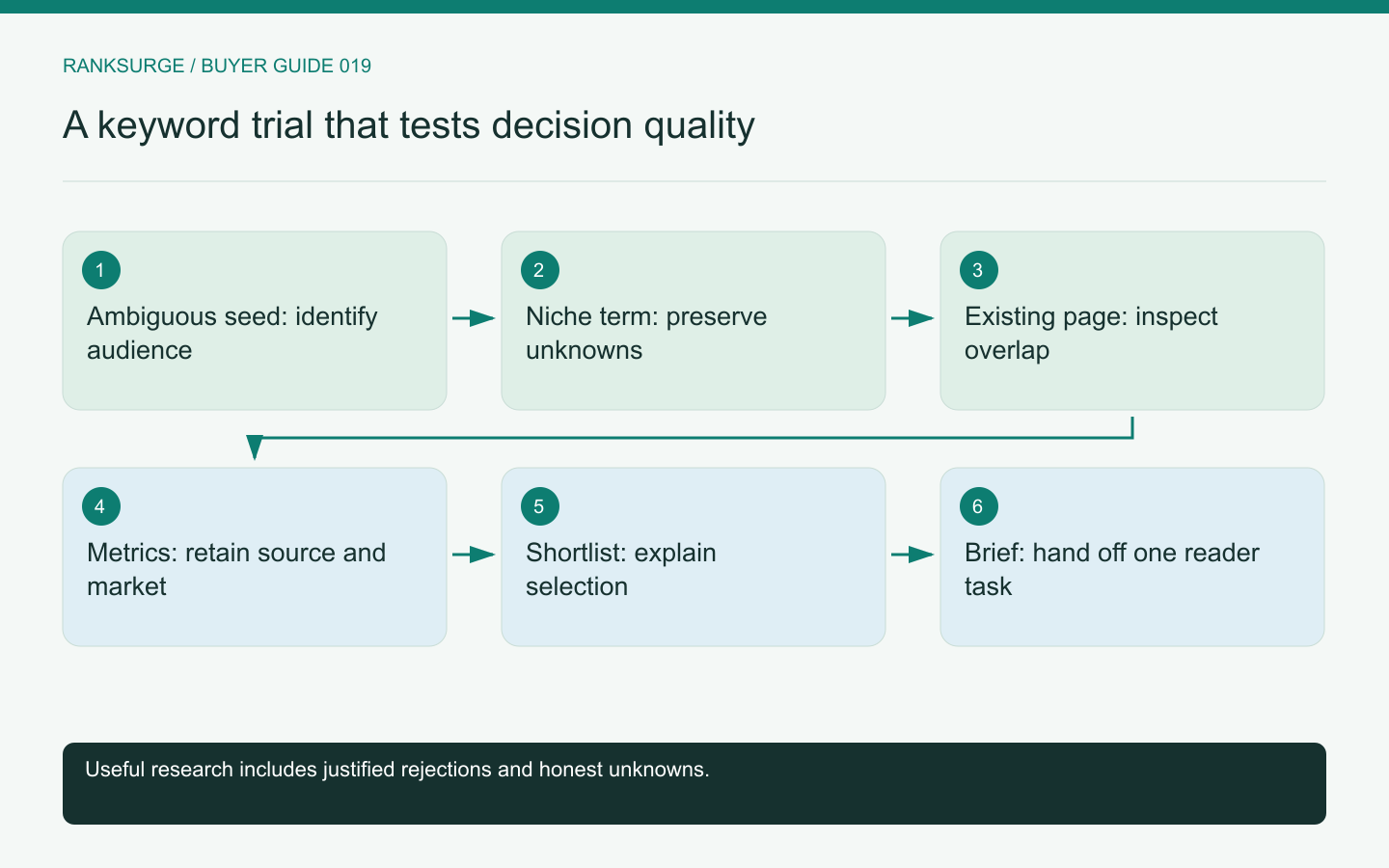
Compare keyword research tools with ambiguous seeds, niche terms and existing content so the evaluation measures useful page decisions, not suggestion volume.
Read post
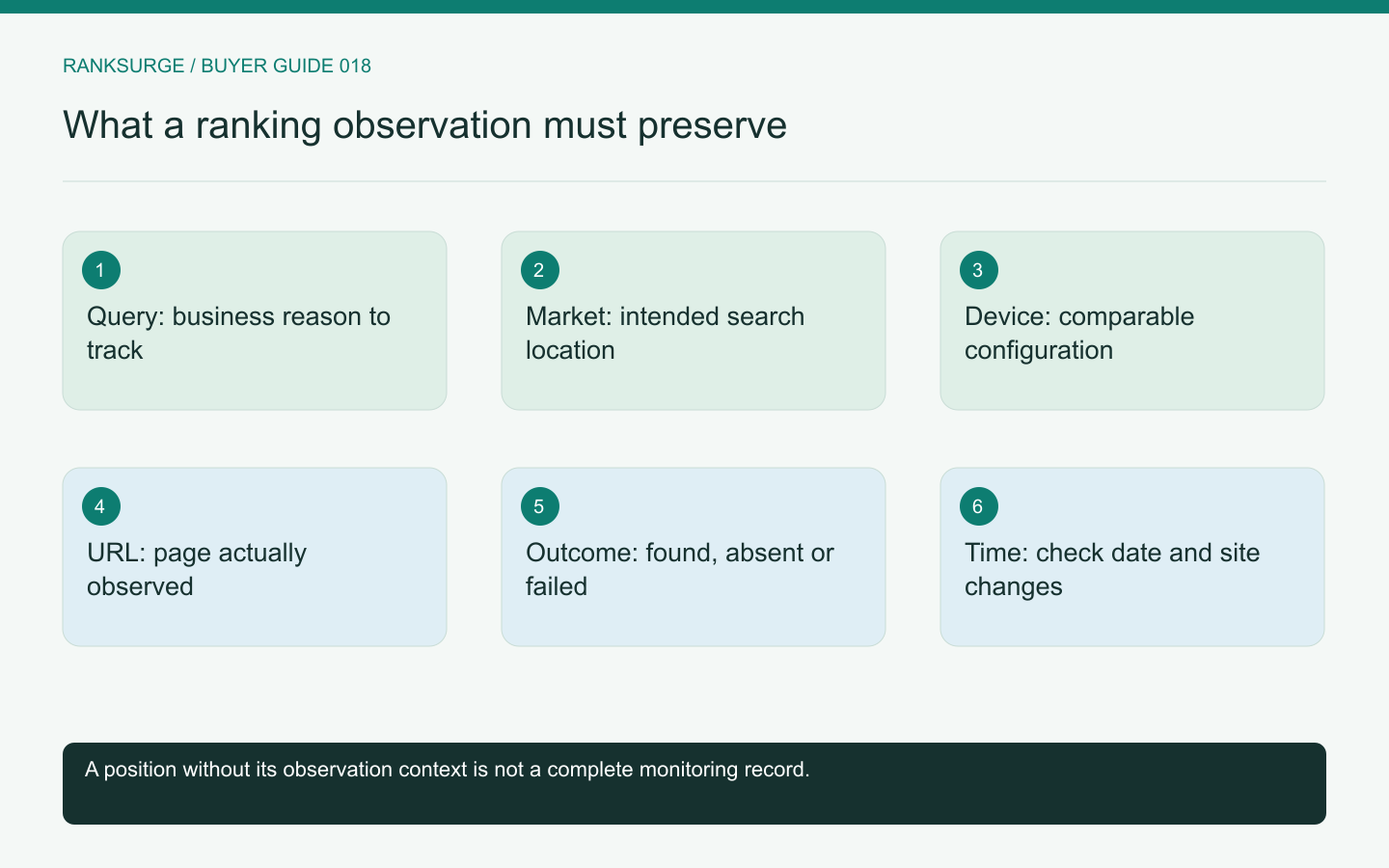
Choose a rank tracker by testing market and device configuration, ranking URLs, missing results and the investigations your team needs to perform.
Read post
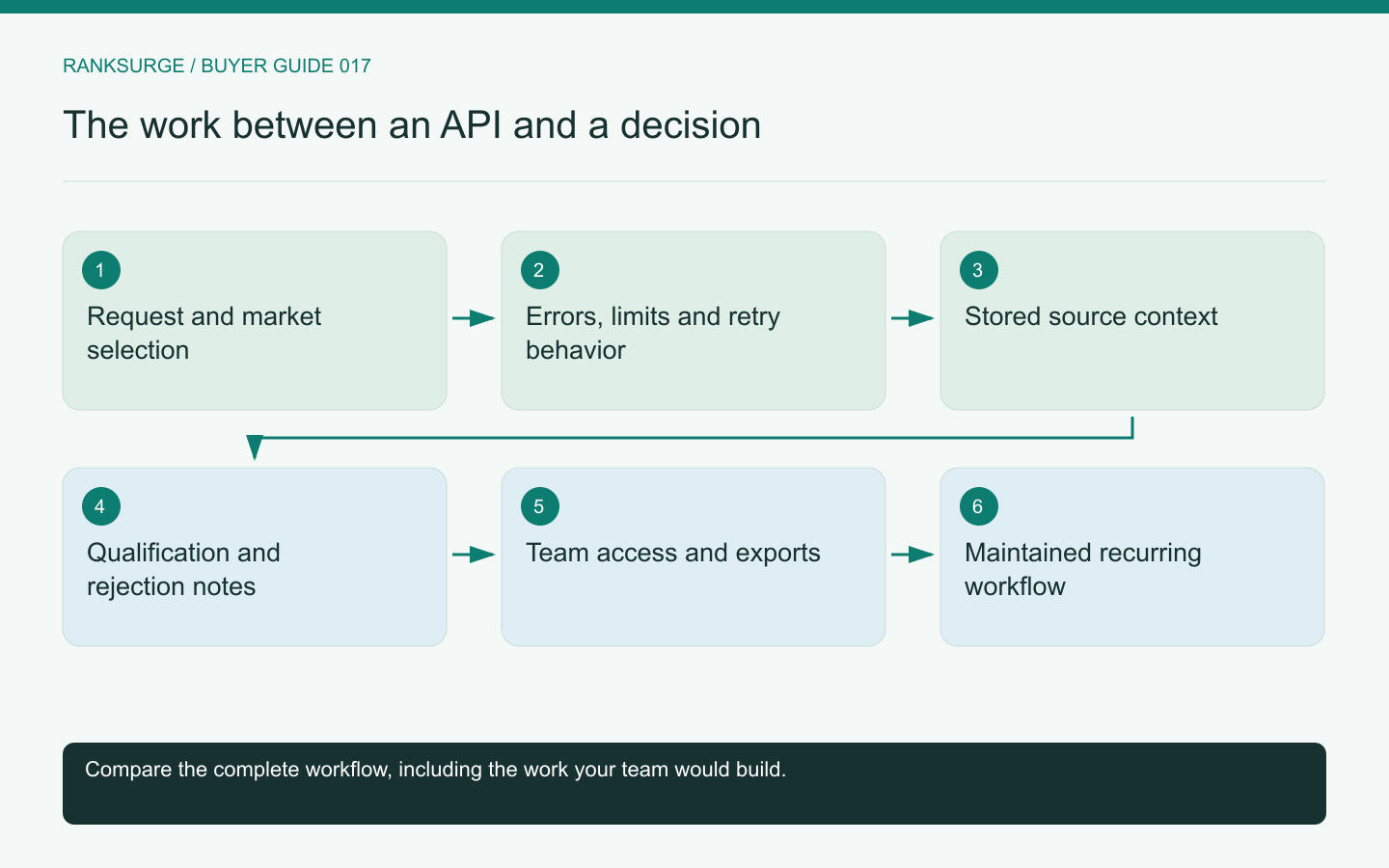
Decide between an SEO API and a research platform by accounting for the interface, persistence, retries and analyst workflow your team would need to build.
Read post
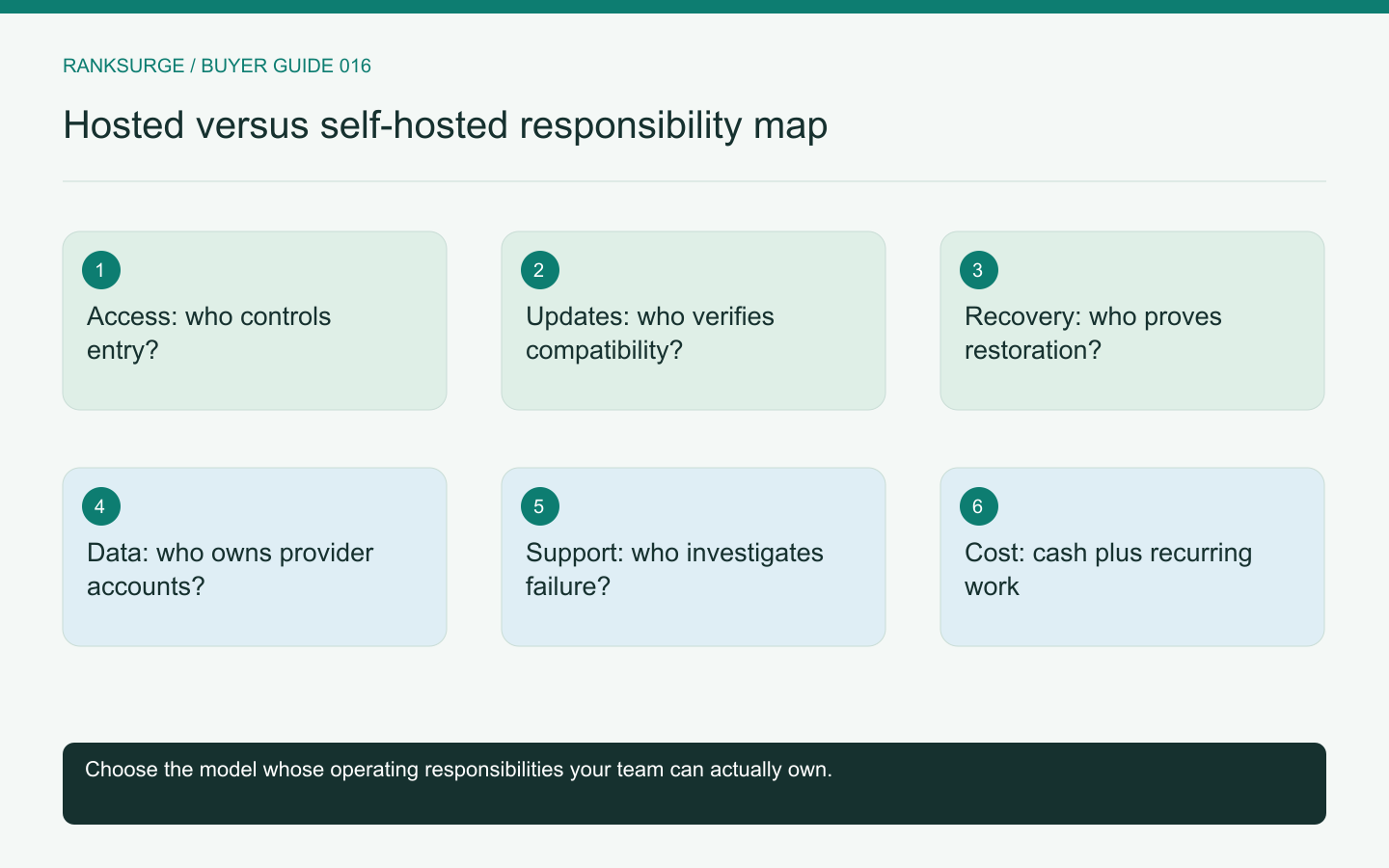
Compare hosted and self-hosted SEO tools with a responsibility worksheet covering data providers, access, updates, recovery and real operating cost.
Read post
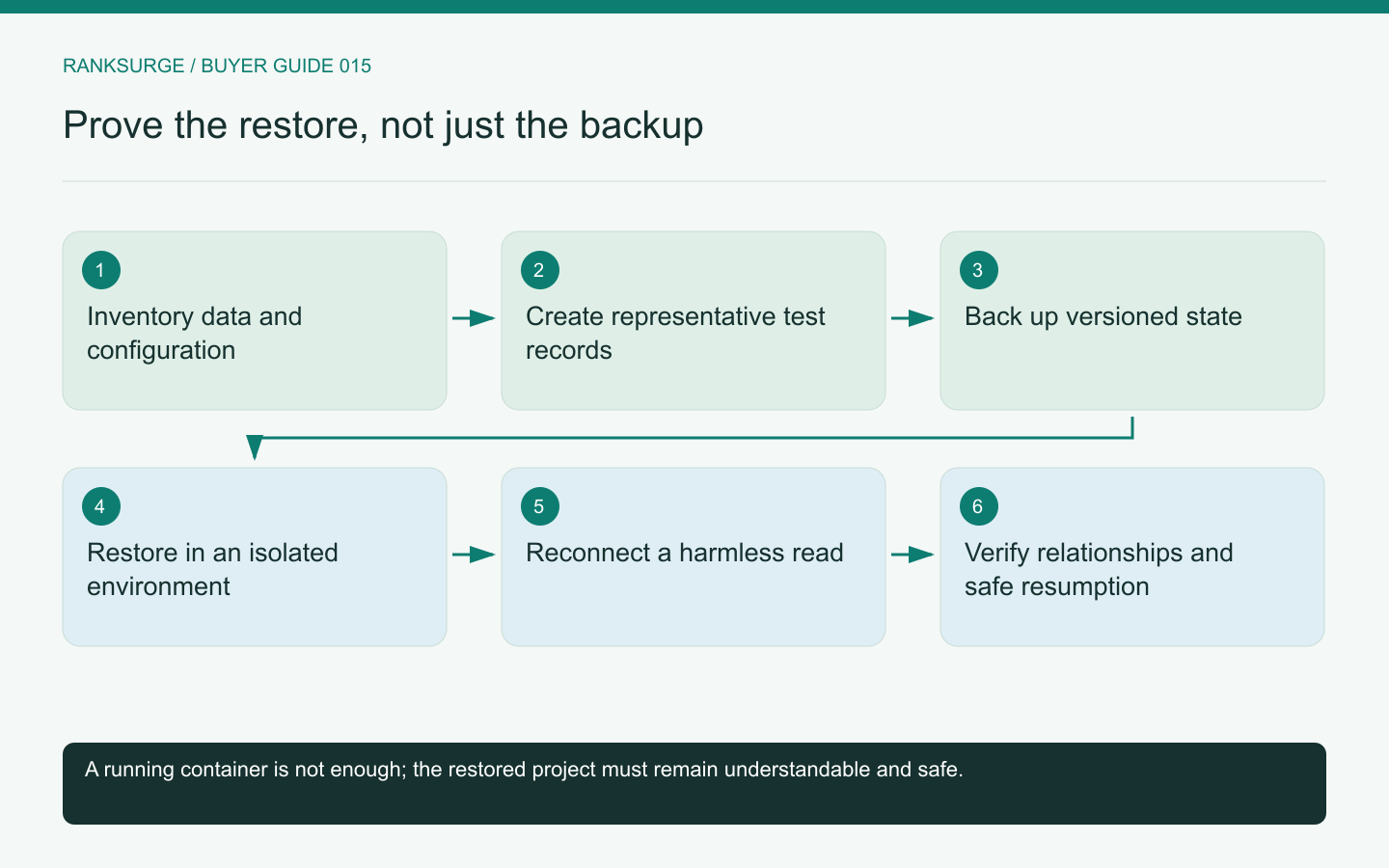
Evaluate self-hosted SEO tools by restoring project data, configuration and external connections before relying on the deployment for research history.
Read post
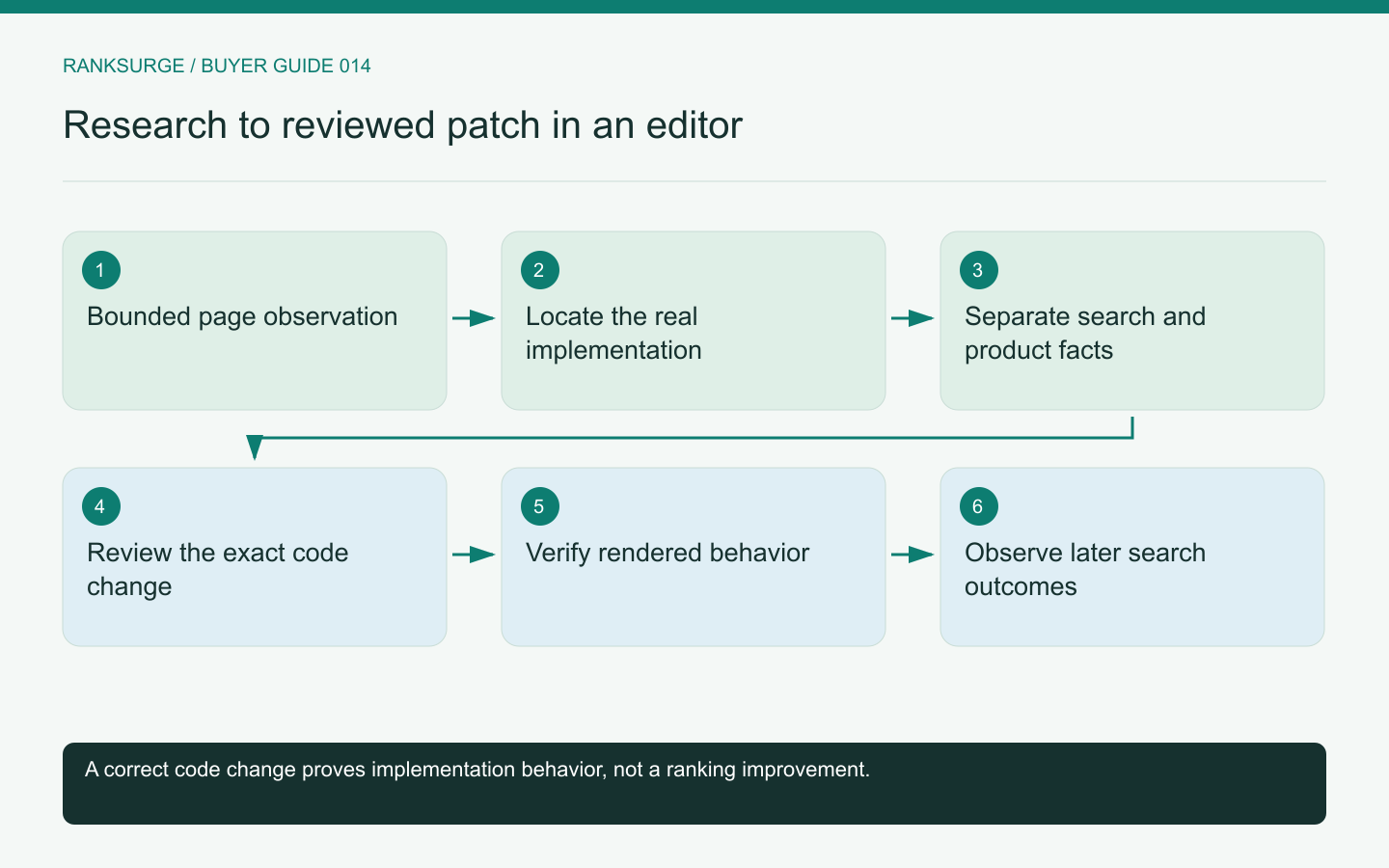
Evaluate SEO tools in a Cursor workflow through the handoff from research to a reviewed code change, with explicit boundaries for source facts and deployment.
Read post
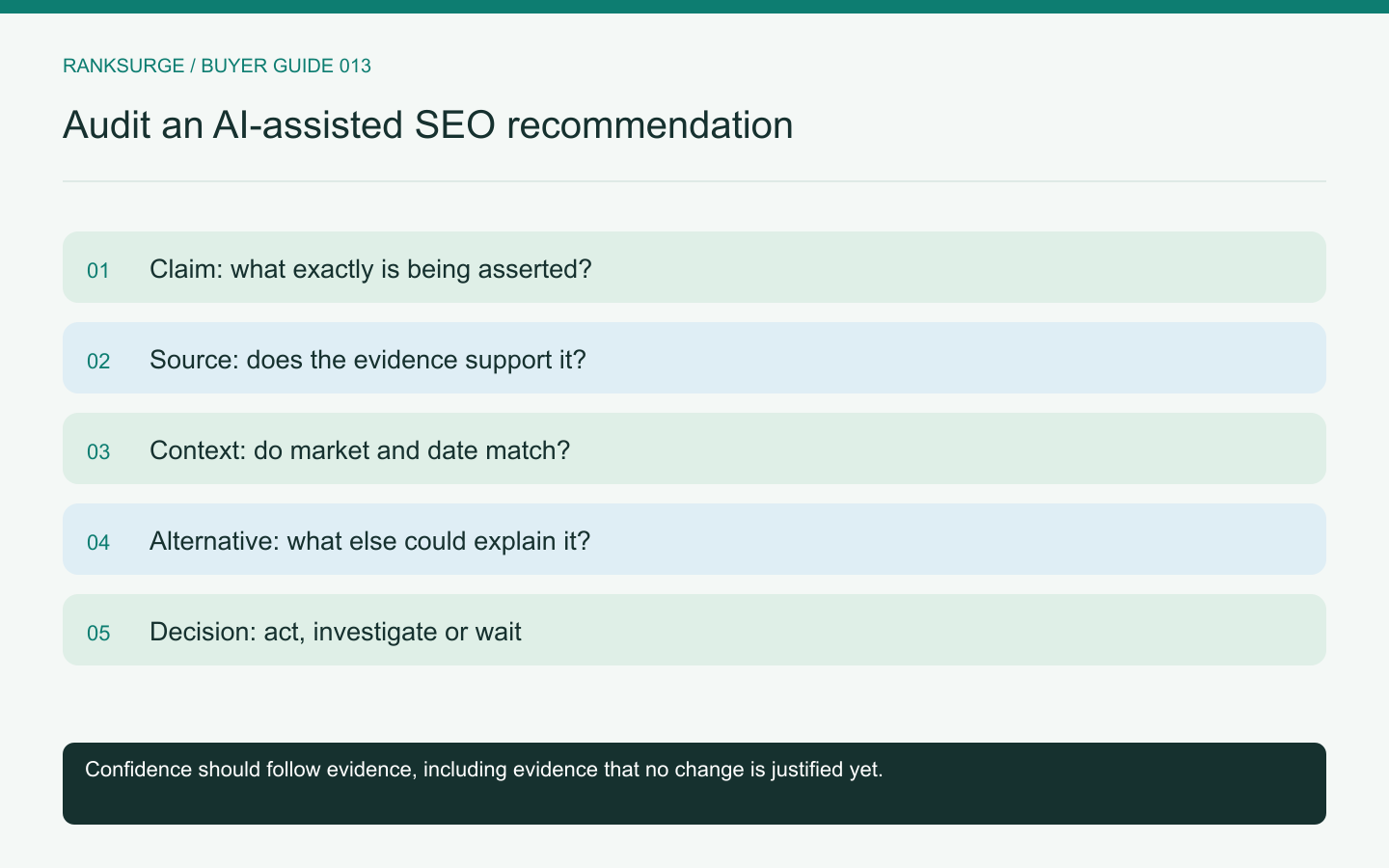
Choose SEO data tools for Claude by testing source traceability, uncertainty handling and whether a non-specialist can audit the resulting recommendation.
Read post
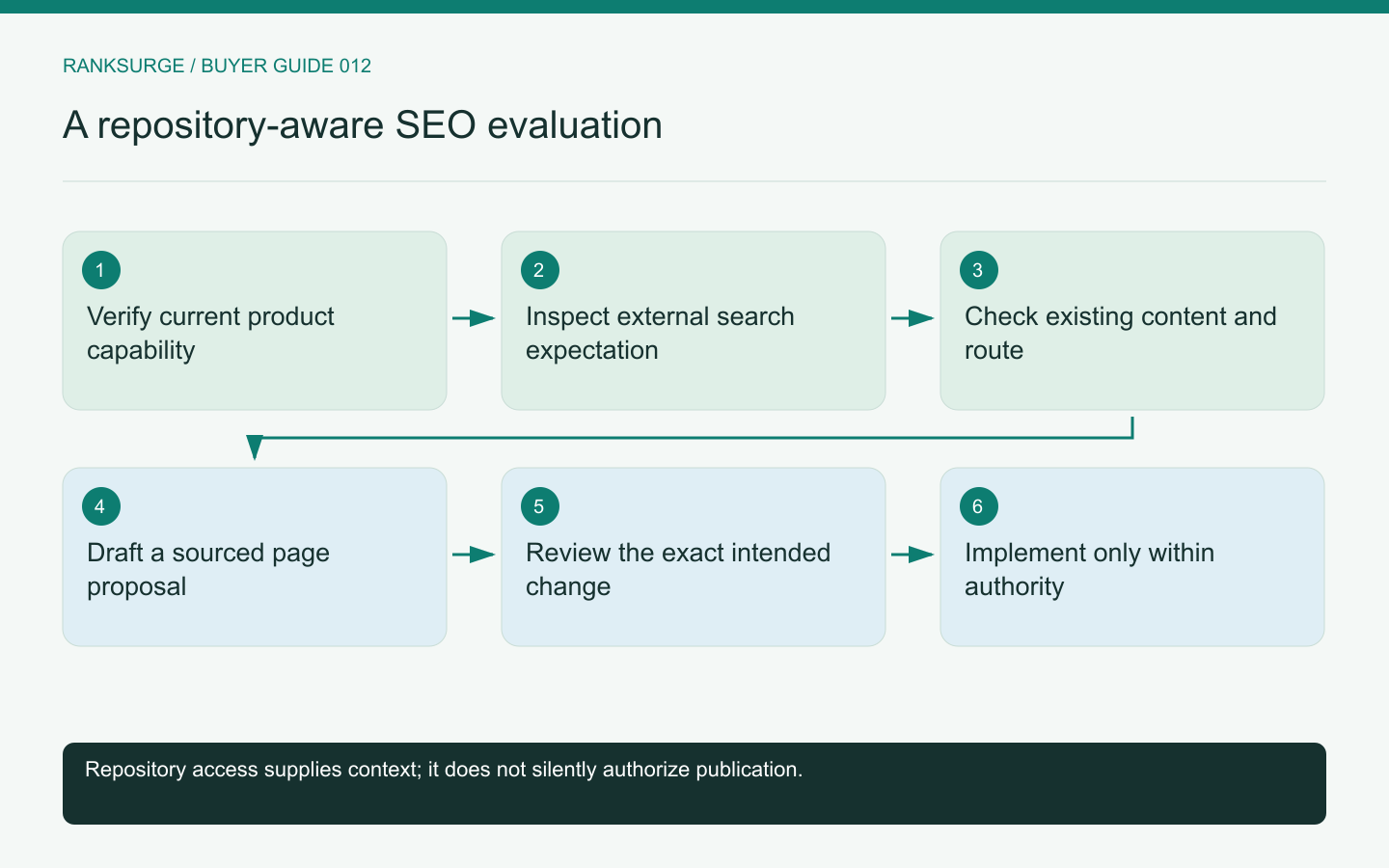
Evaluate SEO tooling for Codex with a repository-aware research exercise that keeps product facts, search evidence and code changes under separate review.
Read post
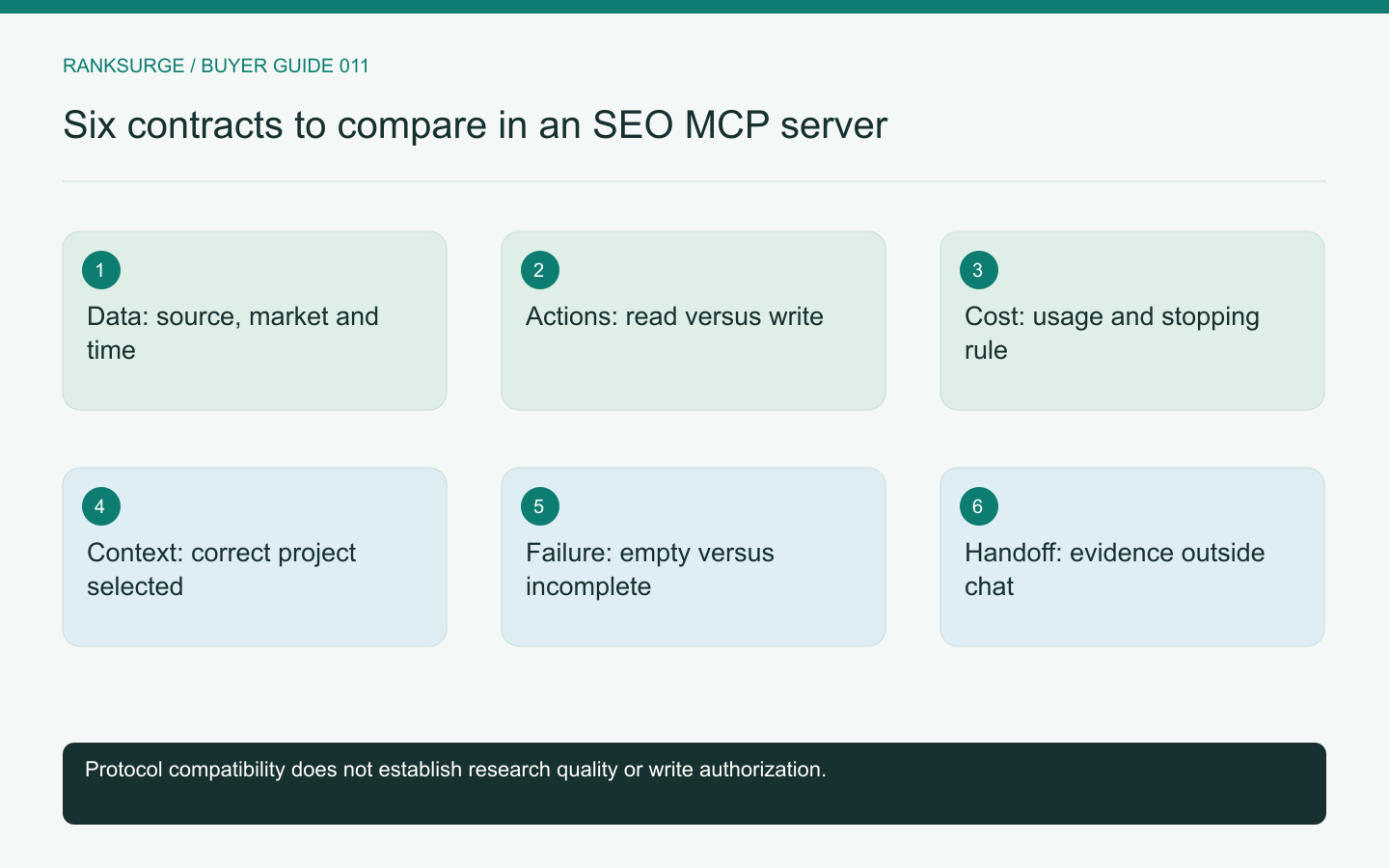
Compare SEO MCP servers by their data contracts, write permissions, cost visibility and ability to preserve evidence outside an agent conversation.
Read post
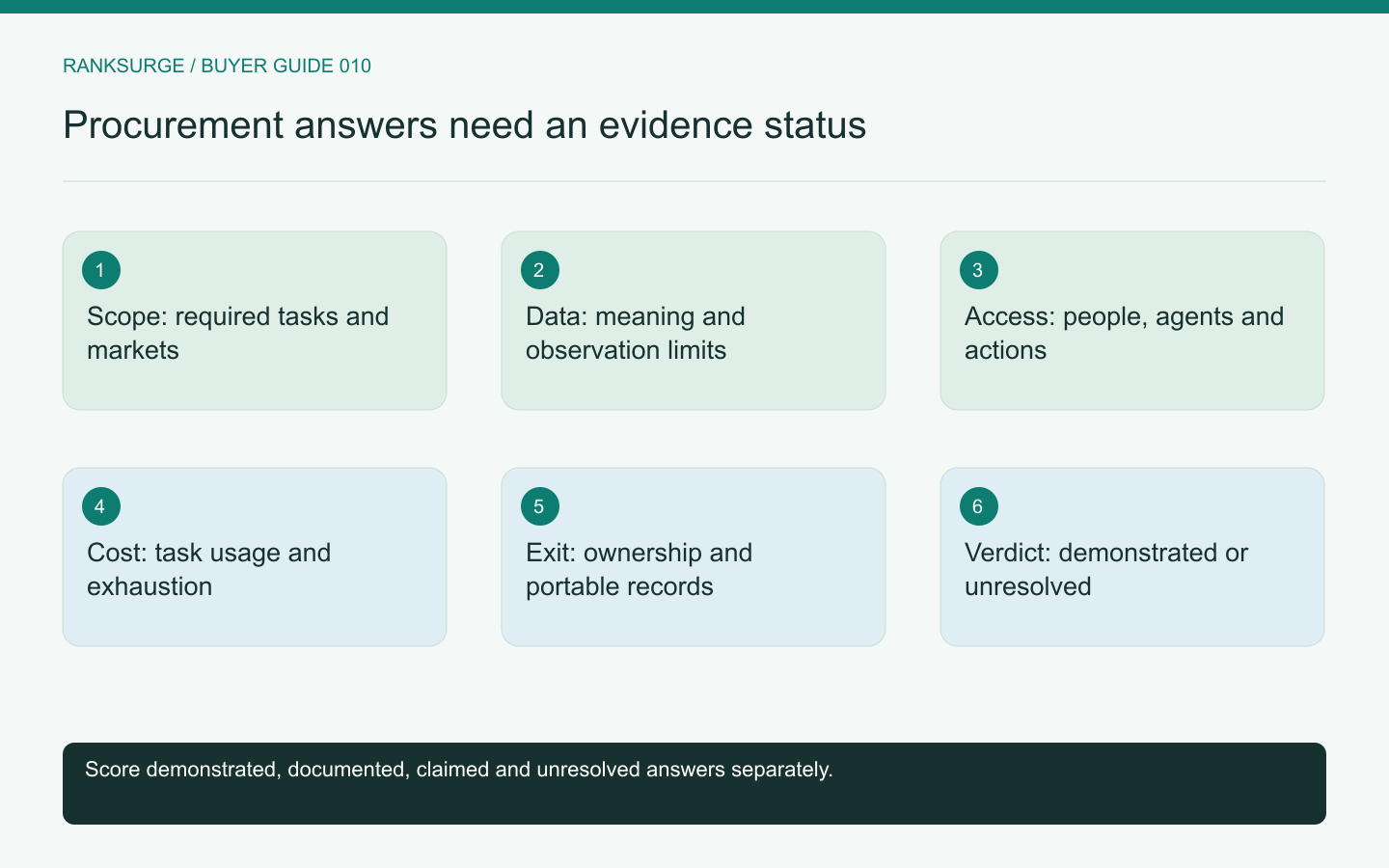
Use an SEO procurement questionnaire that asks vendors for demonstrations, definitions and account terms instead of unsupported yes-or-no feature claims.
Read post
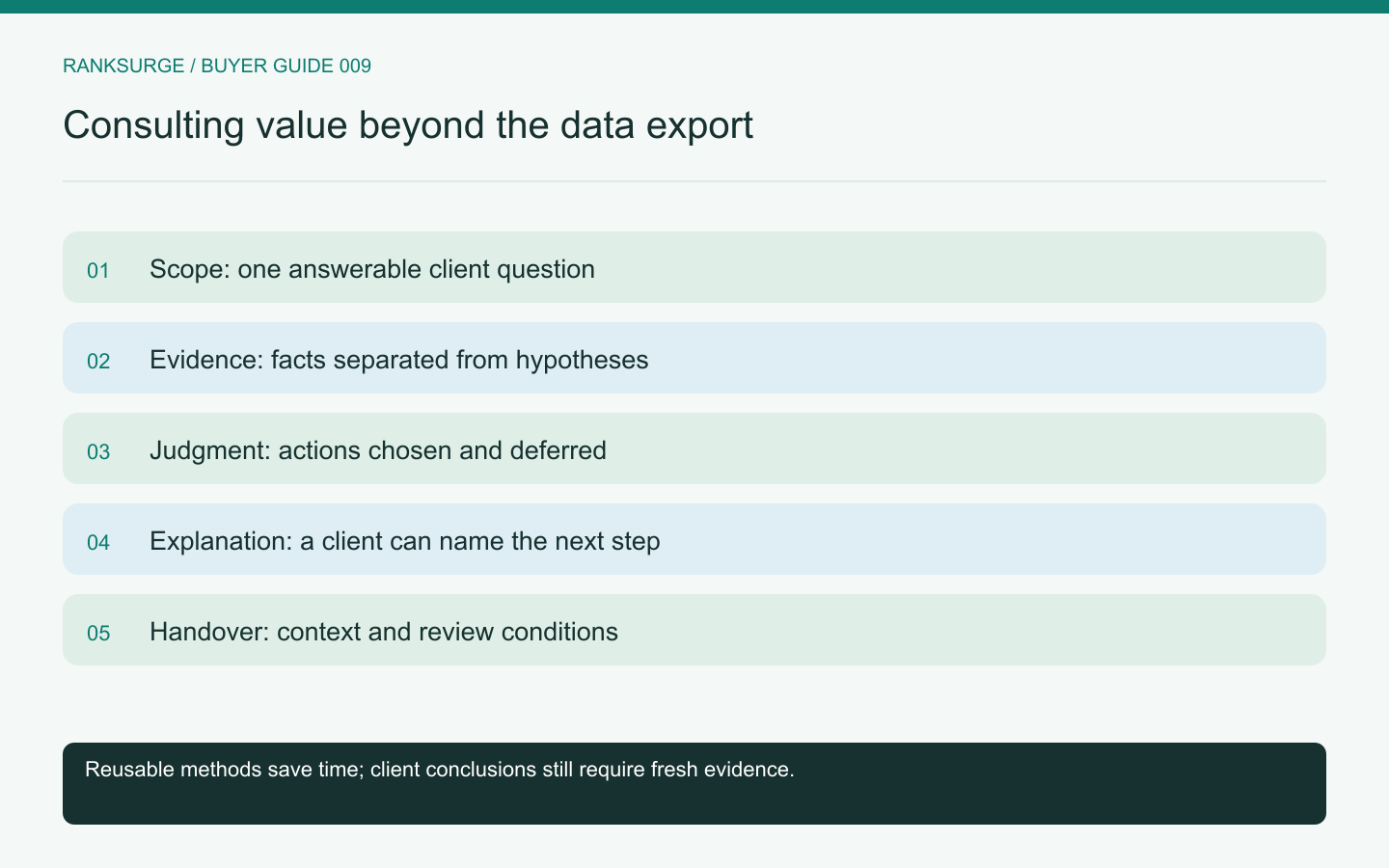
Evaluate SEO tools for consulting work through evidence quality, client explanations, research reuse and a clear boundary around the engagement.
Read post
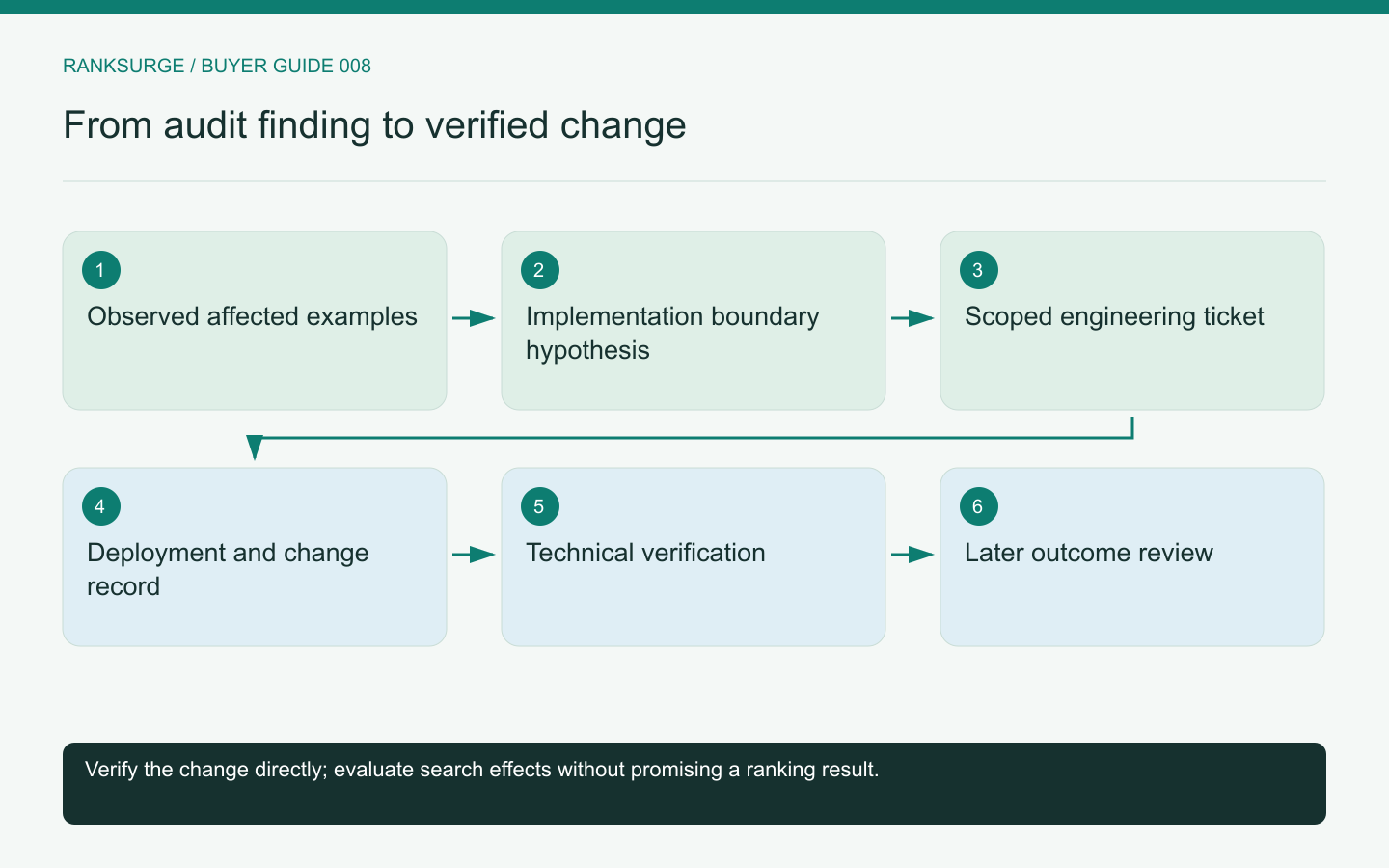
Choose an SEO tool for an in-house team by testing whether research becomes an engineering task with scope, evidence and a verification step.
Read post
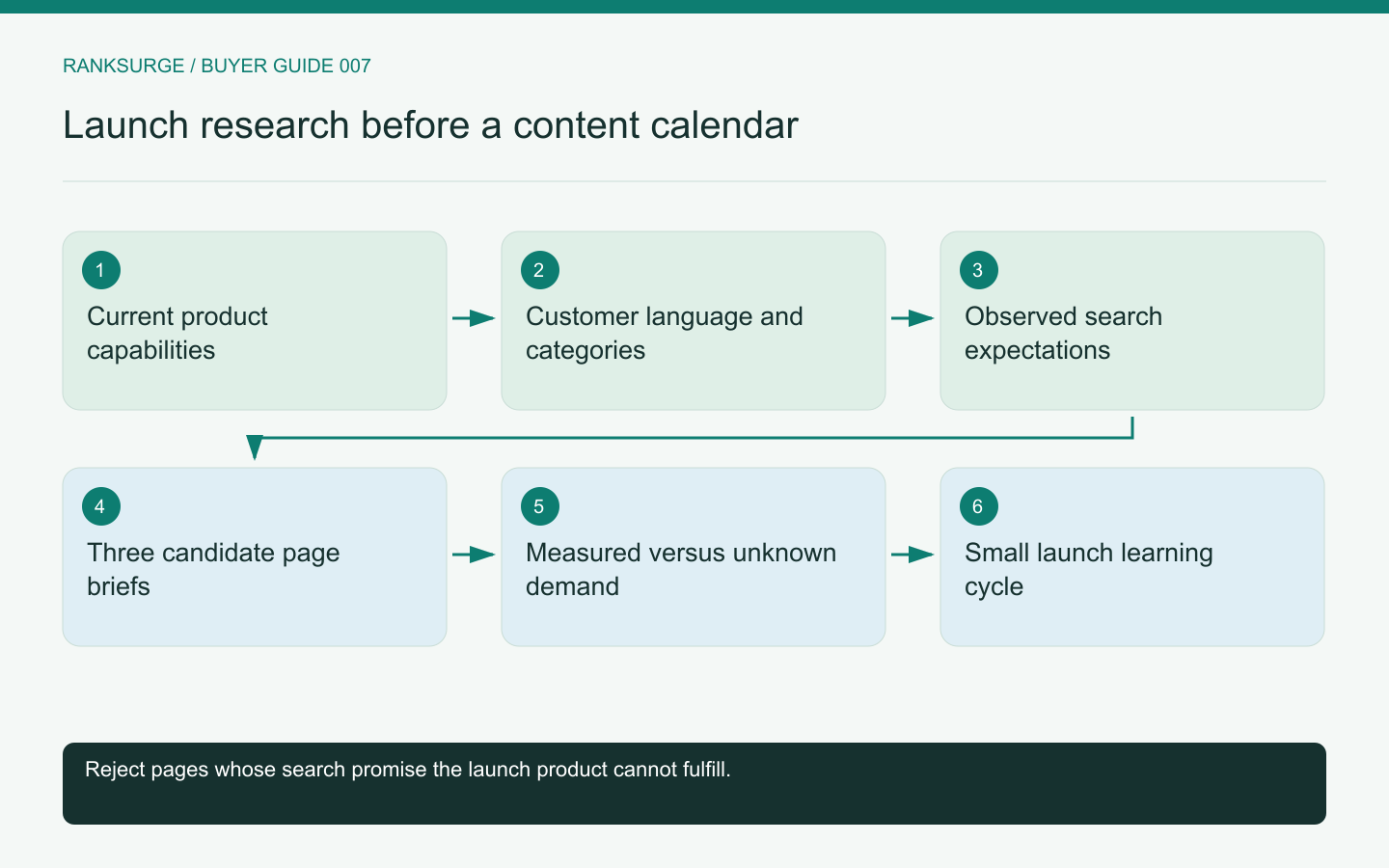
Evaluate SEO tools for a product launch by testing category demand, searcher fit and landing-page decisions before committing to a content plan.
Read post
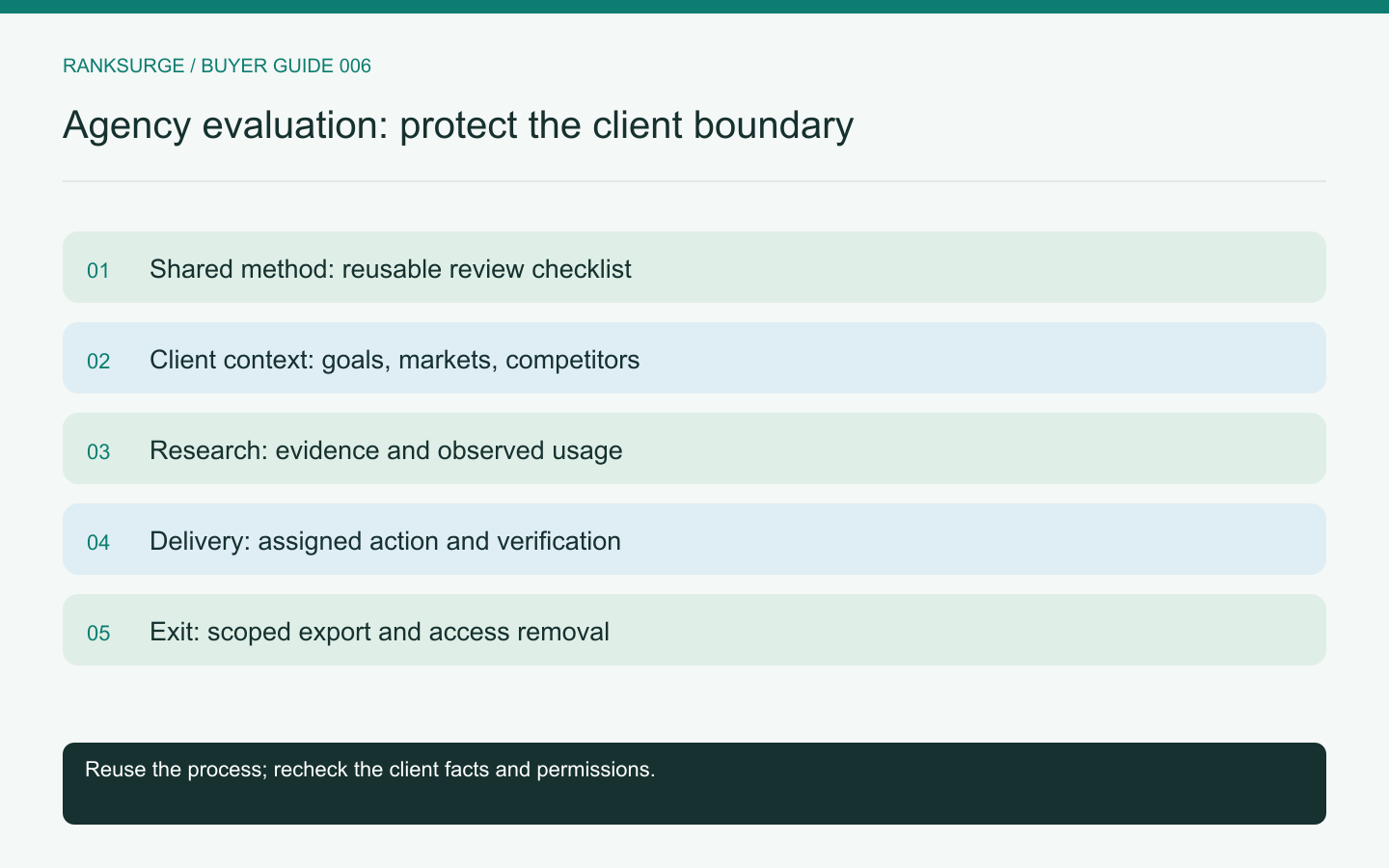
Choose an SEO tool for a small agency by testing client boundaries, reusable research, delivery handoffs and the cost of concurrent work.
Read post
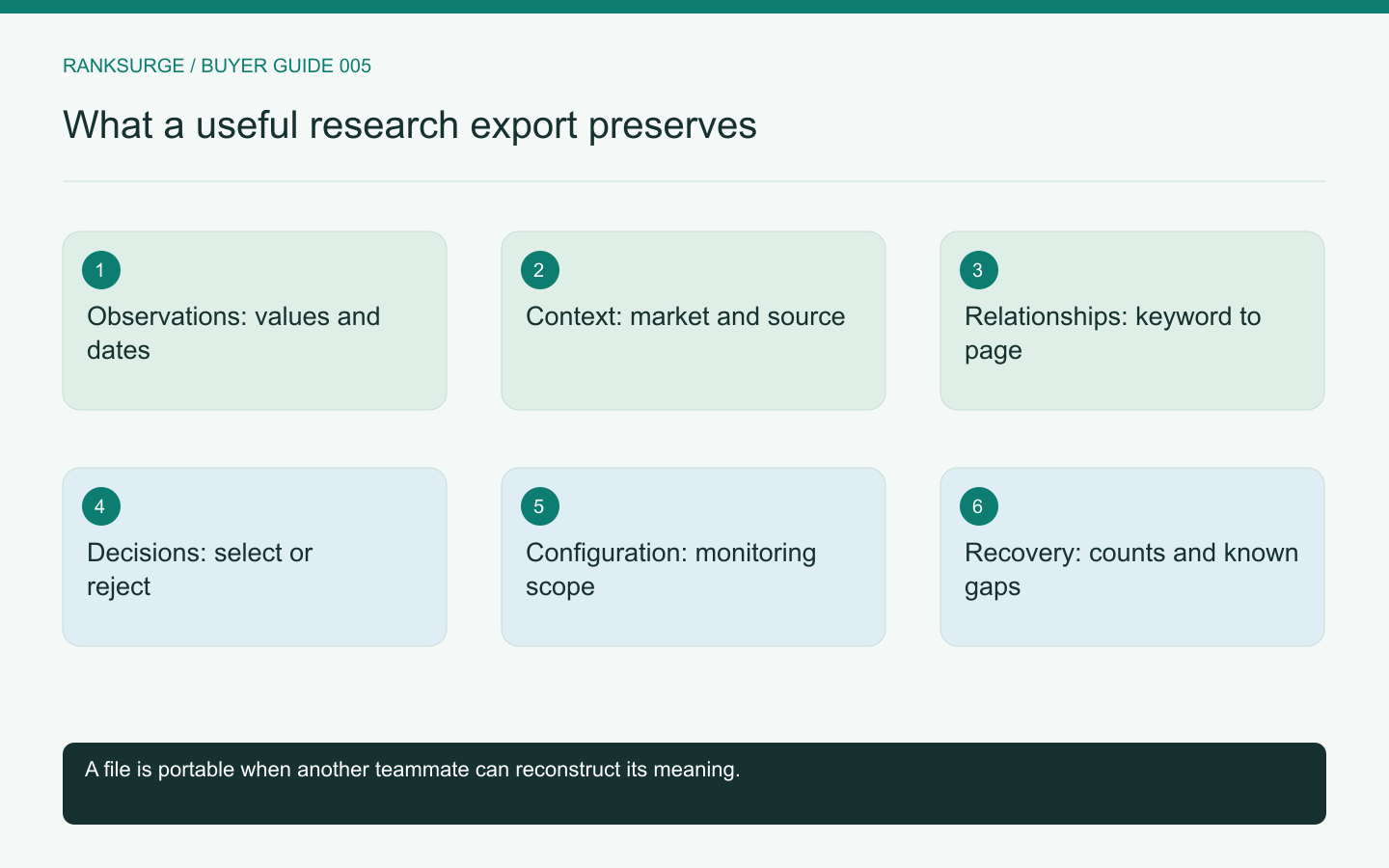
Test SEO platform exports for source context, relationships and repeatability before depending on a tool for your research history.
Read post
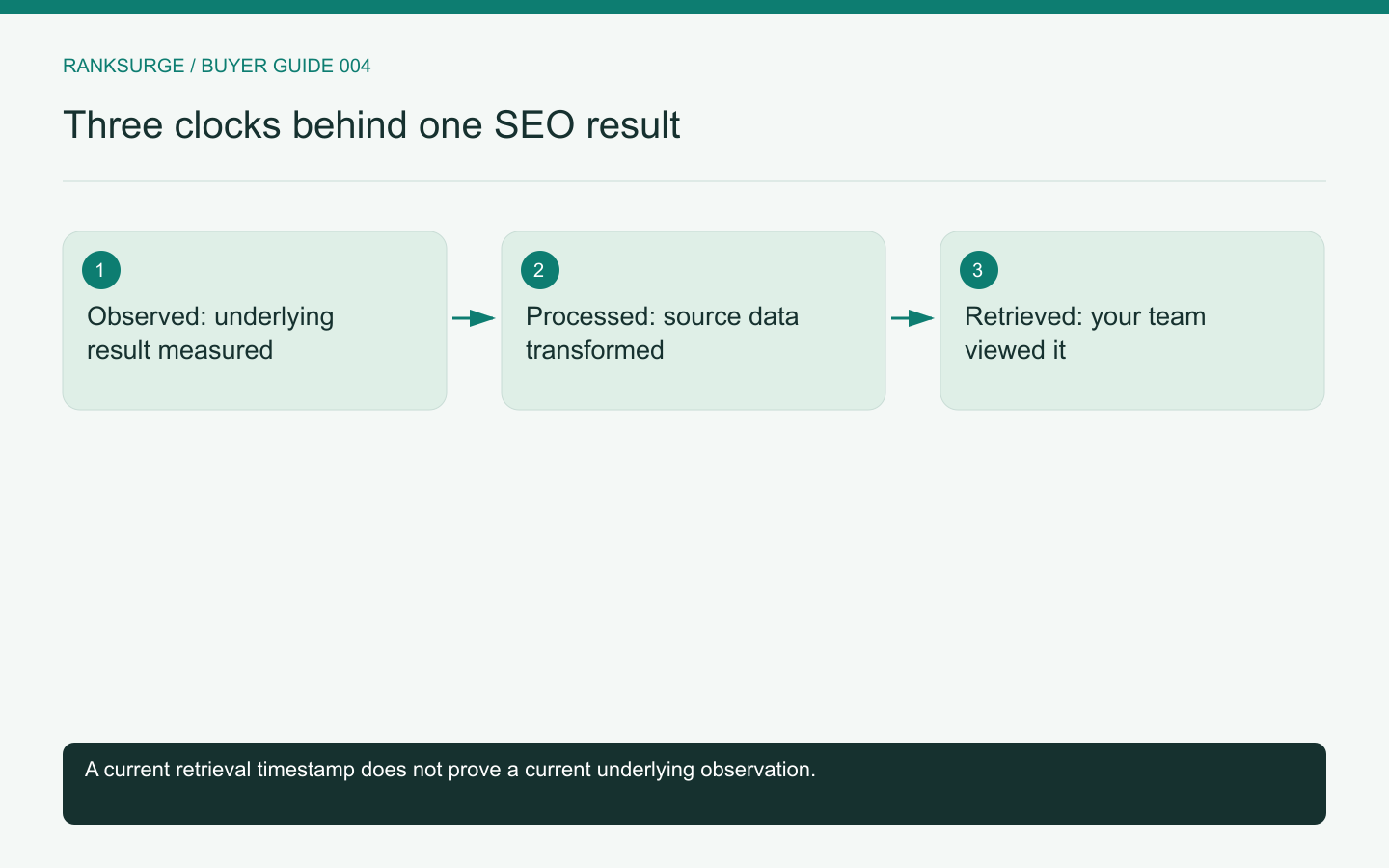
Evaluate SEO data freshness by separating observation time, processing time and retrieval time, with different tolerances for different decisions.
Read post
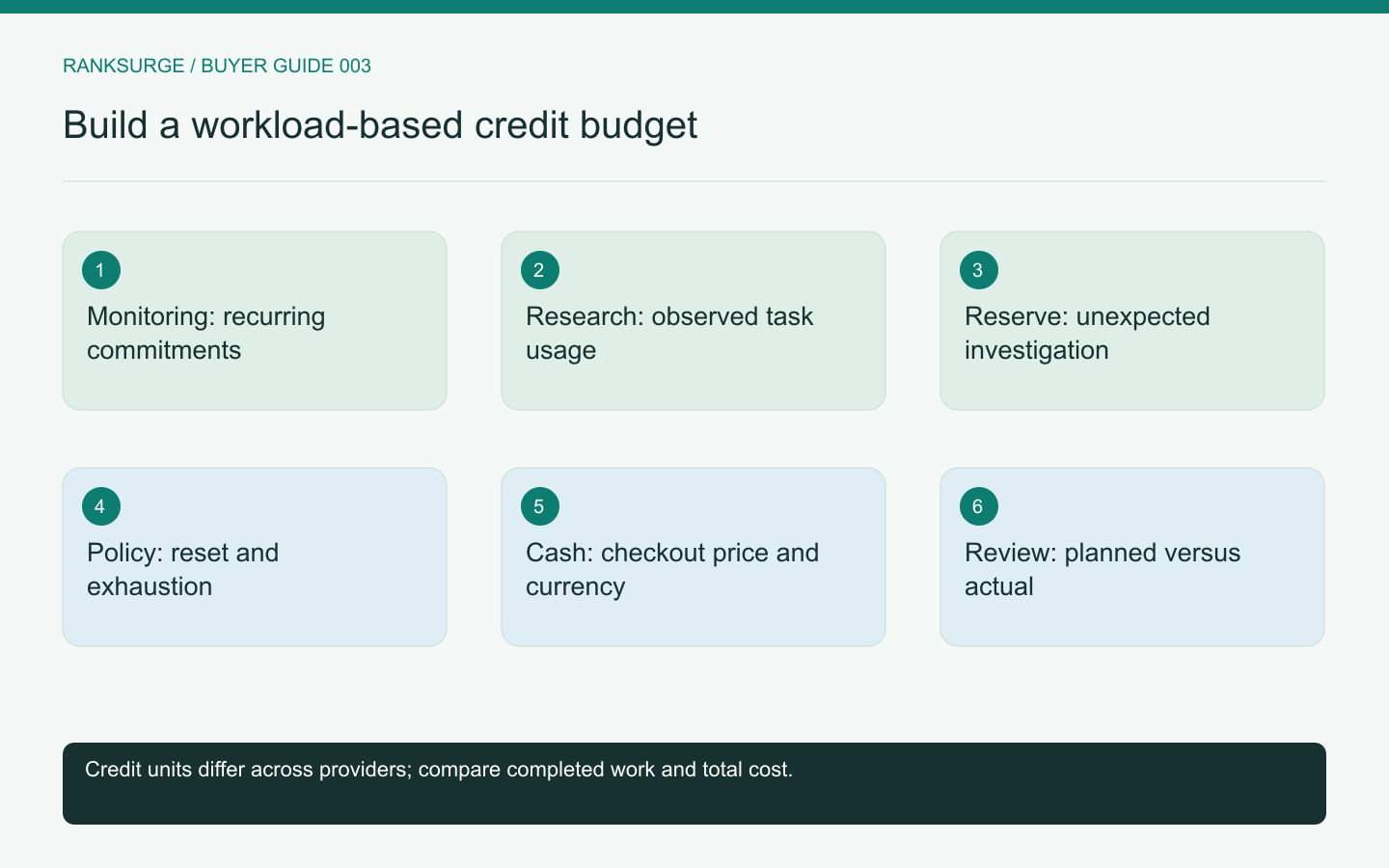
Build an SEO credit budget from recurring monitoring, variable research and a reserve, then compare it with observed trial usage.
Read post
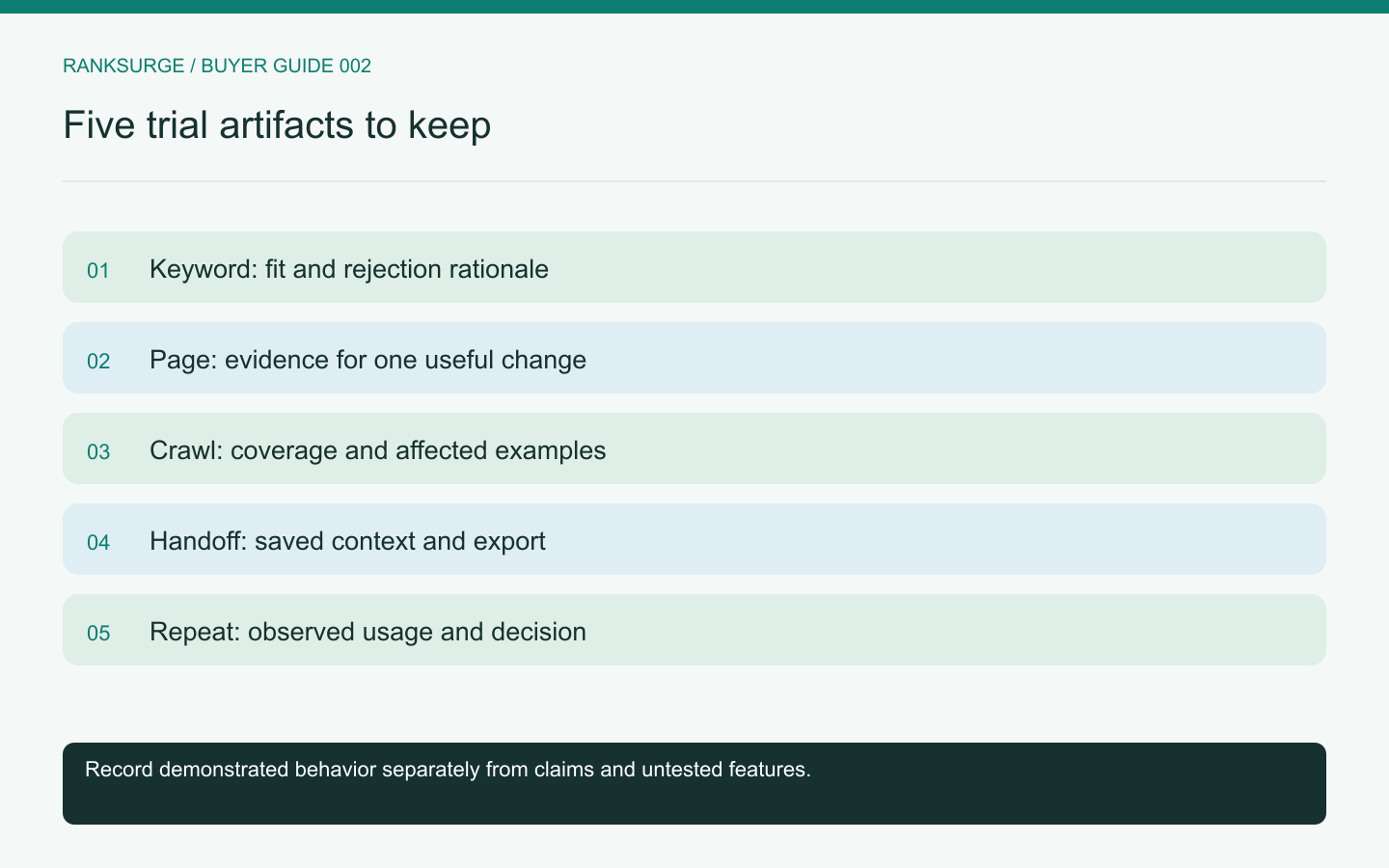
Run five concrete SEO trial tasks and record evidence, missing capabilities and cancellation terms before choosing a paid tool.
Read post
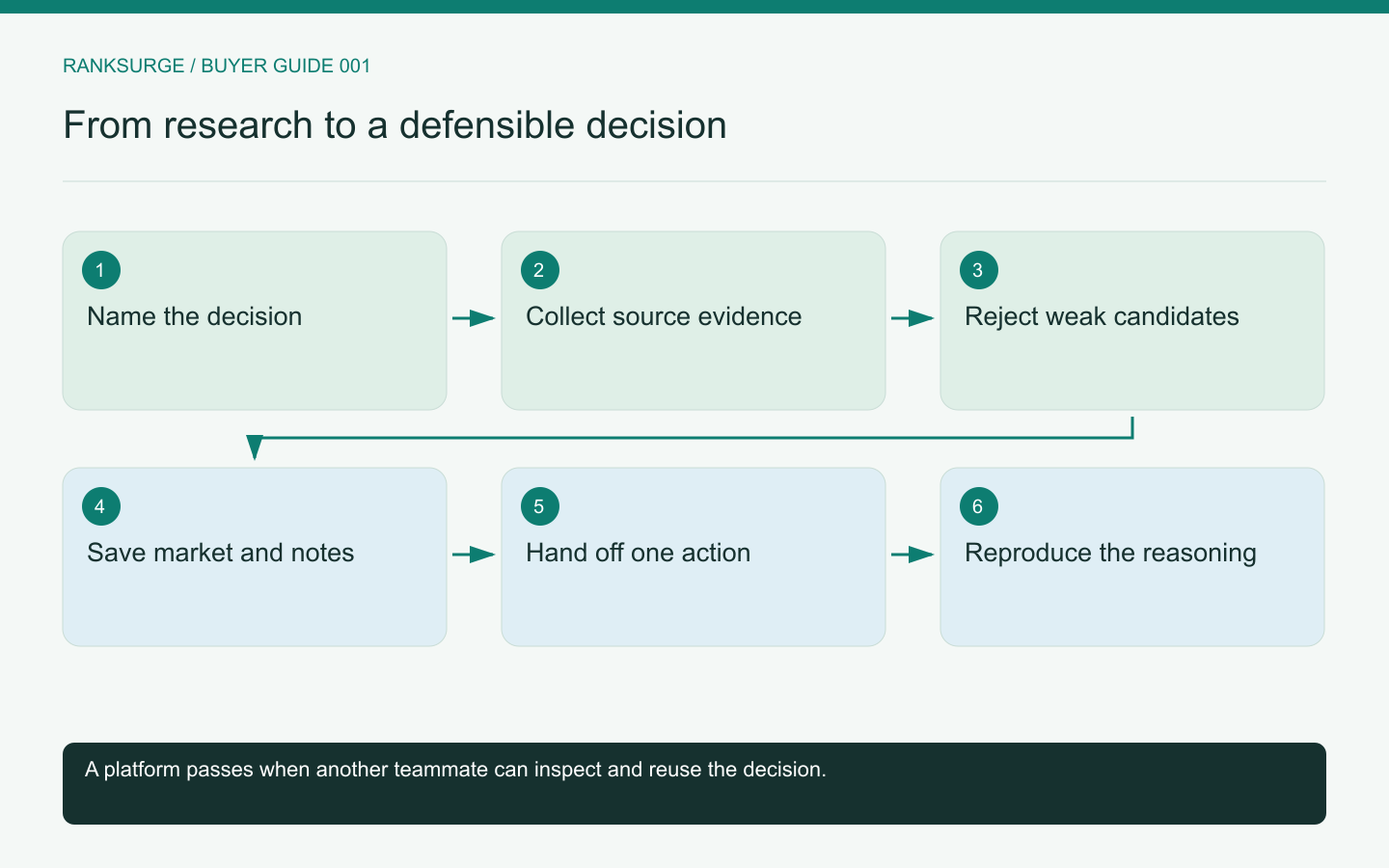
Evaluate an SEO research platform through a real decision, an evidence trail and a repeatable handoff instead of comparing dashboard counts.
Read post
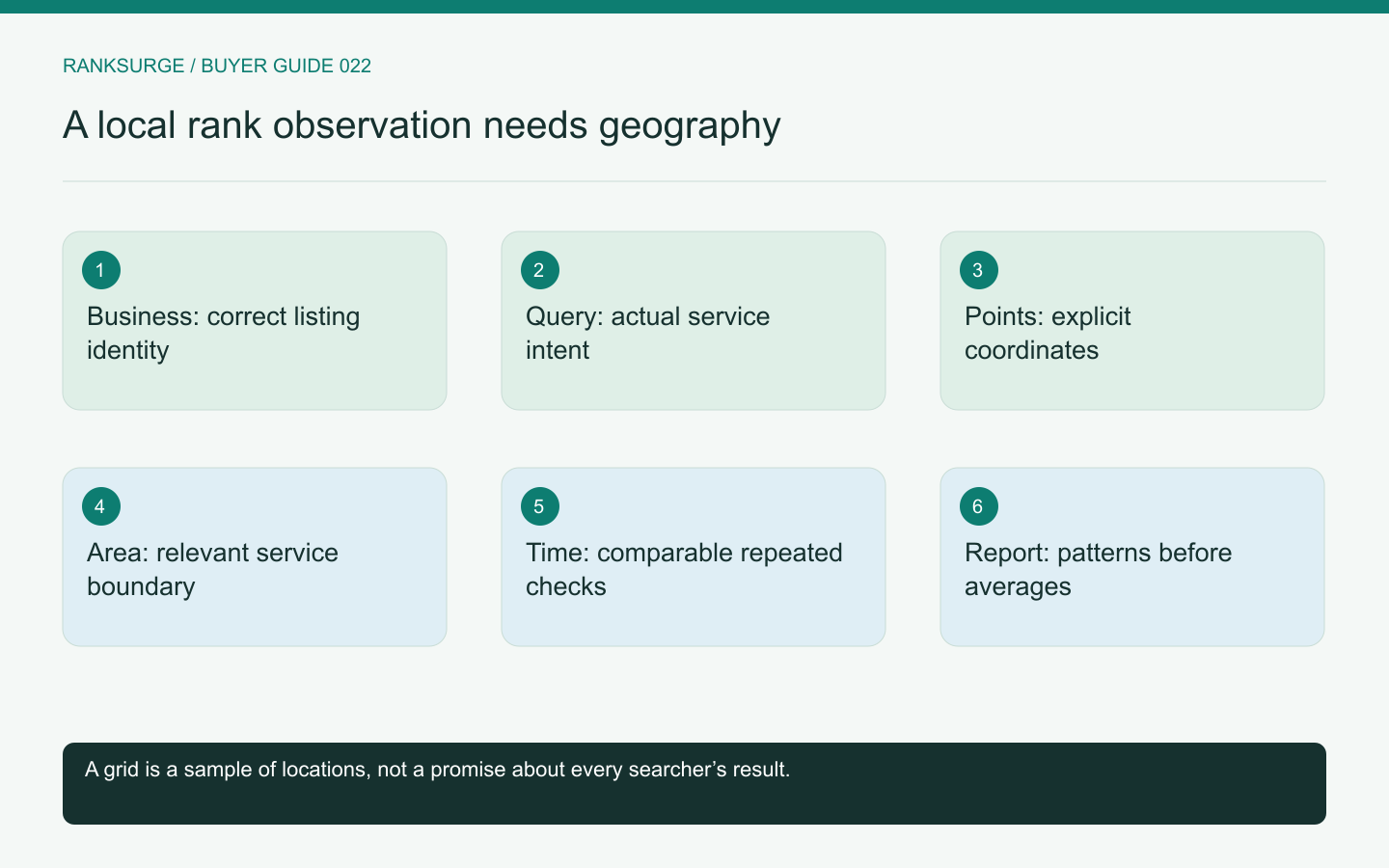
Evaluate local rank trackers with explicit coordinates, search terms and service-area questions instead of treating one city-wide position as universal.
Read post
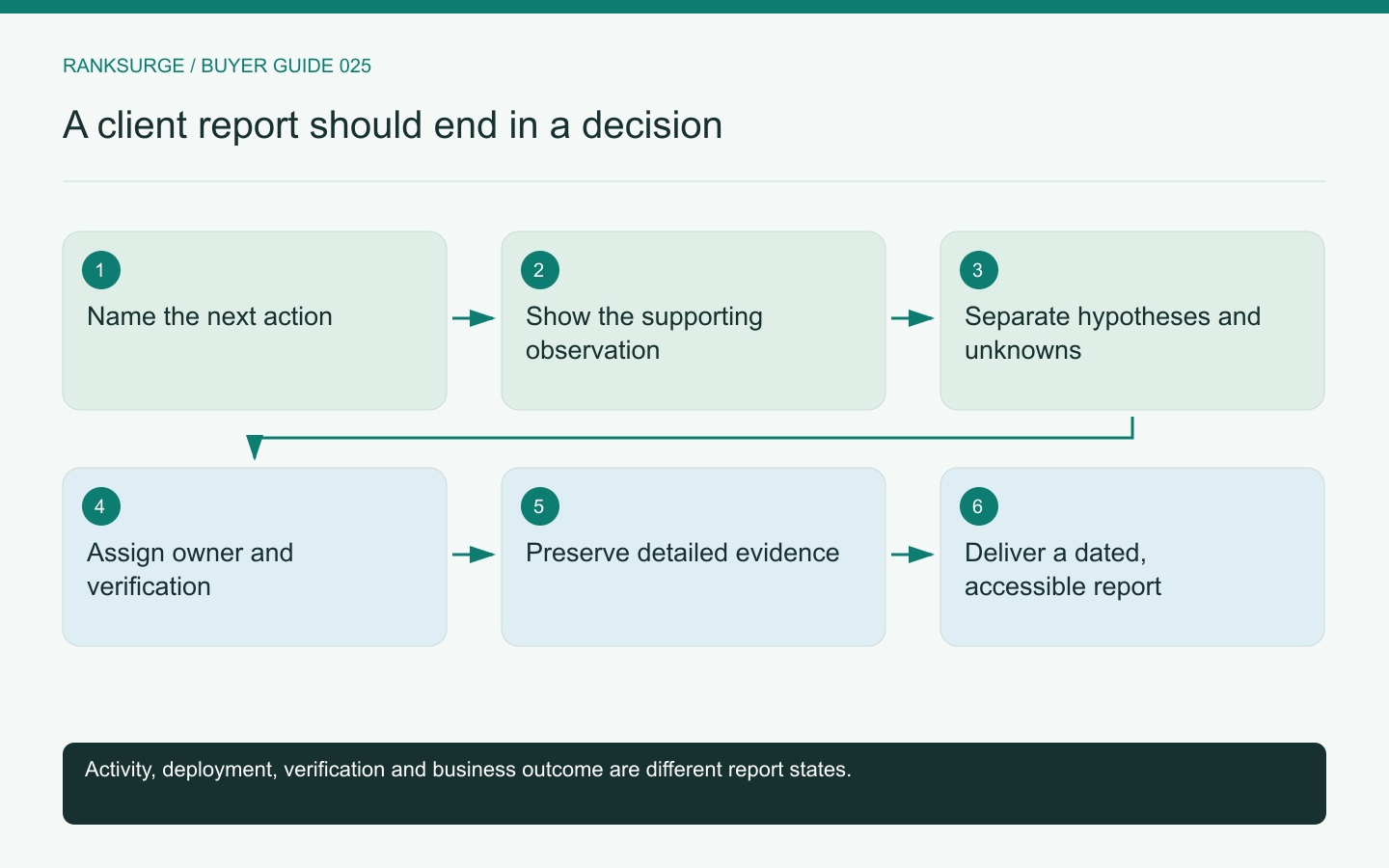
Choose SEO reporting software by testing whether a client can understand the next decision, inspect the evidence and distinguish progress from unfinished work.
Read post
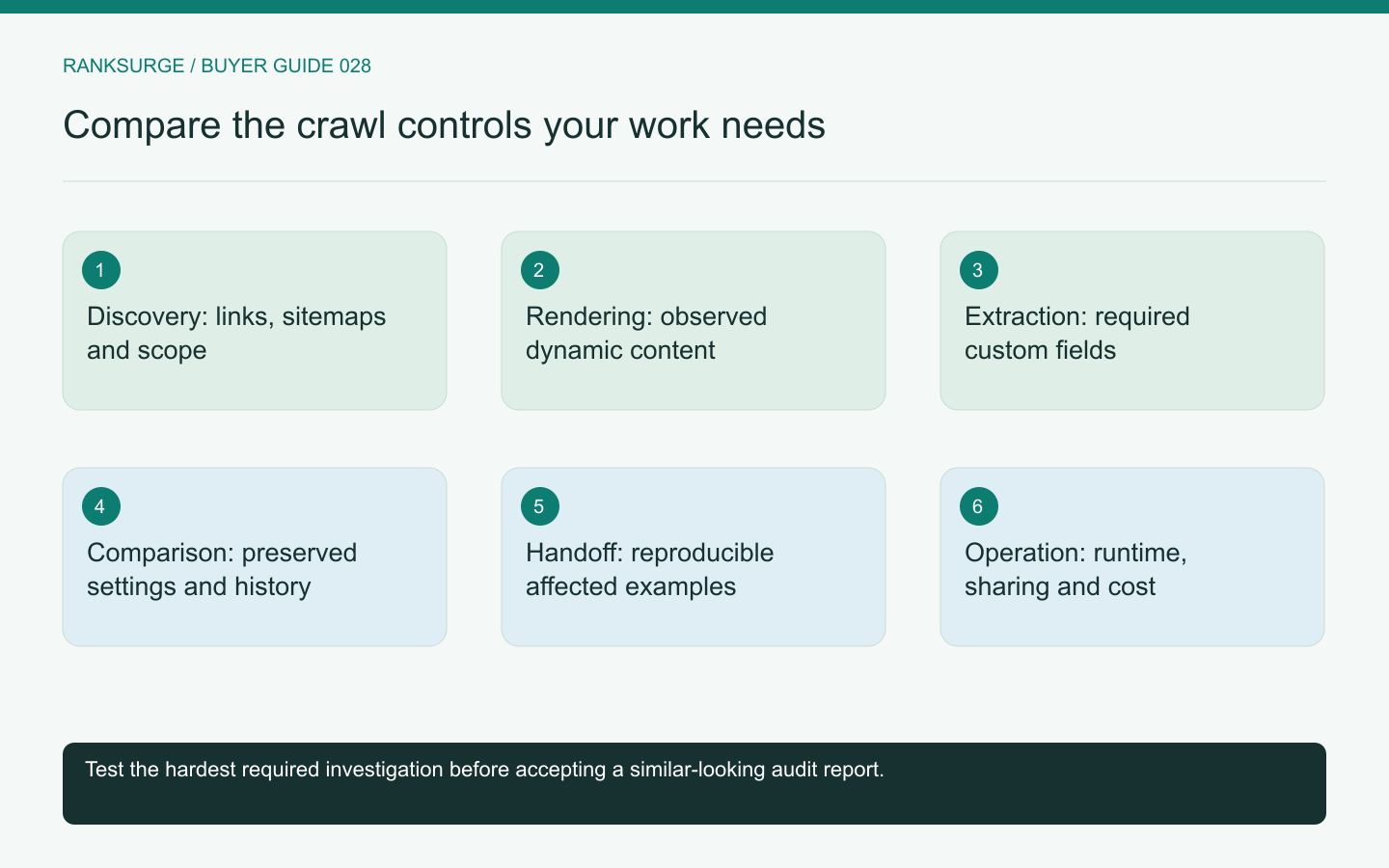
Compare Screaming Frog alternatives by testing crawl controls, rendering, extraction and the investigation work your team must complete.
Read post
Open source SEO tools in 2026: RankSurge, SerpBear, SEONaut, LibreCrawl, and SEOMachine — what each one does, what it costs to run, and how to self-host.
Read post
Google shows you the clicks but hides the questions behind them. Here's how to triangulate the searches you can't see using data you already have.
Read post
Treat Claude Code like an SEO expert with infinite patience: ask every question, give it every idea, and control it so it serves your marketing strategy.
Read post
Use Vellum and OpenSEO for keyword research, competitor analysis, live search results, and rank tracking in your content workflow.
Read post
A founder-focused handbook to SEO for startups: how to use search for market research, early rankings, and smarter growth without wasting time.
Read post
Getting recommended by an LLM is two separate problems on different clocks. One of them you cannot move this quarter. The other is a finite list of pages you can edit this week.
Read post
A decade of indie SEO tools died against a price comparison they could not win. The thing that finally opened the market was not a cheaper tool, it was the collapse of the twenty hours a week it took to use one.
Read post
Search intent has four buckets, and none of them tell you which customer you meant. Audit a keyword list by audience before you map it by temperature.
Read post